

- 09/05/2025
- Posted by: phucthien
- Categories: Base Materials & Construction, Blog, Women’s Toppers
4 Tips for Choosing the Right Human Hair Topper Density
Choosing the right topper density is essential for a natural, comfortable, and confidence-boosting hair enhancement experience. At Phucthien, we understand the nuances of selecting the perfect density to match your hair and desired style, providing a seamless blend that elevates your look.
Understanding Topper Density: A Foundation for Flawless Hair
Topper density refers to the amount of hair attached to the base of the hair topper. Understanding density is the first step toward finding the perfect match for your hair and personal style.

Four Key Tips for Choosing the Right Topper Density
Selecting the appropriate density is a personal process. Phucthien Toupee provides expert tips to guide you.
- Tip 1: Match Your Natural Hair Density: The golden rule of selecting a hair topper is to match its density to your natural hair.
- Tip 2: Consider Your Desired Hairstyle: The hairstyle you want to achieve should influence your density choice. Different densities lend themselves to different styles.
- Tip 3: Assess Your Level of Hair Loss: The extent of your hair loss is a significant factor in determining the appropriate density. The more hair loss you have, the more coverage you’ll need from your topper. Moderate Hair Loss: For more noticeable hair loss, a medium-light to medium density topper will provide better coverage.
- Tip 4: Consider Your Lifestyle and Activities: Your lifestyle and daily activities can also influence your topper density choice. An active lifestyle might require a lighter, more manageable density, while a more formal lifestyle might call for a fuller, more polished look. Active Lifestyle: If you exercise regularly or spend a lot of time outdoors, a lighter density topper will be more comfortable and less likely to feel heavy or hot.

Navigating the Density Chart: A Visual Guide
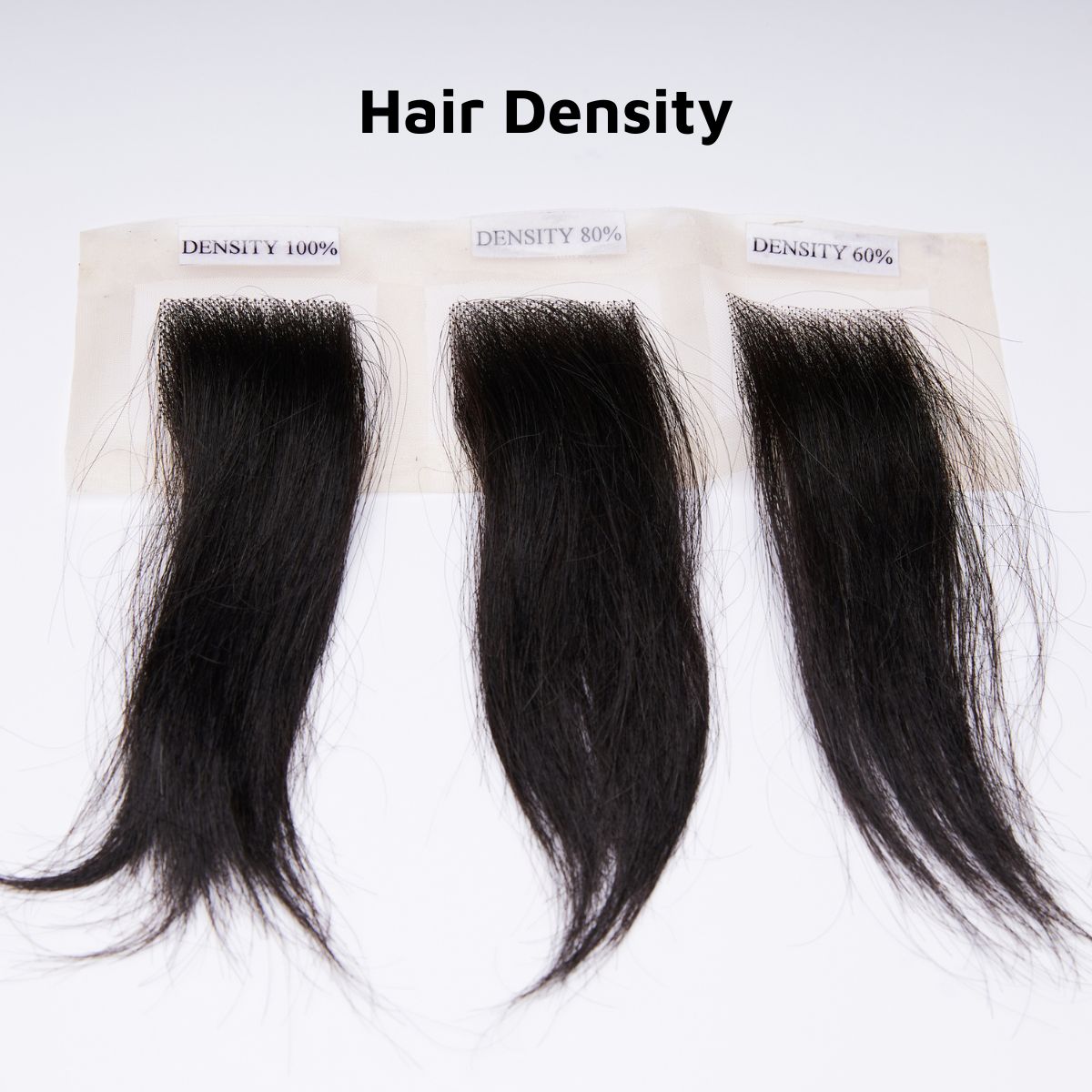
A topper density chart is a valuable tool for visualizing the different density levels and understanding how they translate to actual hair volume. A typical density chart displays a range of density levels, usually expressed as percentages. The chart helps you compare different densities and choose the one that best matches your desired look. Identify Your Natural Hair Density: Use the methods described earlier to determine your natural hair density. Compare to the Chart: Find the density level on the chart that most closely resembles your natural hair.

Addressing Specific Search Intents: Side Sleepers, Back Pain, and More
Now, let’s address some specific search intents related to topper density and how they impact your choice.
- Best Topper Density for Side Sleepers: Side sleepers often experience pressure points on their shoulders and hips. The right topper density can provide cushioning and alleviate discomfort.
- Topper Density Chart: As discussed earlier, a topper density chart is a visual guide that helps you understand the different density levels and how they translate to actual hair volume.
- What Density Topper Do I Need?: The answer to this question depends on your individual needs and preferences. Your Natural Hair Density: Match the topper density to your natural hair density for a seamless blend.
- Memory Foam Topper Density Guide: Memory foam toppers are popular for their comfort and pressure-relieving properties. Low Density (2-3 lbs/cubic foot): Softer and more conforming, suitable for those who prefer a plush feel. Sleeping Position: Side sleepers may prefer a lower density topper for pressure relief, while back and stomach sleepers may prefer a higher density topper for support.
- Best Density Mattress Topper for Back Pain: Back pain sufferers often benefit from a supportive mattress topper that provides pressure relief. High Density Memory Foam: Provides firm support and helps align the spine.

Understanding Topper Density: A Foundation for Flawless Hair
| Density Level | Description | Best For |
| Extra Light (60-80%) | Very sparse, minimal hair; Primarily used for thinning hairlines or adding a touch of volume at the front. | Those with extremely fine hair, slight thinning, or wanting a very subtle addition. |
| Light (90-100%) | Similar to natural, fine hair density; Suitable for early stages of hair loss or adding slight volume. | Individuals with fine, thin hair or those experiencing mild hair thinning. |
| Medium Light (110-120%) | A popular choice that provides a natural look with a bit more volume; Versatile for various hairstyles. | Individuals with moderately thin hair or those wanting a natural-looking volume boost. |
| Medium (130-140%) | Offers significant volume and fullness; Suitable for those with medium to thick hair or those wanting a more dramatic look. | Individuals with medium to thick hair or those desiring a more voluminous hairstyle. |
| Medium Heavy (150-160%) | Creates a very full and voluminous appearance; Best suited for those with thick hair or those wanting a very bold style. | Individuals with thick hair or those seeking a dramatic, voluminous look. |
| Heavy (180%+) | Extremely dense and voluminous; Typically used for theatrical purposes or very specific styles; Can appear unnatural for everyday wear if not carefully chosen and blended. | Primarily for theatrical use or those seeking an extremely bold and voluminous style; Requires careful blending for a natural appearance. |