

- 11/05/2025
- Posted by: phucthien
- Category: Blog

Experiencing hair loss can be challenging, but with the right knowledge and solutions, you can regain your confidence and style. Alopecia types and hairpieces offer a path to renewed self-assurance. At Phucthientoupee, we’re dedicated to helping you understand your options and find the perfect hairpiece solution. We understand that dealing with hair loss can be difficult, so we are here to provide you with clear, compassionate advice and effective hair replacement solutions. Together, we can explore options like hair systems, cranial prosthesis, and hair integration systems.
Let’s explore the different types of alopecia and the most suitable hairpieces to address them, helping you make an informed choice for a confident you.

Understanding Alopecia Types and Hairpieces
Alopecia is a broad term for hair loss, and it manifests in various forms. Understanding the specific type of alopecia you’re experiencing is crucial for selecting the most effective hairpiece. Here’s a detailed look at six common types of alopecia and the hairpiece options that can help.
1. Alopecia Areata: Patchy Hair Loss, Personalized Solutions
Alopecia areata is an autoimmune condition that causes patchy hair loss on the scalp and body. The hair follicles are attacked by the body’s immune system, leading to sudden hair loss that can be distressing.
- Causes: Genetic predisposition, immune system dysfunction, stress.
- Symptoms: Small, round or oval bald patches, hair thinning, nail changes (in some cases).
- Prevalence: Affects about 2% of the population at some point in their lives.
Hairpiece Solutions for Alopecia Areata:
- Full Wigs: If hair loss is extensive, a full wig provides complete coverage. Choose a wig made from human hair or high-quality synthetic fibers for a natural look.
- Toppers/Hairpieces: For smaller patches, a topper or hairpiece can be attached to existing hair to blend seamlessly with the natural hairline.
- Custom Cranial Prosthesis: Designed specifically for medical hair loss, these prostheses provide a secure and comfortable fit.
- Material Selection: Opt for breathable cap constructions like monofilament or lace fronts for comfort, especially if the scalp is sensitive.
Example: Sarah, a 35-year-old woman, experienced patchy hair loss due to alopecia areata. A custom human hair wig was designed for her, perfectly matching her natural hair color and style. This gave her the confidence to attend social events and continue her professional life without feeling self-conscious.
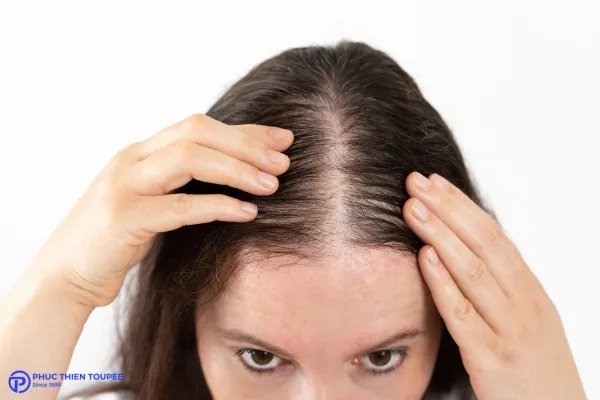
Your guide to options: Discover effective Hairpieces for Alopecia and get answers from Alopecia Hairpieces FAQs
2. Androgenetic Alopecia: Male and Female Pattern Baldness
Androgenetic alopecia, also known as male or female pattern baldness, is a genetic condition that causes gradual hair thinning, typically starting at the temples and crown in men and a widening part in women.
- Causes: Genetic predisposition, hormonal imbalances (dihydrotestosterone or DHT), aging.
- Symptoms: Gradual thinning of hair, receding hairline (men), widening part (women).
- Prevalence: Affects up to 50% of men and 25% of women by age 50.
Hairpiece Solutions for Androgenetic Alopecia:
- Hair Systems: Lightweight and natural-looking, hair systems are bonded to the scalp for a semi-permanent solution.
- Integration Pieces: These pieces integrate with existing hair to add volume and thickness.
- Wigs for Advanced Cases: In advanced cases, full wigs may be the best option.
- Density Considerations: Choose hairpieces with a density that matches your natural hair to avoid an unnatural look.
Example: John, a 50-year-old man, experienced significant hair loss due to androgenetic alopecia. He opted for a custom hair system that was designed to blend seamlessly with his remaining hair. The system was undetectable and allowed him to maintain a youthful appearance.
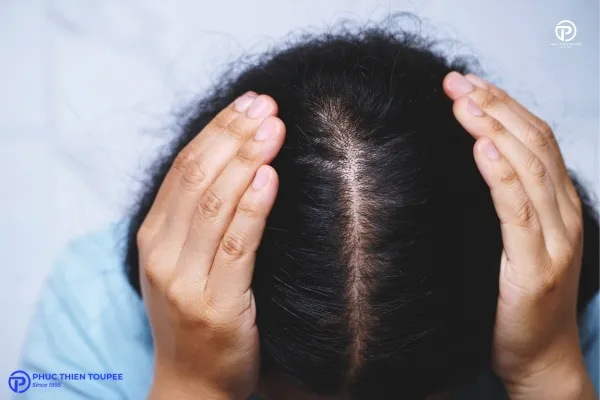
3. Alopecia Totalis: Complete Scalp Hair Loss, Full Coverage Options
Alopecia totalis is a more advanced form of alopecia areata that results in complete hair loss on the scalp.
- Causes: Autoimmune condition, similar to alopecia areata, but more severe.
- Symptoms: Complete loss of hair on the scalp.
- Prevalence: Less common than alopecia areata, affecting a smaller percentage of the population.
Hairpiece Solutions for Alopecia Totalis:
- Full Cranial Prosthesis: A custom-designed wig that fits securely and comfortably on the entire scalp.
- Vacuum Wigs: These wigs create a suction effect for a secure fit without adhesives.
- Silicone Grips: Wigs with silicone grips can provide extra security.
- Cap Construction: Soft, breathable cap materials like bamboo or cotton can prevent irritation.
Example: Emily, a 28-year-old woman, developed alopecia totalis and felt self-conscious about her appearance. A custom cranial prosthesis made from human hair was created for her, allowing her to style her hair in various ways and regain her confidence.

4. Alopecia Universalis: Total Body Hair Loss, Specialized Wigs
Alopecia universalis is the most severe form of alopecia areata, resulting in complete hair loss all over the body, including the scalp, eyebrows, eyelashes, and body hair.
- Causes: Autoimmune condition, the most severe form of alopecia areata.
- Symptoms: Complete loss of hair on the scalp, face, and body.
- Prevalence: Rare, affecting a very small percentage of the population.
Hairpiece Solutions for Alopecia Universalis:
- Custom Wigs with Eyebrows and Eyelashes: These wigs are designed to provide complete coverage, including realistic-looking eyebrows and eyelashes.
- Full Body Hair Systems: For those who wish to replace body hair, custom systems can be created.
- Sensitive Skin Materials: Choose hypoallergenic materials to avoid skin irritation.
- Versatile Styling: Opt for wigs that can be styled in various ways to suit different occasions.
Example: Michael, a 40-year-old man, experienced complete hair loss due to alopecia universalis. A custom wig with eyebrows and eyelashes was designed for him, allowing him to feel more like himself and improve his overall self-esteem.
✂️ Be unique — create your custom-made toupee today!
5. Traction Alopecia: Hair Loss from Tight Hairstyles, Prevention and Coverage
Traction alopecia is hair loss caused by repetitive pulling or tension on the hair follicles, often due to tight hairstyles such as braids, weaves, and tight ponytails.
- Causes: Tight hairstyles, excessive use of hair extensions, chemical treatments.
- Symptoms: Hairline recession, thinning around the temples and nape of the neck, small bumps on the scalp.
- Prevalence: Common among individuals who frequently wear tight hairstyles.
Hairpiece Solutions for Traction Alopecia:
- Frontals and Closures: These pieces cover the hairline and blend with natural hair to conceal thinning.
- Wigs with Lace Fronts: Lace fronts provide a natural-looking hairline.
- Protective Styles: Encourage the use of loose, protective hairstyles to prevent further damage.
- Lightweight Hairpieces: Choose lightweight options to avoid adding extra tension to the hair follicles.
Example: Lisa, a 25-year-old woman, experienced hair loss due to wearing tight braids. A lace front wig allowed her to protect her natural hair while still maintaining her desired look. She also adopted looser hairstyles to prevent further damage.
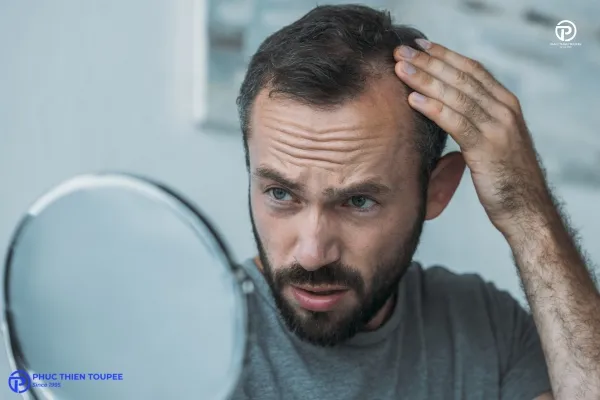
6. Telogen Effluvium: Temporary Hair Shedding, Volume-Boosting Solutions
Telogen effluvium is a temporary form of hair loss that occurs when a large number of hair follicles enter the telogen (resting) phase of the hair growth cycle, resulting in increased shedding.
- Causes: Stress, illness, pregnancy, medication, nutritional deficiencies.
- Symptoms: Excessive hair shedding, overall thinning of hair.
- Prevalence: Common, affecting many individuals at some point in their lives.
Hairpiece Solutions for Telogen Effluvium:
- Volumizers/Hair Extensions: These pieces add volume and thickness to thinning hair.
- Clip-In Hairpieces: Temporary clip-in pieces can provide a quick boost of volume.
- Scalp Concealers: Products that add color to the scalp to reduce the appearance of thinning hair.
- Gentle Application: Choose hairpieces that are easy to apply and remove without causing additional stress to the hair follicles.
Example: Maria, a 32-year-old woman, experienced hair shedding after childbirth due to telogen effluvium. Clip-in hair extensions helped her add volume and maintain her usual hairstyle until her natural hair growth recovered.
🔍 Looking for a specific size, base, or hair color? Order a fully personalized toupee now!
Choosing the Right Hairpiece: Key Considerations
Selecting the right hairpiece involves several factors. Here’s a guide to help you make an informed decision:
- Material:
- Human Hair: Offers the most natural look and feel, can be styled and colored.
- Synthetic Hair: More affordable, easy to maintain, but may not look as natural as human hair.
- Heat-Resistant Synthetic Hair: Can be styled with heat tools, offering more versatility.
- Cap Construction:
- Monofilament: Allows for natural hair movement and scalp visibility.
- Lace Front: Creates a natural-looking hairline.
- Full Lace: Allows for versatile styling, including updos.
- Wefted: Traditional wig construction, more affordable but less natural-looking.
- Attachment Method:
- Clips: Easy to attach and remove, ideal for temporary solutions.
- Tape/Adhesive: Provides a more secure hold, suitable for longer wear.
- Integration: Blends with existing hair for a seamless look.
- Color and Style:
- Match Your Natural Hair: Choose a color and style that closely matches your natural hair for a seamless blend.
- Consider Your Skin Tone: Opt for colors that complement your skin tone.
- Experiment with Styles: Try different styles to find what suits you best.
- Comfort:
- Breathable Materials: Choose breathable cap materials to prevent scalp irritation.
- Adjustable Straps: Ensure a secure and comfortable fit.
- Lightweight: Opt for lightweight hairpieces to avoid discomfort.

Cost of Hairpieces for Various Alopecia Types in the US
The cost of hairpieces can vary widely depending on the type of hair (human or synthetic), cap construction, customization, and brand. Here’s a general price range to consider:
| Hairpiece Type | Material | Average Price Range (USD) |
| Toppers/Hairpieces | Synthetic | 80 – 300 |
| Human Hair | 200 – 800 | |
| Full Wigs | Synthetic | 150 – 500 |
| Human Hair | 500 – 3000+ | |
| Hair Systems | Synthetic Blend | 300 – 800 |
| Human Hair | 800 – 2500+ | |
| Custom Cranial Prosthesis | Human Hair | 1500 – 5000+ |
| Frontals/Closures | Synthetic | 50 – 200 |
| Human Hair | 150 – 500 | |
| Clip-In Hair Extensions | Synthetic | 30 – 150 |
| Human Hair | 100 – 400 | |
| Scalp Concealers | Various | 20 – 50 |
Factors Influencing Cost:
- Hair Quality: Human hair is generally more expensive than synthetic hair.
- Customization: Custom-designed hairpieces are more expensive than off-the-shelf options.
- Cap Construction: Monofilament and lace front caps are more expensive due to their natural appearance and comfort.
- Brand: Well-known brands may charge more for their products.
- Maintenance: Consider the cost of maintenance products and professional styling.
✨ A toupee shouldn’t just hide hair loss — make it a style statement!
Finding the Right Hairpiece for Different Alopecia Types
Here’s a detailed, step-by-step guide to help you find the perfect hairpiece for your specific type of alopecia:
Step 1: Identify Your Alopecia Type
- Consult with a dermatologist to get an accurate diagnosis.
- Understand the specific characteristics of your alopecia type (e.g., patchy hair loss, complete hair loss, thinning).
Step 2: Determine Your Coverage Needs
- Assess the extent of your hair loss.
- Decide whether you need a full wig, topper, hair system, or other type of hairpiece.
Step 3: Choose the Right Material
- Consider the pros and cons of human hair vs. synthetic hair.
- Think about your lifestyle and maintenance preferences.
Step 4: Select the Appropriate Cap Construction
- Evaluate the different cap construction options (monofilament, lace front, full lace, wefted).
- Prioritize comfort and natural appearance.
Step 5: Consider Attachment Methods
- Decide whether you prefer clips, tape, adhesive, or integration.
- Think about how secure you need the hairpiece to be.
Step 6: Match Color and Style
- Find a color that closely matches your natural hair.
- Choose a style that complements your face shape and personal style.
Step 7: Ensure a Comfortable Fit
- Try on the hairpiece to check for comfort and fit.
- Make sure the cap is breathable and adjustable.
Step 8: Seek Professional Advice
- Consult with a hairpiece specialist or stylist for personalized recommendations.
- Get help with fitting, styling, and maintenance.
Step 9: Care and Maintenance
- Follow the manufacturer’s instructions for cleaning and storing your hairpiece.
- Use appropriate hair care products to maintain its appearance.
- Schedule regular maintenance appointments with a professional stylist.
Step 10: Embrace Your New Look
- Wear your hairpiece with confidence.
- Experiment with different styles to find what makes you feel best.
- Remember that hairpieces are a valuable tool for enhancing your appearance and self-esteem.
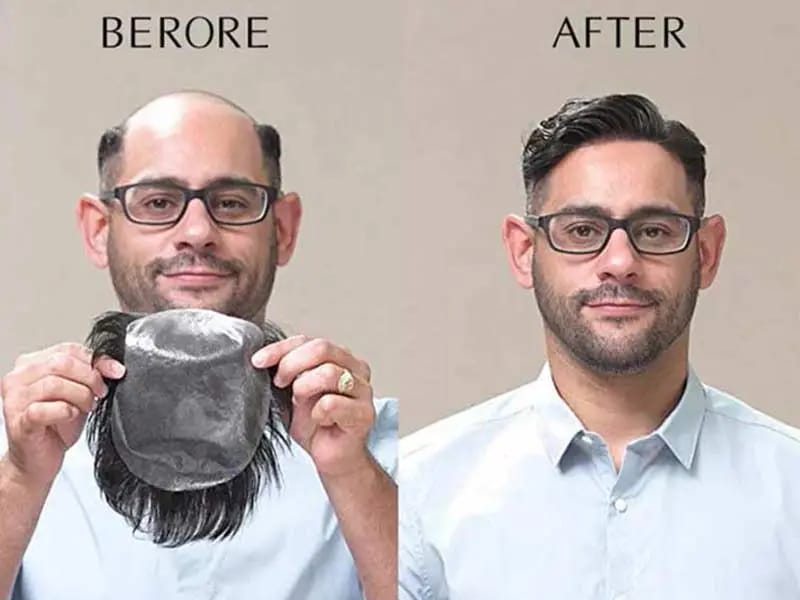
The Benefits of Hairpieces for Alopecia
Hairpieces offer numerous benefits for individuals with alopecia:
- Improved Appearance: Hairpieces can restore a natural-looking hairline and add volume to thinning hair, enhancing your overall appearance.
- Increased Confidence: By addressing hair loss, hairpieces can significantly boost self-esteem and confidence.
- Versatile Styling Options: Hairpieces allow you to experiment with different styles, colors, and lengths without damaging your natural hair.
- Non-Surgical Solution: Hairpieces provide a non-invasive alternative to surgical hair restoration procedures.
- Protection for Natural Hair: Hairpieces can protect your natural hair from environmental damage and styling stress.
- Customizable Solutions: Hairpieces can be customized to meet your specific needs and preferences.
💡 Save money — get expert repair service instead of buying a new one
Finding Support and Resources
Living with alopecia can be challenging, but you’re not alone. Here are some valuable resources and support networks:
- National Alopecia Areata Foundation (NAAF): Provides information, support, and advocacy for individuals with alopecia areata.
- American Academy of Dermatology (AAD): Offers resources on various types of hair loss and treatment options.
- Support Groups: Joining a support group can provide a sense of community and understanding.
- Online Forums: Online forums and communities offer a platform to connect with others who have alopecia.
- Mental Health Professionals: Seeking therapy or counseling can help you cope with the emotional impact of hair loss.
Beyond the diagnosis: Understand Alopecia Hairpiece Pros & Cons and how they can boost Alopecia and Confidence
Phucthientoupee: Your Partner in Hair Loss Solutions
At Phucthientoupee, we understand the impact that hair loss can have on your life. We are committed to providing high-quality hairpieces and personalized solutions to help you regain your confidence and feel your best.
Our Services:
- Consultations: We offer personalized consultations to assess your hair loss and recommend the most suitable hairpiece options.
- Custom Designs: We can create custom hairpieces tailored to your specific needs and preferences.
- Fitting and Styling: Our expert stylists will ensure a comfortable and natural-looking fit.
- Maintenance and Care: We provide ongoing support and maintenance services to keep your hairpiece looking its best.
Why Choose Phucthientoupee?
- Expertise: We have years of experience in the hairpiece industry.
- Quality Products: We use only the highest quality materials.
- Personalized Service: We provide individualized attention to each of our clients.
- Compassionate Care: We understand the emotional impact of hair loss and are here to support you.
Take the First Step Today
If you’re ready to explore hairpiece solutions for alopecia, contact Phucthientoupee today. We’re here to help you find the perfect hairpiece to enhance your appearance and boost your confidence. Let us guide you on your journey to renewed self-assurance. We want you to feel supported every step of the way, as you discover how our hair replacement solutions can transform your life. We are more than just a provider of hairpieces, we are your partners in restoring confidence and style.
Let’s work together to find the perfect solution for you!
Phuc Thien Toupee Co., Ltd
Design Brand: Royal Hair Vietnam
Office Address:
🏢 Room A909, Decapella Building, 116 Luong Dinh Cua Street, An Khanh Ward, Thu Duc City, Ho Chi Minh City 700000, Vietnam
Factory Address:
🏭 No. 26/9, Street 57, Thuong Hamlet, Tan Thong Hoi Ward, Cu Chi District, Ho Chi Minh City 700000, Vietnam
Email: ✉️ phucthientoupeevn@gmail.com
Phone / WhatsApp: 📞 +84 933 901 196
Websites: 🌐 phucthientoupee.com – 🌐 royalhair.shop



