

- 18/05/2025
- Posted by: phucthien
- Category: Blog
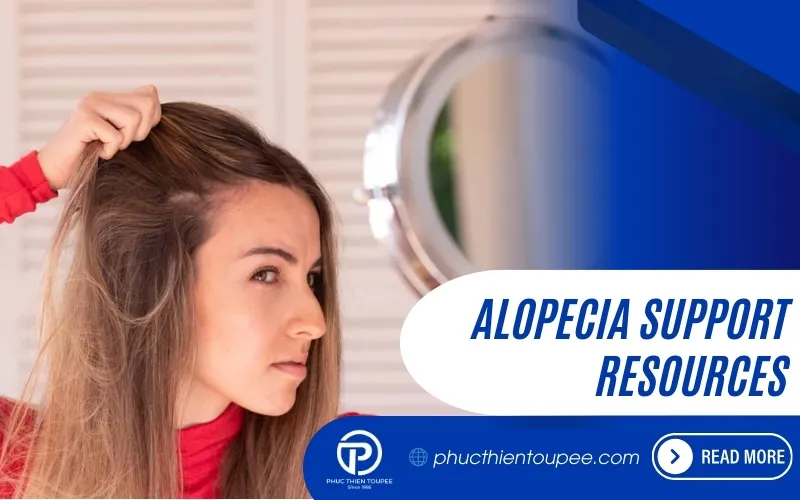
Alopecia Support Resources are essential for individuals navigating hair loss, providing not just solutions like hairpieces, but also vital emotional and practical assistance. Whether you’re exploring treatment options, seeking peer support, or researching financial aid, understanding the available resources can empower you on your journey. Hair loss solutions, coping mechanisms, community support
Understanding Alopecia and Its Impact
Alopecia is a broad term for hair loss, encompassing various conditions with different causes and patterns. It’s more than just a cosmetic concern; it can profoundly affect self-esteem, mental health, and overall quality of life.
What is Alopecia?
Alopecia refers to hair loss, and it can manifest in many forms:
- Alopecia Areata: An autoimmune condition causing patchy hair loss on the scalp, face, or body.
- Alopecia Totalis: Complete hair loss on the scalp.
- Alopecia Universalis: Complete hair loss of all body hair.
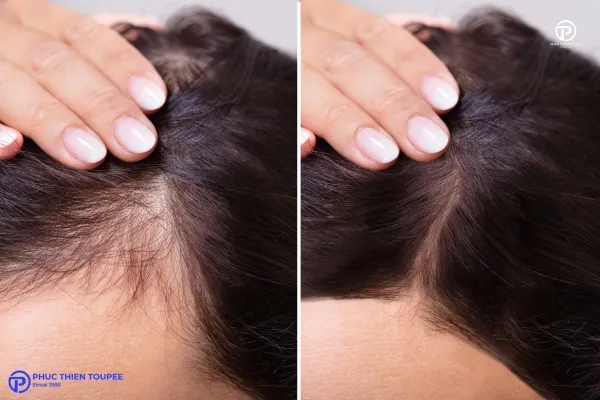
- Androgenetic Alopecia: Also known as male or female pattern baldness, a genetic condition that causes gradual hair thinning.
- Cicatricial Alopecia (Scarring Alopecia): A group of rare disorders that destroy hair follicles and cause permanent hair loss.
- Telogen Effluvium: Temporary hair shedding, often triggered by stress, illness, or medication.
🎨 Your style, your hair — we make it exactly how you want.
The Emotional and Psychological Effects
Hair loss can have a significant psychological impact, leading to feelings of:
- Anxiety
- Depression
- Low self-esteem
- Social isolation
- Body image concerns
According to the National Alopecia Areata Foundation (NAAF), individuals with alopecia areata are more likely to experience anxiety and depression compared to the general population. A study published in the Journal of the American Academy of Dermatology found that 40% of people with alopecia areata reported symptoms of anxiety or depression.

Find your community: Navigate Alopecia Emotional Impact and boost Alopecia and Confidence with support
Finding the Right Hairpiece
For many, a hairpiece offers a practical and immediate solution to restore their appearance and confidence. Phucthien Toupee specializes in providing high-quality, natural-looking hairpieces tailored to your individual needs.
Types of Hairpieces
- Wigs: Full head coverings available in various materials, styles, and colors.
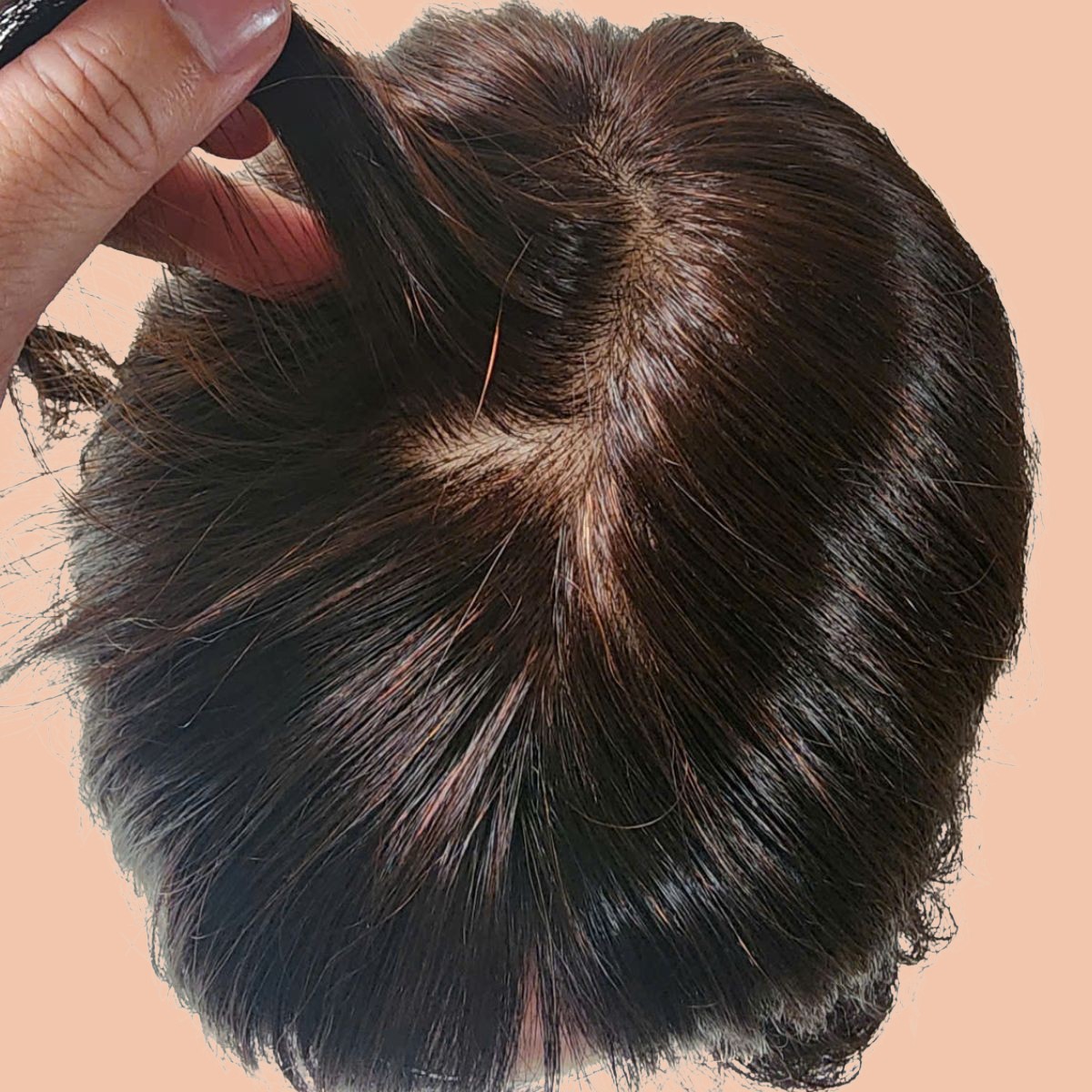
- Toppers: Smaller hairpieces that cover the crown or top of the head, blending with existing hair.
- Frontals and Closures: Hairpieces that cover the hairline or parting, creating a natural-looking finish.
- Extensions: Strands of hair that can be added to existing hair for length or volume.
Choosing the Right Hairpiece for You
Consider these factors when selecting a hairpiece:
- Material: Human hair offers the most natural look and feel, while synthetic hair is more affordable and easier to maintain.
- Base Construction: Lace, monofilament, and skin bases provide different levels of breathability and naturalness.
- Color and Style: Match your natural hair color and choose a style that complements your facial features.
- Attachment Method: Options include clips, tape, glue, or integration with existing hair.
Support Groups: Finding Community and Understanding
Connecting with others who understand what you’re going through can be incredibly empowering. Support groups provide a safe and supportive environment to share experiences, learn coping strategies, and build friendships.
Benefits of Joining a Support Group
- Emotional support and validation
- Reduced feelings of isolation
- Practical tips and advice from others
- Increased self-esteem and confidence
- A sense of community
Finding a Support Group Near You
- National Alopecia Areata Foundation (NAAF): NAAF offers a directory of support groups across the United States and online.
- Local Hospitals and Clinics: Many hospitals and dermatology clinics host or sponsor support groups for patients with alopecia.
- Online Forums and Communities: Online forums and social media groups can provide a sense of community and access to information.
NAAF Support Group Example
A local NAAF support group in California meets monthly. Members share their experiences, discuss treatment options, and invite guest speakers, such as dermatologists and wig stylists. The group has become a lifeline for many members, providing a sense of belonging and understanding.
Alopecia Support Websites
Numerous websites offer valuable information, resources, and support for individuals with alopecia.
Key Websites and Their Offerings
| Website | Focus | Resources |
| National Alopecia Areata Foundation (NAAF) | Alopecia areata research, advocacy, and support | Support groups, treatment information, research updates, advocacy efforts |
| American Academy of Dermatology (AAD) | General dermatology information, including alopecia | Information on different types of alopecia, treatment options, finding a dermatologist |
| Locks of Love | Provides hair prosthetics to financially disadvantaged children with hair loss | Application information, donation guidelines, stories of recipients |
| Children’s Alopecia Project | Supports children with all forms of alopecia | Support groups, resources for families, educational materials |
| Alopecia UK | UK-based alopecia support and information | Support groups, information on treatments, awareness campaigns |
| Canadian Alopecia Areata Foundation | Canada-based alopecia support and information | Support groups, information on treatments, awareness campaigns |
👜 A quick beauty solution for any occasion — find your ready-to-wear hair topper here.
Tips for Evaluating Online Information
- Check the Source: Look for reputable organizations and medical professionals.
- Be Wary of Miracle Cures: There is no guaranteed cure for alopecia areata. Be skeptical of products or treatments that claim otherwise.
- Consult Your Doctor: Always discuss any new treatments or products with your healthcare provider.
Financial Assistance for Alopecia Treatment
The cost of hairpieces, treatments, and consultations can be significant. Several organizations offer financial assistance to individuals with alopecia.
Organizations Offering Financial Aid
- NAAF: Offers grants for alopecia areata research and support programs.
- Locks of Love: Provides free hair prosthetics to children with medical hair loss.
- EBeauty Community: Provides wigs and salon services to women undergoing cancer treatment or experiencing hair loss.
- Hair We Share: Accepts hair donations and provides wigs to individuals with medical hair loss.
Tips for Applying for Financial Assistance
- Research Eligibility Requirements: Understand the criteria for each program.
- Gather Documentation: Collect medical records, proof of income, and other required documents.
- Write a Compelling Application: Explain your situation and how the assistance would help you.
- Follow Up: Check the status of your application and be prepared to provide additional information.
👨🦱 Ready to wear and natural-looking — explore our men’s stock hairpieces today!
Alopecia Awareness Organizations
These organizations work to raise awareness about alopecia, advocate for research funding, and support individuals affected by the condition.
Key Organizations
- National Alopecia Areata Foundation (NAAF): Leading organization dedicated to alopecia areata research, advocacy, and support.
- Alopecia UK: UK-based organization raising awareness and providing support.
- Canadian Alopecia Areata Foundation: Canada-based organization raising awareness and providing support.
- Children’s Alopecia Project: Supports children with all forms of alopecia.
Getting Involved
- Donate: Support research and programs by donating to these organizations.
- Volunteer: Offer your time and skills to help with events and initiatives.
- Share Your Story: Raise awareness by sharing your experience with alopecia.
- Advocate: Contact your elected officials to support research funding and policies that benefit individuals with alopecia.
🌍 Have your own brand? Let us manufacture custom toupees under your label.
Finding the Best Alopecia Doctors
Working with a knowledgeable and compassionate dermatologist is crucial for managing alopecia and exploring treatment options.
What to Look for in a Doctor
- Board Certification: Ensures the doctor has met rigorous training and testing standards.
- Experience with Alopecia: Look for a doctor with experience treating various types of alopecia.
- Communication Skills: Choose a doctor who listens to your concerns and explains treatment options clearly.
- Compassion and Empathy: Find a doctor who understands the emotional impact of hair loss and treats you with respect.
Resources for Finding a Doctor
- American Academy of Dermatology (AAD): Use the AAD’s “Find a Dermatologist” tool to locate board-certified dermatologists in your area.
- NAAF: Offers a directory of dermatologists specializing in alopecia areata.
- Referrals: Ask your primary care physician or friends for recommendations.
- Online Reviews: Check online reviews to get insights into other patients’ experiences.
Treatment Options for Alopecia
While there is no cure for many forms of alopecia, several treatments can help stimulate hair growth or manage the condition.
Common Treatment Options
- Topical Corticosteroids: Reduce inflammation and promote hair growth in alopecia areata.
- Injected Corticosteroids: Similar to topical corticosteroids, but injected directly into the scalp.
- Minoxidil (Rogaine): Over-the-counter treatment that can stimulate hair growth.
- Anthralin: Topical cream that can irritate the skin and stimulate hair growth.
- Immunotherapy: Topical treatment that can stimulate hair growth in alopecia areata.
- JAK Inhibitors: Oral medications that can block the immune system’s attack on hair follicles.
- Hair Transplantation: Surgical procedure to transplant hair follicles from one area of the scalp to another.
The Importance of a Personalized Approach
Treatment options vary depending on the type of alopecia, the severity of hair loss, and individual factors. Work with your doctor to develop a personalized treatment plan that is right for you.
🔍 Looking for a specific size, base, or hair color? Order a fully personalized toupee now!
Conclusion: Embracing Hope and Support
Living with alopecia can be challenging, but you are not alone. With the right resources, support, and treatment, you can manage the condition and live a fulfilling life. Phucthien Toupee is committed to providing high-quality hairpieces and connecting you with the best support resources available.
Remember to:
- Seek Medical Advice: Consult with a dermatologist to determine the cause of your hair loss and explore treatment options.
- Join a Support Group: Connect with others who understand what you’re going through.
- Explore Hairpiece Options: Consider a hairpiece to restore your appearance and confidence.
- Stay Informed: Keep up-to-date on research and treatment advancements.
- Embrace Self-Care: Take care of your physical and emotional well-being.
Let Phucthien Toupee be your partner in navigating alopecia and finding the solutions and support you need.
Empower your journey: Discover insights for Living with Alopecia and practice vital Self-Care for Alopecia
Phuc Thien Toupee Co., Ltd
Design Brand: Royal Hair Vietnam
Office Address:
🏢 Room A909, Decapella Building, 116 Luong Dinh Cua Street, An Khanh Ward, Thu Duc City, Ho Chi Minh City 700000, Vietnam
Factory Address:
🏭 No. 26/9, Street 57, Thuong Hamlet, Tan Thong Hoi Ward, Cu Chi District, Ho Chi Minh City 700000, Vietnam
Email: ✉️ phucthientoupeevn@gmail.com
Phone / WhatsApp: 📞 +84 933 901 196
Websites: 🌐 phucthientoupee.com – 🌐 royalhair.shop



