

- 21/05/2025
- Posted by: phucthien
- Category: Blog
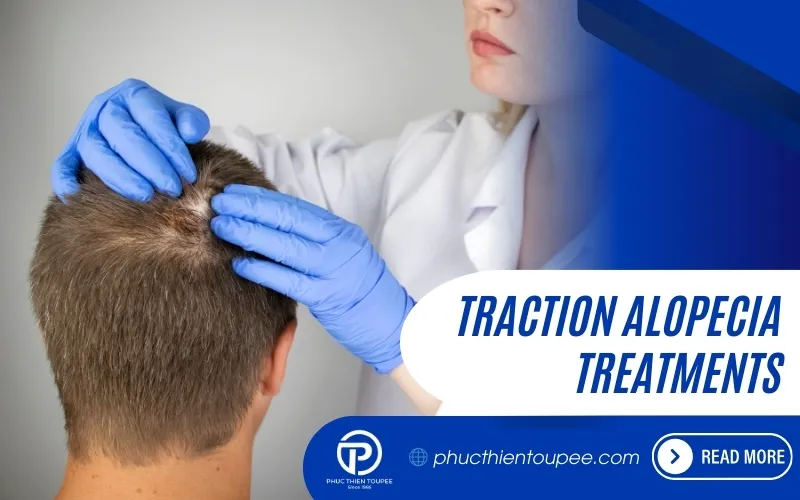
Traction Alopecia Treatments are readily available, offering effective solutions to regain your hair’s health and density. Discover a range of options, from advanced medical procedures to natural remedies, to address this condition and restore your confidence.
Embrace the opportunity to revitalize your hair and embrace a future with renewed hair growth and scalp vitality. We will explore effective hair loss solutions, hair regrowth strategies, and scalp health restoration, all under the guidance of expert trichologists.
Understanding Traction Alopecia: Causes & Prevention
Traction alopecia is a form of hair loss caused by repeated pulling on your hair follicles. It’s often seen in individuals who frequently wear tight hairstyles such as braids, weaves, tight ponytails, and cornrows. It’s preventable and treatable.
What Causes Traction Alopecia?
The primary cause is sustained tension on hair follicles. Here’s a more detailed breakdown:
- Tight Hairstyles: Braids, cornrows, weaves, extensions, tight ponytails, and buns are the most common culprits.
- Hair Accessories: Headbands, barrettes, and other accessories that pull tightly on the hair can also contribute.
- Chemical Treatments: Relaxers, perms, and coloring processes can weaken the hair shaft, making it more susceptible to breakage under tension.
- Habitual Pulling: Some individuals subconsciously pull or twist their hair, leading to chronic tension.
Example: A 2017 study published in the Journal of the American Academy of Dermatology found that African American women who frequently wore tight braids were significantly more likely to develop traction alopecia.
🎨 Your style, your hair — we make it exactly how you want.
Who is at Risk for Traction Alopecia?
While anyone can develop traction alopecia, certain groups are at higher risk:
- Women of African Descent: Due to cultural hairstyles that often involve tight braiding and weaving.
- Dancers and Athletes: Ballet dancers, gymnasts, and other athletes who wear tight buns or ponytails.
- Individuals with Fine Hair: Fine hair is more easily damaged by tension.
- People with Relaxed or Permed Hair: Chemically treated hair is weaker and more prone to breakage.
Find solutions: Explore effective Hair Loss Treatments and Non-Surgical Hair Loss options
Preventing Traction Alopecia: A Proactive Approach
Prevention is always better than cure. Implement these strategies:
- Loosen Hairstyles: Avoid styles that pull tightly on the hair. Opt for looser braids, ponytails, and buns.
- Take Breaks: Don’t wear tight hairstyles every day. Give your hair and scalp a break to recover.
- Vary Hairstyles: Avoid wearing the same tight hairstyle repeatedly. This distributes tension differently.
- Use Gentle Hair Accessories: Choose soft, fabric-covered hair ties instead of rubber bands.
- Proper Removal of Weaves and Extensions: Have weaves and extensions professionally removed to avoid pulling and damage.
- Minimize Chemical Treatments: Reduce the frequency of relaxers, perms, and coloring.
- Strengthen Hair: Use deep conditioning treatments and protein masks to fortify the hair shaft.
Fact: According to the American Academy of Dermatology, early diagnosis and intervention are crucial to prevent permanent hair loss from traction alopecia.

9 Top Traction Alopecia Treatments: Regrow & Restore
Here’s a comprehensive look at the most effective treatments, considering both medical and natural approaches:
1. Topical Minoxidil (Rogaine): Awakening Dormant Follicles
Minoxidil remains a cornerstone treatment for various types of hair loss, including the regrowth phase after addressing the cause of traction alopecia.
- Mechanism of Action Explained: Minoxidil is a vasodilator. Simply put, it helps widen the blood vessels beneath the skin where it’s applied. On the scalp, this increased blood flow delivers more oxygen and vital nutrients directly to your hair follicles. Furthermore, it’s believed to prolong the anagen (growth) phase of the hair cycle and may increase the size of miniaturized follicles, leading to thicker, more robust hair strands over time. It doesn’t create new follicles but optimizes the environment for existing ones, even those weakened by tension.
- Detailed Usage and Application: Consistency is non-negotiable for Minoxidil to work effectively. It typically comes in a liquid or foam solution (2% or 5% strength).
- Ensure your scalp and hair are completely dry.
- Apply the prescribed amount (usually 1ml for liquid, half a capful for foam) directly to the affected areas of the scalp, not just the hair.
- Gently massage it into the scalp with your fingertips.
- Wash your hands thoroughly after application.
- Allow it to dry completely before applying other styling products or going to bed (at least 2-4 hours recommended).
- Apply twice daily, typically morning and evening, unless directed otherwise by your healthcare provider.
- Realistic Results & Timeline: Patience is key. Initial results, often fine, downy hairs, might appear within 3-4 months, but significant cosmetic improvement usually takes 6-12 months of continuous use. Some users experience temporary shedding in the first few weeks as follicles shift cycles – Phucthien advises viewing this positively, as it indicates the treatment is starting to work by pushing out older hairs to make way for new growth.
- Ideal Candidates: Works best for individuals with recent hair loss or thinning where follicles are dormant but still viable. It’s often more effective in the earlier stages of traction alopecia once the tension source is removed.
- Side Effects & Considerations: The most common side effect is scalp irritation, dryness, or itching. Unwanted facial hair growth can occur if the product drips or spreads. It’s crucial to use only the recommended amount. Available over-the-counter (OTC), but consulting a doctor is wise to confirm the diagnosis.
- Cost: Relatively affordable, typically $20-$40 per month for OTC versions.
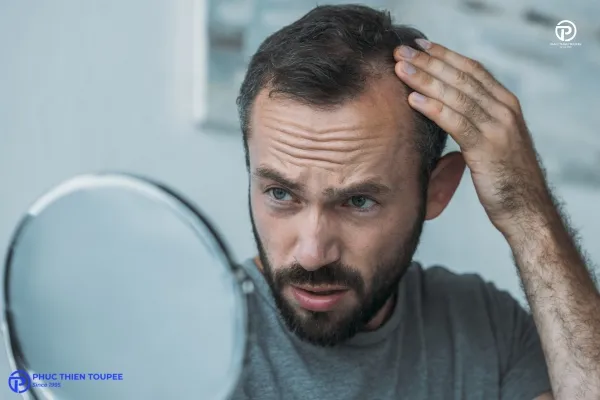
2. Topical Corticosteroids: Calming Scalp Inflammation
Inflammation is often a component of traction alopecia, especially in its earlier stages, hindering the follicle’s ability to function correctly. Corticosteroids directly address this issue.
- Mechanism of Action Explained: Corticosteroids work by suppressing the local immune response and reducing inflammation. When hair follicles are under constant tension, the surrounding scalp tissue can become inflamed. This inflammation can further damage the follicles and impede hair growth. Topical corticosteroids calm this inflammatory process, creating a healthier environment for potential hair recovery. They don’t directly stimulate growth like Minoxidil but remove a barrier to growth.
- Detailed Usage and Application: These are typically prescription medications (though milder hydrocortisone is OTC). They come as creams, lotions, solutions, or foams.
- Apply a thin layer only to the inflamed, affected areas of the scalp as directed by your doctor (usually once or twice daily).
- Gently rub it in.
- Avoid applying to broken or infected skin.
- Realistic Results & Timeline: Reduction in redness, itching, and tenderness can be seen relatively quickly, sometimes within weeks. Hair regrowth, if it occurs as a result of reduced inflammation, will follow the natural hair growth cycle and take longer (months). These are often used for shorter durations to control flare-ups.
- Ideal Candidates: Individuals experiencing visible signs of scalp inflammation (redness, scaling, tenderness, pustules) associated with their traction alopecia.
- Side Effects & Considerations: Long-term use or overuse of potent corticosteroids can lead to skin thinning (atrophy), changes in pigmentation (lightening or darkening), stretch marks, and potentially systemic absorption if used over large areas. Use strictly under medical supervision.
- Cost: Prescription costs vary, often $15-$50+ per tube/bottle depending on insurance.
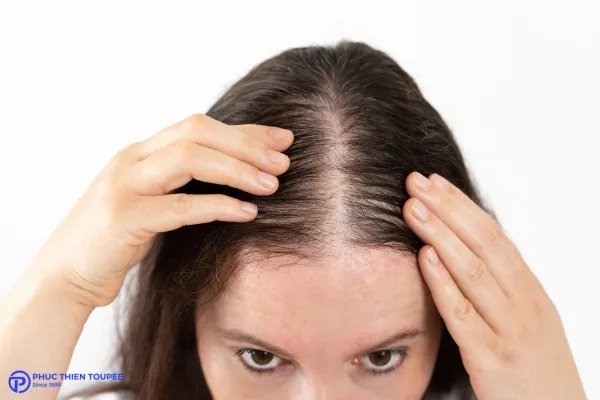
3. Platelet-Rich Plasma (PRP) Therapy: Your Body’s Regenerative Power
PRP therapy is an advanced treatment that leverages your body’s natural healing abilities to rejuvenate hair follicles.
- Mechanism of Action Explained: Your blood contains platelets, which are rich in various growth factors (like PDGF, VEGF, EGF). These are proteins that signal cells to regenerate and repair tissue. In PRP therapy, your blood is drawn and processed in a centrifuge to separate and concentrate these platelets. This platelet-rich plasma is then injected strategically into the areas of thinning scalp. The concentrated growth factors are thought to stimulate dormant or weakening hair follicles, improve blood supply, reduce inflammation, and encourage thicker, healthier hair growth.
- Detailed Procedure:
- Blood Draw: A standard amount of blood (similar to a routine blood test) is drawn from your arm.
- Processing: The blood is placed in a centrifuge, which spins at high speed to separate the components. The platelet-rich plasma layer is isolated.
- Injection: The scalp area is cleaned, and a topical anesthetic may be applied for comfort. The concentrated PRP is then meticulously injected using very fine needles into the scalp areas affected by hair loss.
- Session Duration: The entire process typically takes 60-90 minutes.
- Realistic Results & Timeline: Results are gradual and variable. Some patients notice reduced shedding within a few months. Visible improvements in hair thickness and density typically become apparent after 3-6 months, often peaking around the 6-month mark. Multiple treatment sessions are standard – usually an initial series of 3 sessions spaced 4-6 weeks apart, followed by maintenance sessions every 6-12 months.
- Ideal Candidates: Individuals with thinning hair or early-stage hair loss where follicles are still present but weakened. It can be beneficial for traction alopecia once the pulling has stopped, helping to revive struggling follicles.
- Side Effects & Considerations: Since PRP uses your own blood, the risk of allergic reaction or transmission of disease is virtually eliminated. Common side effects are temporary and mild: soreness, pinpoint bleeding, slight swelling, or bruising at the injection sites. There’s a very small risk of infection. Choose a qualified medical professional experienced in PRP for hair loss.
- Cost: A significant investment, typically $500 – $1200 per session. Total cost for an initial series can range from $1500 to $7200 or more. Insurance usually does not cover PRP for hair loss.

👨🦱 Ready to wear and natural-looking — explore our men’s stock hairpieces today!
4. Hair Transplantation: The Definitive Restoration
For areas where traction alopecia has caused permanent follicle loss (scarring alopecia), hair transplantation offers a definitive, lasting solution.
- Mechanism of Action Explained: This is a surgical procedure that physically moves healthy, genetically resistant hair follicles from a ‘donor’ area (typically the back and sides of the head, where hair is less susceptible to loss) to the thinning or bald ‘recipient’ areas affected by traction alopecia. These transplanted follicles retain their original characteristics and continue to grow hair naturally in their new location.
- Detailed Procedures (FUE vs. FUT):
- Follicular Unit Transplantation (FUT or Strip Method): A strip of scalp containing hair follicles is surgically removed from the donor area. The incision is closed (leaving a linear scar). Technicians then dissect the strip into individual follicular units (groups of 1-4 hairs) under microscopes. Tiny incisions are made in the recipient area, and these grafts are implanted.
- Follicular Unit Extraction (FUE): Individual follicular units are extracted one by one directly from the donor area using a tiny punch tool. This leaves small, dot-like scars that are less noticeable, especially with short hair. Tiny incisions are made in the recipient area, and the extracted grafts are implanted. FUE generally involves less discomfort and faster healing in the donor area but can be more time-consuming and potentially more expensive per graft.
- Realistic Results & Timeline: Transplanted hairs typically shed within the first few weeks (a normal phase called ‘shock loss’). New, permanent growth begins around 3-4 months post-surgery. Visible results improve significantly over the next 6-12 months, with final results often taking 12-18 months to fully mature as the hair thickens and grows longer. The results are permanent, as the transplanted follicles are genetically programmed to keep growing.
- Ideal Candidates: Individuals with significant, permanent hair loss from long-standing traction alopecia where follicles are irreversibly damaged (scarring is present). Sufficient healthy donor hair is required. The underlying cause (tight hairstyling) must be completely stopped.
- Side Effects & Considerations: As with any surgery, risks include infection, bleeding, swelling, numbness, and scarring (linear for FUT, punctate for FUE). Temporary shock loss of surrounding native hair can occur. Achieving a natural-looking result depends heavily on the surgeon’s skill and artistry in designing the hairline and placing the grafts. This is a major decision requiring thorough research.
- Cost: Highly variable based on the technique (FUE often costs more per graft), the number of grafts needed, surgeon’s expertise, and geographic location. Expect costs ranging from $4,000 to $15,000 or even higher for extensive procedures. Often priced per graft ($5-$12+).

5. Laser Therapy (Low-Level Laser Therapy – LLLT): Energizing Follicles with Light
LLLT uses specific wavelengths of red light to stimulate cellular activity within the hair follicles.
- Mechanism of Action Explained: This process is called photobiomodulation. The light energy is absorbed by cells within the hair follicle, potentially increasing ATP production (cellular energy), enhancing blood flow, reducing inflammation, and encouraging follicles to shift from the resting (telogen) phase back into the growth (anagen) phase. It doesn’t work for completely bald areas but aims to revitalize weakened follicles and improve the thickness and density of existing hair.
- Detailed Usage and Application: LLLT can be administered through:
- In-Office Treatments: Using powerful, hooded laser devices in a clinical setting. Sessions might be weekly or bi-weekly.
- At-Home Devices: Caps, helmets, headbands, or combs equipped with laser diodes or LEDs. These require consistent use, typically 3-4 times per week for 15-30 minutes per session, depending on the device instructions. Compliance is crucial.
- Realistic Results & Timeline: Similar to Minoxidil, results are gradual. Reduced shedding might be noticed first. Improvements in hair thickness and fullness may become apparent after 3-6 months of consistent use. Maximum results often take 12 months or more.
- Ideal Candidates: Individuals with diffuse thinning or early-stage hair loss, including traction alopecia where follicles are weakened but still present. It’s often used adjunctively with other treatments like Minoxidil or PRP.
- Side Effects & Considerations: LLLT is generally considered safe and well-tolerated. Side effects are rare but can include temporary scalp warmth, mild irritation, or headache. Look for devices that are FDA-cleared, which indicates they have been reviewed for safety and efficacy for hair growth.
- Cost: In-office sessions can range from $50-$150+ each. High-quality FDA-cleared home devices are a one-time purchase, typically costing $200 – $1000+.
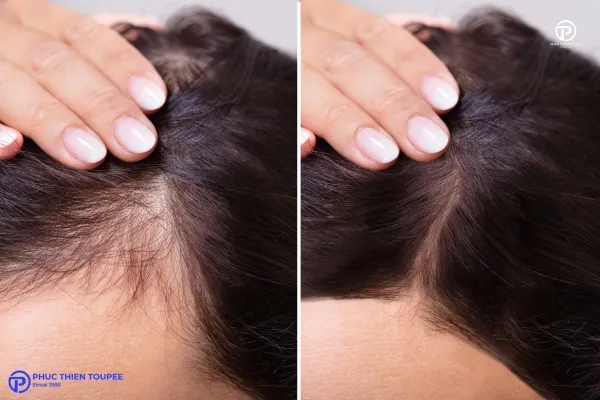
🌸 Lightweight, breathable, and stylish — discover the perfect topper just for you.
6. Scalp Massage: Simple Stimulation for Circulation
A fundamental yet beneficial practice, scalp massage enhances the foundation for healthy hair growth.
- Mechanism of Action Explained: Gentle massage increases blood circulation in the scalp. Improved blood flow means a better supply of oxygen and nutrients to the hair follicles, which is essential for their health and function. Massage may also help reduce scalp tension and potentially stimulate dermal papilla cells within the follicles. While not a standalone cure for significant loss, it supports overall scalp health.
- Detailed Technique:
- Use the pads of your fingertips, not your nails, to avoid scratching.
- Apply gentle to moderate pressure.
- Move your fingertips in small, slow, circular motions across the entire scalp, focusing on affected areas.
- Alternatively, gently glide fingertips across the scalp.
- Aim for at least 4-5 minutes daily. Consistency is more important than duration.
- Realistic Results & Timeline: This is a supportive measure. Expect improved scalp condition and potentially reduced tension. Any effect on hair growth would be subtle and occur over many months, likely in conjunction with other treatments or lifestyle changes. The relaxation benefit itself can help reduce stress-related hair issues.
- Ideal Candidates: Everyone! It’s a beneficial practice for general scalp health and can be incorporated easily into any hair care routine, especially helpful when applying topical treatments or oils.
- Side Effects & Considerations: None, if performed gently. Avoid vigorous rubbing, especially on fragile hair.
- Cost: Free!

7. Essential Oils: Nature’s Concentrated Botanicals
Certain plant-derived essential oils have traditional uses and emerging scientific interest in supporting hair growth.
- Mechanism of Action Explained: Different oils work in various ways:
- Rosemary Oil: Studies suggest it may improve circulation and potentially inhibit DHT (a hormone linked to hair loss) similar to Minoxidil 2%. (Ref: Skinmed Journal, 2015)
- Peppermint Oil: Creates a cooling, tingling sensation, indicating increased blood flow (vasodilation) to the application area.
- Lavender Oil: Known for its calming properties, potentially reducing stress and inflammation. Some studies suggest antimicrobial and growth-promoting effects.
- Cedarwood Oil: Believed to help balance the scalp’s oil production.
- Thyme Oil: Potent antioxidant and potentially stimulates circulation.
- Detailed Usage and Application: Crucially, essential oils MUST be diluted. They are highly concentrated and can cause severe irritation if used neat.
- Choose a carrier oil (e.g., jojoba, coconut, almond, argan oil).
- Add just a few drops (e.g., 2-3 drops per tablespoon of carrier oil) of your chosen essential oil(s) to the carrier oil.
- Perform a patch test on a small area of skin (like the inner elbow) 24 hours before scalp application to check for sensitivity.
- Gently massage the diluted oil mixture into the scalp for several minutes.
- You can leave it on for 30 minutes to a few hours (or even overnight if comfortable) before washing your hair as usual. Use 1-3 times per week.
- Realistic Results & Timeline: Like other natural approaches, results are gradual and subtle. Consistent use over several months (3-6+) is needed to potentially see improvements in hair texture or shedding. Don’t expect dramatic regrowth comparable to medical treatments.
- Ideal Candidates: Individuals seeking natural, complementary approaches to support scalp health and potentially encourage growth, particularly alongside lifestyle changes and gentle hair care.
- Side Effects & Considerations: Skin irritation or allergic reactions are the main risks if not properly diluted or if sensitive to a particular oil. Avoid contact with eyes. Purchase high-quality, 100% pure essential oils from reputable brands.
- Cost: Essential oils range from $5-$30+ per small bottle; carrier oils vary. Relatively inexpensive per application due to dilution.
8. Hair Growth Supplements: Nourishing Follicles from Within
Targeted nutritional support can address deficiencies that may contribute to poor hair health or impede recovery.
- Mechanism of Action Explained: Hair follicles are highly metabolically active and require a steady supply of specific vitamins, minerals, and amino acids to build strong hair shafts and complete the growth cycle effectively. Deficiencies can disrupt this process. Supplements aim to fill these nutritional gaps.
- Biotin (Vitamin B7): Essential cofactor for enzymes involved in protein synthesis, including keratin, the main protein in hair.
- Iron: Crucial for hemoglobin production, which carries oxygen to all cells, including hair follicles. Deficiency (anemia) is a known cause of hair shedding.
- Zinc: Plays a role in hair tissue growth, repair, and the function of oil glands around the follicles.
- Vitamin D: Receptors for Vitamin D are found on hair follicles; deficiency is linked to alopecia. It plays a role in follicle cycling.
- Vitamin C: Powerful antioxidant and essential for collagen synthesis; also aids iron absorption.
- Vitamin E: Antioxidant that helps protect cells from damage and supports circulation.
- Protein/Amino Acids (L-lysine, L-cysteine): Building blocks of keratin.
- Detailed Usage and Application: Taken orally as capsules, tablets, or gummies, typically once or twice daily as directed on the product label or by a healthcare provider. Best taken with food to enhance absorption and minimize potential stomach upset.
- Realistic Results & Timeline: If hair issues are linked to a specific deficiency, improvements may be seen within 3-6 months of consistent supplementation as levels normalize. If nutrient levels are already adequate, supplements are unlikely to provide significant additional benefit for hair growth. They support overall health which underpins hair health.
- Ideal Candidates: Individuals with confirmed or suspected nutritional deficiencies identified through blood tests. Also beneficial for those with dietary restrictions (e.g., vegans, vegetarians) or absorption issues.
- Side Effects & Considerations: Taking excessive amounts of certain vitamins/minerals (especially fat-soluble ones like A, D, E, K, and minerals like iron and zinc) can be harmful. Gastrointestinal upset is possible. Supplements can interact with medications. Crucially, consult your doctor before starting any supplement regimen. Get blood tests to identify actual deficiencies rather than guessing.
- Cost: Varies widely, from $10-$50+ per month depending on the brand and specific formulation.
✨ A toupee shouldn’t just hide hair loss — make it a style statement!
9. Phucthien Toupee: Instant Confidence, Impeccable Style
While other treatments work over time, or for cases with irreversible loss, a high-quality hair system like those offered by Phucthien provides an immediate, non-surgical solution to restore your appearance and confidence.
- Mechanism of Action Explained: A toupee or hair system is a custom-designed piece that integrates seamlessly with your existing hair or covers areas of complete loss. Modern systems use advanced materials for the base (like ultra-thin skin membranes or delicate lace) and high-quality human or synthetic hair, meticulously matched to your own hair’s color, density, texture, and style.
- Detailed Process & Usage:
- Consultation: A detailed consultation (Phucthien offers these) discusses your needs, lifestyle, and desired look. Measurements are taken, and hair samples matched.
- Customization: The system is crafted to your specifications – base material, hair type, length, color blend, density pattern, hairline design.
- Fitting & Styling: The system is expertly fitted using skin-safe adhesive (liquid or tape) or clips (for integration). It’s then cut and styled to blend perfectly with your own hair or create a complete style.
- Maintenance: Requires regular removal, cleaning of the system and scalp, and reapplication (typically every 1-4 weeks depending on attachment method and lifestyle). Phucthien provides guidance and maintenance services.
- Realistic Results & Timeline: Results are instantaneous upon fitting. A well-made, properly fitted Phucthien toupee provides a completely natural and undetectable appearance, restoring your hairline and volume immediately.
- Ideal Candidates: Individuals seeking immediate cosmetic improvement for traction alopecia (either temporary while waiting for regrowth, or permanent for irreversible loss). Also excellent for those who prefer non-medical/non-surgical solutions, or whose hair loss is too extensive for other treatments. Suitable for various lifestyles with appropriate attachment methods.
- Side Effects & Considerations: Requires commitment to maintenance routine. Potential for skin sensitivity to adhesives (patch testing recommended). Cost involves initial purchase and ongoing maintenance supplies/services. Choosing a reputable provider like Phucthien ensures quality materials and expert fitting for comfort and naturalness.
- Cost: Initial custom systems from quality providers like Phucthien can start around $150-$300 and go up significantly based on customization (human hair, base complexity, size). Ongoing costs include adhesives, solvents, and potential maintenance appointments.
🔍 Looking for a specific size, base, or hair color? Order a fully personalized toupee now!
Traction Alopecia Treatment Cost in the US
Understanding the costs associated with different traction alopecia treatments is crucial for making informed decisions. Here’s a breakdown:
| Treatment Option | Cost per Session/Month | Number of Sessions/Months | Total Estimated Cost |
| Topical Minoxidil | $20 – $40 | Ongoing | $240 – $480+ per year |
| Topical Corticosteroids | $15 – $30 (Prescription) | Varies | Varies |
| PRP Therapy | $500 – $1200 | 3-6 | $1500 – $7200 |
| Hair Transplantation | $4,000 – $15,000 | One-time | $4,000 – $15,000 |
| LLLT Therapy | $50 – $100 (In-Office) | Varies | Varies |
| LLLT Device (at Home) | $200 – $800 | One-time purchase | $200 – $800 |
| Hair Growth Supplements | $10 – $50 | Ongoing | $120 – $600+ per year |
| Phucthien Toupee | Starting at $150 | One-time purchase | Starting at $150 |
Important: These costs are estimates and may vary depending on location, provider, and individual needs. Always consult with a healthcare professional for a personalized treatment plan and cost estimate.
Treating Traction Alopecia Naturally: Gentle Approaches
For those seeking natural remedies, here are some options to consider:
- Aloe Vera: Soothes the scalp and reduces inflammation.
- Onion Juice: Contains sulfur, which can stimulate hair growth.
- Green Tea: Rich in antioxidants that promote hair health.
- Coconut Oil: Moisturizes the scalp and reduces protein loss from hair.
How to Use: Apply these natural remedies to the scalp regularly and massage gently.
Remember: Natural remedies may take longer to show results compared to medical treatments.
Restore your scalp: Improve Scalp Health and Hair Loss with targeted Hair Loss Prevention
Maintaining a Healthy Scalp & Lifestyle
Beyond specific treatments, adopting a healthy lifestyle can significantly contribute to hair health:
- Balanced Diet: Eat a diet rich in protein, vitamins, and minerals.
- Stress Management: Practice stress-reducing techniques like yoga or meditation.
- Gentle Hair Care: Avoid harsh shampoos and styling products.
- Adequate Sleep: Get enough sleep to support overall health and hair growth.
Phuc Thien Toupee Co., Ltd
Design Brand: Royal Hair Vietnam
Office Address:
🏢 Room A909, Decapella Building, 116 Luong Dinh Cua Street, An Khanh Ward, Thu Duc City, Ho Chi Minh City 700000, Vietnam
Factory Address:
🏭 No. 26/9, Street 57, Thuong Hamlet, Tan Thong Hoi Ward, Cu Chi District, Ho Chi Minh City 700000, Vietnam
Email: ✉️ phucthientoupeevn@gmail.com
Phone / WhatsApp: 📞 +84 933 901 196
Websites: 🌐 phucthientoupee.com – 🌐 royalhair.shop



