

- 18/06/2025
- Posted by: phucthien
- Category: Blog
Toupee FAQs demystify hair systems, offering a simple and effective solution for hair loss. If you’re considering a non-surgical hair replacement option, this guide provides valuable information, empowering you to make informed decisions and regain confidence. We’ll cover everything from lifespan and cost to care and purchasing, addressing the most common queries related to hairpieces, hair prosthetics, and men’s wigs.
Understanding Toupees: More Than Just Hair Coverings
Before diving into the frequently asked questions, it’s beneficial to establish a clear understanding of what modern toupees, more accurately termed hair systems or non-surgical hair replacements, truly are. The outdated image of ill-fitting, noticeable hairpieces is long gone, replaced by sophisticated, virtually undetectable solutions.
What Exactly is a Modern Hair System?
A modern hair system is a sophisticated hairpiece designed to seamlessly integrate with your existing hair or cover areas of thinning or baldness on the scalp. Unlike traditional wigs that cover the entire head, a toupee or hair system is typically customized to address specific areas, most commonly the top and crown.
The evolution from old-style toupees to contemporary hair systems involves significant advancements in:
- Base Materials: Modern bases are thinner, lighter, and more breathable, mimicking the appearance and feel of a natural scalp. Materials like ultra-thin skin (polyurethane) and Swiss or French lace offer remarkable realism.
- Hair Quality: High-quality human hair, such as Remy hair (where cuticles are kept intact and aligned) or even Virgin hair (unprocessed), provides the most natural look, feel, and styling versatility. Advanced synthetic fibers also offer impressive realism and ease of care.
- Attachment Methods: Gone are the days of bulky clips being the only option. Today’s systems utilize specialized bonding adhesives (liquids) or tapes that provide secure, long-lasting holds, allowing wearers to swim, shower, and exercise with confidence.
- Ventilation Techniques: How hair is attached to the base (knotting, V-looping, injection) significantly impacts realism. Techniques like single-split knots or V-looping on thin skin bases create the illusion of hair growing directly from the scalp. Bleached knots on lace bases further enhance this effect at the hairline.

Your questions answered: Debunk common Toupee Myths and uncover surprising Toupee Benefits
Why Choose a Non-Surgical Hair Replacement?
Choosing a non-surgical hair replacement system offers numerous advantages, making it an appealing option for many dealing with hair loss, including conditions like male pattern baldness, female pattern hair loss, or alopecia areata.
- Immediate Results: Unlike hair transplants which require surgery and months for visible results, a hair system provides an instant transformation. You walk out with a full head of hair after fitting.
- Non-Invasive: There is no surgery, no scarring, and no lengthy recovery period involved. This eliminates the risks associated with surgical procedures.
- Guaranteed Outcome: The final look is predictable. You know exactly what density, color, and style you will achieve, unlike transplants where results can vary.
- Customization: Hair systems are highly customizable. You can select the exact hair color, density, texture, length, style, and base material to match your natural hair and preferences perfectly.
- Reversibility: If you decide a hair system is not for you, or wish to try a different style or solution, you can simply stop wearing it.
- Cost-Effective (Initially): While ongoing maintenance and replacement costs exist, the initial outlay for a high-quality hair system is typically significantly lower than surgical hair transplantation.
- Confidence Boost: Perhaps the most significant benefit is the psychological impact. Restoring your hair can dramatically enhance self-esteem, confidence, and overall well-being.
Phuc Thien believes that understanding these fundamentals empowers individuals to make informed decisions about their hair restoration journey.
✂️ Be unique — create your custom-made toupee today!
FAQ 1: How Long Do Toupees Last?
This is one of the most common and crucial questions potential wearers ask. The lifespan of a toupee or hair system isn’t indefinite and varies considerably based on several key factors. Providing a single number is difficult, but understanding the variables allows for realistic expectations.
Factors Influencing Hair System Lifespan
The durability of your hair unit depends heavily on a combination of its construction and how you treat it.
- Hair Type:
- Human Hair: Generally requires more care but offers superior naturalness. Its lifespan depends on the quality (Remy, Virgin) and processing. It behaves like real growing hair, meaning it can dry out or become damaged without proper conditioning.
- Synthetic Hair: Often requires less maintenance and holds its style well, but can be sensitive to heat and friction. Higher-quality synthetics last longer than cheaper alternatives. They generally cannot be re-colored or heat-styled like human hair.
- Base Material:
- Lace Bases (French/Swiss): Offer excellent realism and breathability but are more delicate and require careful handling. Swiss lace is finer and less detectable but also less durable than French lace.
- Poly Skin Bases (Thin Skin): Provide a very realistic scalp appearance and are easier to clean and attach adhesive to. However, ultra-thin skin bases (e.g., 0.03mm) are very delicate and have the shortest lifespan. Thicker poly bases offer more durability.
- Monofilament Bases: Known for durability and a natural appearance of hair growth from the scalp in the mono area. They are less breathable than lace.
- Hybrid Bases: Combine materials (e.g., lace front with poly perimeter) to balance realism, comfort, and durability.
- Maintenance Routine: This is arguably the most critical factor you control.
- Proper Washing/Conditioning: Using sulfate-free, color-safe products designed for processed hair or hair systems is essential. Over-washing or using harsh products strips moisture and damages the hair and base. Regular, deep conditioning (for human hair) is vital.
- Gentle Handling: Avoid excessive pulling, harsh brushing (especially when wet), and sleeping in the unit if possible (though many modern systems allow this with precautions).
- Adhesive Use/Removal: Using the correct amount of adhesive/tape and employing proper, gentle removal techniques prevents damage to the base. Solvent removers should be used carefully.
- Lifestyle:
- Activity Level: Frequent swimming (especially in chlorinated water), heavy sweating, and intense physical activity can shorten lifespan due to exposure to chemicals, salts, and increased washing frequency.
- Environmental Factors: Prolonged sun exposure can cause human hair to oxidize (fade or turn reddish) and degrade both hair and base materials. Wearing hats or using UV protectant sprays can help.
- Sleeping Habits: Friction against pillows can cause tangling and hair breakage. Using silk or satin pillowcases can minimize this.

Average Lifespan by Type
While individual results vary greatly, here’s a general guideline based on Phuc Thien Toupee’s experience and industry standards. Remember these are averages; meticulous care can extend these periods, while neglect can shorten them significantly.
| Hair System Type | Base Material Example | Typical Hair Type | Average Lifespan (with proper care) | Notes |
| Ultra-Realistic (Shortest Life) | Ultra-Thin Skin (0.03mm) | Human Hair | 1-3 Months | Maximum realism, least durable base, requires very gentle handling. |
| Realistic & Breathable | Swiss Lace | Human Hair | 2-4 Months | Very natural hairline, delicate base, requires careful maintenance. |
| Balanced Realism & Durability | French Lace | Human/Synthetic | 3-6 Months | Good naturalness, more durable than Swiss lace. |
| Durable Scalp Appearance | Thin Skin (0.06-0.08mm) | Human/Synthetic | 4-7 Months | Realistic scalp look, easier cleaning, good balance. |
| Robust & Durable | Monofilament with Poly Border | Human/Synthetic | 6-12+ Months | Very durable base, good for longer wear, less breathable than lace. |
| High-End Synthetic (Non-Heat Friendly) | Various Bases | Synthetic | 4-8 Months | Holds style well, less versatile, sensitive to friction/heat. |
| Premium Human Hair (e.g., Virgin) | Durable Bases (Mono/Poly) | Virgin Human Hair | 8-12+ Months | Highest quality hair, requires meticulous care, potentially longer life. |
Signs It’s Time for a Replacement
Recognizing when your hair system is nearing the end of its life is crucial for maintaining a consistently natural look. Look out for these signs:
- Excessive Shedding: All systems shed over time, but a noticeable increase indicates the knots are loosening or the base is degrading.
- Base Deterioration: Tears, rips, or stretching in lace or poly bases. The base may become brittle or gummy.
- Hair Matting/Tangling: If the hair constantly tangles or mats despite proper conditioning (especially human hair), the cuticles may be damaged, or product buildup might be severe.
- Color Fading/Oxidation: Human hair, especially darker shades, can fade or develop reddish tones due to sun exposure and washing. While it can sometimes be recolored, severe fading often coincides with hair structure degradation. Synthetic hair fading is usually irreversible.
- Difficulty Styling: The hair loses its body, becomes limp, frizzy, or unresponsive to styling products.
- Visible Wear: Edges fraying, knotting becoming visible, or the overall appearance looking worn and unnatural.

FAQ 2: What Are the Best Toupees Available?
The concept of the ‘best’ toupee or hair system is subjective and depends entirely on individual needs, priorities, and lifestyle. What works perfectly for one person might not be ideal for another. The key is to find the system that offers the best balance of natural appearance, comfort, durability, and budget for you.
Defining ‘Best’: It’s Personal
When searching for the ‘best’ hair system, consider these crucial aspects:
- Natural Appearance: How undetectable do you need it to be? This involves the hairline, scalp appearance through the base, hair texture match, color blending, and density. Systems prioritizing maximum realism often use finer base materials (like Swiss lace or ultra-thin skin) and meticulous knotting techniques, which may impact durability.
- Comfort: How does the base feel on your scalp? Breathability is key, especially in warmer climates or for active individuals. Lace bases excel here. Weight and flexibility also contribute to comfort. Allergies to base materials or adhesives must be considered.
- Durability & Lifespan: How long do you expect the system to last? As discussed previously, more durable bases (like monofilament or thicker poly) generally last longer but might compromise slightly on ultimate undetectability or breathability compared to the most delicate options.
- Maintenance Requirements: How much time and effort are you willing to dedicate to care? Human hair requires more styling and conditioning than synthetic hair. Lace bases might need more frequent adhesive cleanup than poly bases.
- Lifestyle: Your daily activities (office work vs. physical labor), exercise habits, swimming frequency, and climate all influence the suitability of different base materials and attachment methods.
- Budget: High-end, fully customized human hair systems represent a significant investment compared to stock synthetic pieces. Determine your budget for the initial purchase and ongoing maintenance/replacement costs.
Phuc Thien Toupee emphasizes a personalized consultation process to help clients weigh these factors and identify their ideal solution.
🎨 Your style, your hair — we make it exactly how you want.
Comparing Hair Types: Human vs Synthetic
The choice between human and synthetic hair is fundamental. Each has distinct advantages and disadvantages:
| Feature | Human Hair (High Quality – Remy/Virgin) | Advanced Synthetic Fiber |
| Appearance | Most natural look and feel, reflects light naturally. | Can look very realistic, but may have unnatural shine. |
| Styling | Highly versatile; can be heat-styled, colored, permed. | Style is ‘baked in’, minimal versatility. Heat-friendly options exist but have limitations. |
| Maintenance | Requires regular washing, conditioning, and styling. | Easier to care for; wash, air dry, retains style. |
| Durability | Can last longer with meticulous care, but susceptible to environmental damage (sun, dryness). | Less prone to environmental damage, but sensitive to heat and friction (can cause frizzing). |
| Feel | Natural, soft, moves like growing hair. | Can feel slightly coarser or different than human hair. |
| Color | Can be professionally colored/highlighted for perfect match. | Cannot be colored. Wide range of pre-blended colors available. |
| Cost | Significantly more expensive. | More affordable. |
| Lifespan | Potentially 6-12+ months with excellent care & durable base. | Typically 4-8 months, depending on quality/care. |
| Best For | Ultimate realism, styling flexibility, perfect color match. | Lower budget, ease of maintenance, consistent style. |
Note: ‘Human Hair’ quality varies greatly. Lower-quality, non-Remy human hair may tangle easily and have a shorter lifespan.
Base Materials Deep Dive
The base is the foundation of the hair system, dictating comfort, realism, and durability.
- Lace (Swiss or French):
- Pros: Extremely breathable, lightweight, creates the most natural-looking hairline when knots are bleached/small. Swiss lace is finer and less detectable than French lace.
- Cons: Delicate (especially Swiss lace), requires careful handling, adhesive cleanup can be more challenging, knots may be visible without proper technique.
- Best For: Maximum realism at the hairline, comfort in warm climates, those prioritizing breathability.
- Polyurethane Skin (Poly / Thin Skin):
- Pros: Mimics scalp appearance very well, easy to apply adhesive to, easy to clean, feels secure. Available in various thicknesses (e.g., 0.03mm ultra-thin to 0.08mm thin skin).
- Cons: Not breathable (can feel warm), ultra-thin versions are very fragile and have short lifespans, thicker versions can feel less natural at the edge.
- Best For: Realistic scalp look, ease of maintenance, secure attachment, those less concerned about breathability.
- Monofilament (Mono):
- Pros: Very durable material, hair appears to grow naturally from the scalp in the mono area, holds shape well.
- Cons: Less breathable than lace, can feel stiffer, edges are thicker and usually require integration with lace or poly for a natural hairline.
- Best For: Durability, longevity, those needing a robust system. Often used in combination with other materials.
- Hybrid Systems:
- Pros: Combine the strengths of different materials. Common examples include a lace front (for natural hairline) with a poly perimeter (for easy cleanup and secure edge) and/or a mono top (for durability).
- Cons: Can be more complex in construction, potentially higher cost.
- Best For: Achieving a balance between naturalness, comfort, durability, and ease of use. Often represent the best all-around solutions.
Achieving an Undetectable Hairline
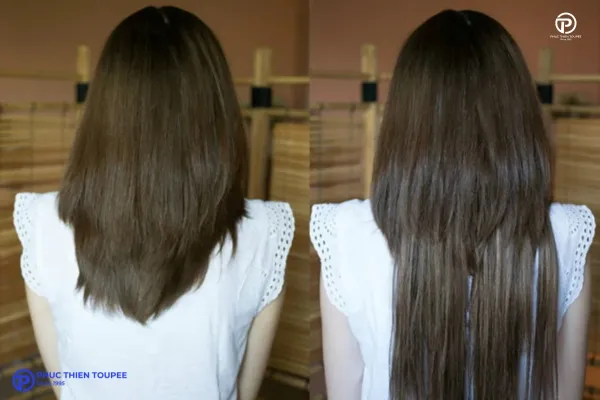
The hairline is often the biggest giveaway of a hair system. Achieving undetectability requires attention to:
- Base Choice: Lace (especially Swiss) or ultra-thin skin bases excel at the hairline.
- Knotting: Smaller knots (single split knots) are less visible. V-looped hair (on poly) or injected hair (thicker poly/silicone) offers knotless options, mimicking hair growing from the scalp.
- Bleached Knots: Bleaching the knots on lace bases makes them virtually invisible against the scalp. This process slightly weakens the knot, impacting durability.
- Hair Density: Graduated density at the hairline (less dense at the very front, gradually increasing) looks more natural than a harsh, abrupt line of thick hair.
- Proper Placement: Ensuring the system is positioned correctly on the forehead is crucial. Too low looks unnatural.
🔍 Looking for a specific size, base, or hair color? Order a fully personalized toupee now!
FAQ 3: How To Care For A Toupee Properly?
Proper care is paramount to extending the lifespan of your hair system and keeping it looking its best. It involves establishing regular routines for cleaning, conditioning, handling, and storage. Neglecting care is the quickest way to damage your investment.
Essential Daily and Weekly Routines
Consistency is key. While daily needs are minimal, weekly routines are more involved.
Daily (or as needed):
- Gentle Detangling: Before bed and in the morning, use a wide-tooth comb or loop brush specifically designed for hair systems. Start at the ends and work upwards gently. Never pull hard on tangles.
- Light Styling: Use fingers or a comb to style as desired. Avoid excessive product buildup.
- Check Attachment: Gently press along the perimeter to ensure the bond is secure.
Weekly (or every 7-14 days, depending on adhesive, lifestyle, and system type):
- Removal: Carefully remove the system using the appropriate adhesive solvent/remover.
- Cleaning: Thoroughly clean the base and hair.
- Conditioning: Deep condition human hair systems.
- Scalp Care: Cleanse and moisturize your scalp.
- Drying: Allow the system to air dry completely.
- Reattachment: Reapply adhesive/tape and attach the system.
Washing Your Hair System: Step-by-Step Guide
This is a critical process. Avoid washing the system while it’s attached to your head if possible, as this makes thorough cleaning and rinsing difficult.
- Preparation: Gently detangle the hair completely before getting it wet. Fill a basin or sink with cool to lukewarm water. Hot water can damage the hair and base.
- Shampooing: Add a small amount of high-quality, sulfate-free shampoo (formulated for hair systems or color-treated hair) to the water and mix. Submerge the hair system. Gently distribute the shampoo through the hair using smooth, downward strokes with your fingers. Do not rub, scrub, or agitate vigorously, as this causes tangling and shedding. Focus on cleaning the hair, not scrubbing the base at this stage.
- Rinsing: Drain the dirty water and refill the basin with clean, cool water. Rinse the hair thoroughly by dipping it in and out of the water and letting water run through it in one direction (base to ends). Ensure all shampoo is removed. Repeat rinsing if necessary.
- Base Cleaning (Important): After washing the hair, specifically clean the underside of the base to remove adhesive residue. For poly bases, you can gently wipe with a cloth and appropriate cleaner/solvent. For lace, gently dab or use a soft brush with cleaner, being careful not to push adhesive residue through the lace. Rinse the base thoroughly.
- Conditioning (Human Hair): Apply a good quality conditioner, again using downward strokes. Avoid applying conditioner directly to the base/knots, as this can loosen them. Leave the conditioner on for the recommended time (usually 2-5 minutes, or longer for deep conditioning treatments).
- Final Rinse: Rinse the conditioner out thoroughly with cool water, ensuring no residue remains.
Conditioning and Hydration
For human hair systems, conditioning is non-negotiable. Unlike growing hair, the system doesn’t receive natural oils (sebum) from the scalp.
- Regular Conditioning: Use a rinse-out conditioner after every wash.
- Leave-In Conditioner: Applying a light leave-in conditioner (spray or cream) while the hair is damp helps retain moisture and aids detangling.
- Deep Conditioning: Once or twice a month, use a deep conditioning mask designed for dry or processed hair. Leave it on for 15-30 minutes (or as directed), potentially wrapping the hair in a shower cap. Rinse thoroughly.
- Avoid Base Application: Keep conditioners away from the knots/base as much as possible.
Drying and Styling Your Toupee
Improper drying and styling can cause significant damage.
- Towel Drying: Gently squeeze excess water out – do not rub or wring. Lay the system on a towel and gently pat it dry.
- Air Drying: Place the system on a mannequin head or specialized stand and allow it to air dry completely. This is the safest method. Keep it out of direct sunlight.
- Blow Drying (Human Hair Only): If necessary, use a blow dryer on a low heat and low airflow setting. Always apply a heat protectant spray first. Keep the dryer moving and avoid concentrating heat on one spot or the base. Never use high heat. Standard synthetic hair will melt or frizz with heat. Heat-friendly synthetics have specific temperature limits.
- Styling Products: Use products formulated for hair systems or processed hair. Avoid products with high alcohol content, which can be drying. Use gels, mousses, and sprays sparingly to prevent buildup. Water-based products are generally preferred.

Attachment and Removal Best Practices
Secure attachment and safe removal are vital for both the system’s longevity and your scalp health.
- Adhesives/Tapes: Choose the right type for your skin, lifestyle, and desired hold time (daily, extended wear). Options include liquid bonding adhesives (various strengths) and double-sided tapes (rolls or contours). Perform a patch test first to check for allergic reactions.
- Application: Apply adhesive/tape to a clean, dry scalp (and/or the system base, depending on the product). Use the recommended amount – too much can seep and be difficult to clean; too little affects the bond. Allow liquid adhesives to become tacky before placement as per instructions.
- Removal: Never pull or rip the system off. Use a designated adhesive solvent/remover. Apply it generously around the perimeter and allow it to soak in and loosen the bond (follow product instructions). Gently lift the system away from the scalp, applying more remover as needed. Patience is key to avoid damaging the base or pulling your own hair.
- Cleanup: After removal, clean residual adhesive from both your scalp and the system base using the appropriate remover and cleansers.
Scalp Care: The Foundation of Comfort
A healthy scalp is essential for comfortable wear.
- Regular Cleaning: When the system is removed for cleaning, thoroughly cleanse your scalp using a gentle shampoo. Exfoliating occasionally can help remove dead skin cells and product buildup.
- Moisturizing: Apply a light, non-comedogenic moisturizer to prevent dryness and irritation.
- Scalp Protection: Some wearers apply a scalp protector product before adhesive application to create a barrier, improving adhesion and protecting sensitive skin.
- Address Irritation: If redness or irritation occurs, identify the cause (adhesive sensitivity, trapped moisture, friction) and address it. Allow the scalp to breathe between applications if irritation persists. Consult Phuc Thien Toupee or a dermatologist if needed.
✨ A toupee shouldn’t just hide hair loss — make it a style statement!
Storing Your Toupee Safely
Proper storage prevents damage and maintains shape.
- Mannequin Head/Stand: The ideal storage method. Keeps the shape, prevents tangling, and allows air circulation.
- Avoid Direct Sunlight/Heat: Store away from windows, radiators, or vents. UV rays fade hair color, and heat damages fibers and bases.
- Cool, Dry Place: Choose a location like a closet or drawer.
- Travel: Use a dedicated travel case or box to protect the system during transit.
Following these detailed care steps, provided by Phuc Thien, will significantly contribute to the appearance, comfort, and lifespan of your hair system.
FAQ 4: How Much Do Toupees Cost?
The cost of a toupee or hair system is a significant consideration. Prices can range widely, from relatively affordable stock pieces to high-end, fully customized units. Understanding the factors that influence price helps manage budget expectations. The target audience’s indicated budget ($120+) suggests an interest in quality, potentially custom or high-grade stock options, rather than the very cheapest disposable pieces.
Understanding the Price Range
- Lower End (Approx. $120 – $300): Typically stock synthetic systems or lower-quality human hair pieces with standard base materials (e.g., thicker mono or poly). Realism and customization may be limited. Durability might be lower.
- Mid-Range (Approx. $300 – $700): This range often includes high-quality stock human hair systems (like Remy hair) on better bases (French lace, thinner skin, hybrids) or basic custom synthetic systems. Good balance of quality and price. Many reputable online suppliers like Phuc Thien Toupee offer excellent options here.
- Higher End (Approx. $700 – $1500+): This bracket typically covers fully customized human hair systems using premium hair (Virgin or high-grade Remy), intricate base designs (Swiss lace, ultra-thin skin, complex hybrids), meticulous craftsmanship (fine knotting, bleaching), and personalized services like professional fitting and styling included.
Note: These are estimates for the hair system itself as of 2024. Prices vary by supplier, location, and specific features.
Factors Determining Toupee Cost
Several key elements contribute to the final price tag:
- Hair Type and Quality:
- Virgin Human Hair: The most expensive, as it’s unprocessed and considered the highest quality.
- Remy Human Hair: Cuticles aligned, less tangling, higher cost than non-Remy.
- Standard Human Hair: Processed, cuticles may not be aligned, more affordable but prone to tangling.
- High-Quality Synthetic / Heat-Friendly Synthetic: More expensive than basic synthetic, cheaper than human hair.
- Basic Synthetic: Least expensive hair option.
- Base Material and Construction:
- Complex Bases: Intricate designs like Swiss lace, ultra-thin skin (0.03mm), or detailed hybrid combinations require more skilled labor and delicate materials, increasing cost.
- Standard Bases: French lace, thicker poly (0.08mm+), monofilament are generally less expensive to produce.
- Hand-Tied vs. Machine-Made: Fully hand-tied systems offer more natural movement and styling versatility but are labor-intensive and costlier.
- Size and Amount of Hair: Larger base sizes require more materials and hair, increasing cost. Higher density also adds to the price.
- Customization Level:
- Full Custom: Made-to-measure template, specific color blending, density variations, unique base design – highest cost due to personalization.
- Stock with Customizations: Pre-made sizes/styles with some adjustments (e.g., color added).
- Stock: Pre-made, standard specifications – most affordable.
- Brand/Supplier: Established brands or salons offering extensive service may charge more than direct online suppliers. Phuc Thien Toupee aims to provide high quality at competitive online prices.
- Manufacturing Origin: Labor costs can influence pricing.
- Special Features: Bleached knots, graduated hairlines, specific ventilation techniques (injection, V-looping) add to the labor cost.
Ongoing Costs to Consider
The initial purchase price is not the only expense. Budgeting for ongoing costs is essential:
- Adhesives & Tapes: ($15 – $40+ per month, depending on type and frequency of change).
- Solvents & Removers: ($10 – $25 per bottle, lasts several applications).
- Specialized Shampoos & Conditioners: ($15 – $30+ per bottle, usage depends on frequency).
- Styling Products: ($10 – $25+ per item).
- Maintenance Appointments (Optional): Professional cleaning, conditioning, reattachment, cut-ins ($50 – $150+ per session).
- Repairs (Occasional): Minor repairs might be possible but often it’s more cost-effective to replace.
- Replacement Systems: The largest ongoing cost. Depending on the system’s lifespan (see FAQ 1), you’ll need to purchase replacements periodically (e.g., 2-4 times per year for delicate systems, 1-2 times for durable ones).
Annual Cost Example (Mid-Range System):
- System Cost: 2 systems/year @ $500 each = $1000
- Supplies (Adhesives, Cleaners, Products): $40/month x 12 = $480
- Estimated Total Annual Cost: ~$1480+ (excluding optional professional services)
FAQ 5: Where To Buy Toupees In The US?
Once you’ve decided to explore hair systems, the next step is finding a reliable place to purchase one. You have several options in the US, primarily online retailers and specialized hair replacement salons or studios.
Options for Purchasing: Online vs Salon
Online Retailers (like Phuc Thien Toupee):
- Pros:
- Wider Selection: Access to a vast range of stock and custom options, materials, and styles from global manufacturers.
- Lower Prices: Generally more competitive pricing due to lower overheads compared to physical salons.
- Convenience: Shop from anywhere, anytime. Discreet delivery.
- Accessibility: Available regardless of your location within the US.
- Transparency: Detailed product descriptions, specifications, and often customer reviews available.
- Cons:
- No In-Person Fitting: You typically need to take your own measurements or create a template (guidance provided).
- Cut-In Required: Systems usually arrive unstyled and need to be cut and blended by a knowledgeable stylist.
- Self-Maintenance: You are responsible for learning attachment, removal, and care (though good suppliers offer support).
- Assessing Quality: Relies on supplier reputation, descriptions, and reviews.
Specialized Salons / Hair Replacement Studios:
- Pros:
- Expert Consultation: In-person assessment of your hair loss, scalp, and needs.
- Professional Fitting & Template: Experts create the template and ensure proper fit.
- Cut-In & Styling Included: The system is professionally cut, blended, and styled to suit you.
- Maintenance Services: Many offer ongoing cleaning, reattachment, and repair services.
- Hands-On Experience: You can often see and feel different base materials and hair samples.
- Cons:
- Higher Costs: Prices are typically significantly higher due to service inclusion and overheads.
- Limited Selection: May be tied to specific brands or manufacturers they partner with.
- Location Dependent: Need to find a reputable studio in your area.
- Potential for Contracts: Some studios operate on long-term maintenance contracts.
Get expert help: Solve issues with Toupee Problem Solving and master Toupee Application Methods Explained easily
What to Look for in a Reputable Seller (Online or Salon)
Regardless of where you choose to buy, look for these signs of a trustworthy provider:
- Experience and Expertise: How long have they been in the business? Do they demonstrate deep knowledge of different system types, materials, and hair loss solutions? (Phuc Thien prides itself on extensive experience).
- Quality Products: Do they offer high-grade materials (e.g., Remy human hair, quality lace/poly)? Are specifications clearly listed?
- Customization Options: Can they accommodate specific needs for size, color, density, base design? This is crucial for the best results.
- Transparency: Clear information about pricing, materials, production times (for custom orders), and return/warranty policies.
- Customer Support: Are they responsive to questions? Do they offer guidance on measuring, ordering, and care? Look for contact options (email, phone, chat).
- Positive Reviews & Testimonials: Check independent review sites, forums, or social media for feedback from other customers.
- Educational Resources: Reputable sellers often provide guides, blog posts (like this one!), or videos on how to choose, wear, and care for systems.
- Secure Ordering Process (Online): Ensure the website uses HTTPS encryption for safe transactions.
- Fair Return/Warranty Policy: Understand the terms for returns or remakes, especially for custom orders where issues might arise.
The Phuc Thien Toupee Advantage
Phuc Thien Toupee aims to bridge the gap by offering the benefits of online purchasing with a commitment to quality and support typically associated with dedicated studios.
- Expertise: We specialize in non-surgical hair replacement, understanding the nuances of different hair types (including specific textures like Korean hair) and base technologies.
- Quality Focus: We source high-quality materials and work with skilled manufacturers to ensure durable, natural-looking systems.
- Customization: We excel at creating fully customized units tailored to individual needs, alongside offering high-quality stock options.
- Competitive Pricing: Our online model allows us to offer premium systems at accessible price points.
- Comprehensive Support: We provide detailed guides, responsive customer service via email/chat, and are committed to helping clients succeed with their systems.
- Direct Access: We connect clients in the US directly with quality manufacturing capabilities.
Phuc Thien Toupee Co., Ltd
Design Brand: Royal Hair Vietnam
Office Address:
🏢 Room A909, Decapella Building, 116 Luong Dinh Cua Street, An Khanh Ward, Thu Duc City, Ho Chi Minh City 700000, Vietnam
Factory Address:
🏭 No. 26/9, Street 57, Thuong Hamlet, Tan Thong Hoi Ward, Cu Chi District, Ho Chi Minh City 700000, Vietnam
Email: ✉️ phucthientoupeevn@gmail.com
Phone / WhatsApp: 📞 +84 933 901 196
Websites: 🌐 phucthientoupee.com – 🌐 royalhair.shop



