

- 09/05/2025
- Posted by: phucthien
- Category: Blog

Toupee blending is key to making non-surgical hair systems look natural and seamless. It involves precise techniques, product use, and attention to detail to merge your natural hair with a toupee flawlessly. Phuc Thien Toupee offers expert guidance on color matching, hairline creation, and density alignment—empowering both beginners and experienced users to achieve confident, undetectable results.
Understanding the Fundamentals of Natural Hair Integration
Before diving into specific tips, it is vital to grasp the core principles that underpin successful toupee blending. Natural human hair is incredibly nuanced. Replicating these subtleties is the key to making a hair system indistinguishable from your own growing hair. This involves careful consideration of color, density, texture, and how the base material interacts with your scalp and existing hair.
Hair Color Matching: Beyond the Basics
Simply choosing a toupee color that looks close is not enough. Natural hair is rarely one solid shade. It possesses a complex blend of tones, including a base color, subtle highlights (lighter strands), and lowlights (darker strands), often varying slightly from root to tip.
- Multi-Tonal Complexity: Effective toupee blending requires replicating this multi-tonal quality. A high-quality hair system should incorporate these variations. Phuc Thien Toupee emphasizes custom coloring to achieve this depth.
- Lighting Conditions: Color perception changes drastically under different lighting (natural sunlight, fluorescent office lighting, warm indoor lighting). The color match must hold true across various environments. Professional color analysis considers this.
- Oxidation: Over time, particularly with human hair systems, exposure to UV light and environmental factors can cause color oxidation, leading to slight changes in tone (often warming or brassiness). This needs to be anticipated and managed.
Matching requires analyzing your natural hair in daylight and comparing it meticulously against color swatches or, ideally, having a custom color blend created. Factors like your skin tone and eye color also play a role in selecting the most flattering overall hair color.

Hair Density Replication: Finding the Right Balance
Hair density refers to the number of hair strands per square inch or square centimeter of the scalp. Crucially, natural hair density is not uniform across the entire head.
- Natural Variation: Density is typically highest at the crown and back, gradually becoming lighter towards the hairline and temples. The very front hairline is often the least dense area, featuring finer, softer hairs.
- The Unnatural Look: A common mistake is choosing a toupee with excessive, uniform density, especially at the front hairline. This creates a harsh, abrupt look that immediately signals an artificial hairpiece. According to hair restoration experts, average scalp density can range significantly, but a natural front hairline often has significantly lower density than the vertex.
- Graduated Density: Achieving seamless toupee blending necessitates replicating this natural graduation. High-quality systems feature lighter density at the edges, gradually increasing inwards. This ensures a soft, undetectable transition. Custom density mapping is often the best approach.
Understanding your own natural hair density pattern is crucial for selecting or ordering a system that will blend realistically.
Master your look: Achieve Natural Look Toupee Application with top Toupee Styling Products
Hair Texture Alignment: Coarse, Fine, Wavy, Straight
Hair texture refers to the thickness and surface quality of individual hair strands (e.g., fine, medium, coarse) and its natural pattern (straight, wavy, curly, kinky). Mismatching texture is another common pitfall in hairpiece integration.
- Importance of Match: If your natural hair is fine and straight, a coarse, wavy toupee will never blend seamlessly, regardless of color or density matching. The difference in how the hair moves, reflects light, and feels will be apparent.
- Ethnic Considerations: Hair texture varies significantly across ethnicities. For example, Asian hair (including Korean hair, a key focus for Phuc Thien Toupee) is often characterized by its straightness and typically thicker strands compared to the finer textures often seen in Caucasian hair. Selecting a toupee with the appropriate ethnic hair type is vital for authenticity.
- Processing Effects: Keep in mind that chemical processing (like perming or coloring) on the hair system can alter its original texture. Choose a base texture that most closely matches your natural hair before any desired styling like perms.
Accurate texture matching ensures the hair system behaves and looks consistent with your biological hair, contributing significantly to the overall natural appearance.
🎨 Your style, your hair — we make it exactly how you want.
Base Material and Its Impact on Blending
The material used for the toupee base plays a critical role in how well the edges, particularly the front hairline, can be blended. Different materials offer distinct advantages and challenges.
- Lace Bases (French/Swiss): These are considered the gold standard for undetectable hairlines. The fine mesh allows the scalp to show through, mimicking natural hair growth. Blending involves careful adhesive application right up to the edge and sometimes using makeup or scalp concealers. Swiss lace is finer and less detectable but more delicate than French lace.
- Polyurethane (Poly/Skin) Bases: These are thin, skin-like membranes. They offer excellent adhesion and are easy to clean. Ultra-thin skin bases (around 0.03mm) can melt into the scalp for a very natural look, but may be less durable and breathable. Blending involves ensuring no adhesive seepage and that the edge lies perfectly flat.
- Monofilament (Mono) Bases: These are durable mesh materials, often used for the main body of the toupee for longevity, sometimes combined with lace or poly fronts for better hairline blending.
- Hybrid Bases: Many modern systems combine materials, such as a lace front for the hairline and a more durable poly or mono base for the rest of the scalp, offering a balance of naturalness and practicality.
The choice of base material directly influences the techniques required for seamless toupee blending, especially concerning adhesive application and edge concealment. Understanding these fundamentals provides the foundation for applying the specific blending tips effectively.

Tip 1: Precision Haircut and Styling Integration
Perhaps the single most critical factor in achieving undetectable toupee blending is the haircut. It is not just about cutting the toupee hair; it is about integrating the hair system with your existing biological hair through strategic cutting and styling. This step requires skill and experience, preferably from a stylist specializing in hair replacement systems.
The Foundational Cut: Blending Starts Here
The initial cut establishes the blueprint for seamless integration. This should ideally be done with the toupee securely attached to your head.
- Cutting Together: The stylist must cut the hair of the toupee and your own growing hair simultaneously, treating them as one continuous head of hair. This ensures consistent length and layering across the transition zones (sides, back, and potentially the front if you have some remaining hairline).
- Expertise is Non-Negotiable: Seek a stylist experienced with hair systems. They understand how toupee hair behaves differently from growing hair (it doesn’t grow back!), the importance of avoiding cutting into the base, and techniques for creating soft, graduated edges. Phuc Thien often collaborates with or recommends such specialists.
- Layering is Key: Graduated layers are essential, especially where the toupee meets your natural hair. Layering helps to mask the edge of the base and allows the hair from the system and your bio hair to intermingle naturally. Avoid blunt, heavy lines.
- Thinning Shears: Used judiciously by a professional, thinning shears can help soften the transition, reduce bulk, and blend densities more naturally, particularly on the sides and back. However, overuse can damage the system or create unnatural gaps.
This foundational cut is not a one-time event. As your natural hair grows, regular maintenance cuts (typically every 4-6 weeks) are necessary to maintain the blend.
🔍 Looking for a specific size, base, or hair color? Order a fully personalized toupee now!
Styling Techniques for a Unified Look
Daily styling plays a crucial role in maintaining the blend between salon visits. The goal is to encourage the hair from the system and your bio hair to merge visually.
- Product Selection: Use styling products (pomades, waxes, creams, light-hold sprays) that help meld the textures and direct the hair flow. Avoid overly stiff products that can make the hair look artificial. Apply product to both the system hair and your bio hair.
- Directional Styling: Style your hair in a way that directs strands across the transition lines. For example, combing hair slightly forward from the back over the rear edge, or styling sides slightly back over the side edges can work wonders. A slightly messy or textured style is often more forgiving than a perfectly slicked-back look.
- Blow-Drying: When blow-drying, use a nozzle attachment for directional control. Aim the airflow to encourage the hair to lie smoothly over the edges. Using a round brush can help create volume and blend layers. Use medium or low heat settings to avoid damaging the hair system, especially if it is synthetic or heavily processed human hair.
- Combing Techniques: Use wide-tooth combs initially to detangle gently, followed by finer combs for styling. Be careful near the base attachment points.
Experimenting with different styling products and techniques will help you find what works best for your specific hair type, system, and desired look.

Maintaining the Blend Between Salon Visits
Consistent home care ensures the blend remains impeccable.
- Bio Hair Trims: Carefully trim your growing bio hair around the perimeter of the system as needed between full haircuts. This prevents your natural hair from becoming noticeably longer than the system hair in transition areas. Use sharp scissors and take off only small amounts at a time. If unsure, wait for your stylist.
- Edge Check: Regularly check the edges of the system, especially the front hairline, to ensure they are lying flat and the adhesive is holding securely.
- Avoid Revealing Styles: Be mindful of hairstyles that might pull tightly on the hair or expose the edges, such as very tight ponytails or slicked-back styles without adequate frontal blending techniques.
Consistent, careful cutting and styling are non-negotiable for anyone seeking truly natural results from their non surgical hair replacement blending efforts.
Tip 2: Masterful Color Matching and Customization
As discussed in the fundamentals, color is a critical element of toupee blending. Achieving a perfect color match goes beyond selecting a shade from a chart; it often requires customization and an understanding of how color behaves over time. Phuc Thien Toupee places a high emphasis on sophisticated color work.
Professional Color Analysis is Key
Getting the color right from the start saves significant trouble later. Relying solely on online pictures or standard color rings can be misleading.
- Natural Light Assessment: The most accurate color assessment happens in natural daylight. Artificial lighting can distort colors significantly. A professional consultation should involve examining your natural hair (if available, even from clippings) outdoors or near a window.
- Beyond the Color Ring: Standard color rings provide a good starting point, but rarely capture the exact nuances of an individual’s hair. They often represent solid tones, while natural hair is multi-tonal. A skilled colorist uses the ring as a guide but relies on their eye and experience.
- Considering Undertones: Hair color has undertones (warm, cool, neutral) that must match. Placing a warm-toned system next to cool-toned bio hair will create a visible mismatch, even if the primary shade seems close. Skin tone analysis also helps determine the most harmonious color range.
Investing in a professional color analysis ensures the foundation color of your system is as close as possible to your natural hair or desired shade.

Custom Coloring Techniques for Perfection
Often, achieving the ultimate natural look requires custom coloring applied directly to the hair system. This allows for precise replication of your hair’s unique characteristics.
- Rooting Effects: Natural hair is often slightly darker at the root. Adding a subtle darker root to the toupee (rooting) creates a highly realistic effect, mimicking natural growth and softening the transition at the scalp, especially with lace bases.
- Highlights and Lowlights: Strategically adding subtle highlights (1-2 shades lighter) and lowlights (1-2 shades darker) throughout the system breaks up the solidity of the color, adding depth and dimension that mirrors natural hair. This is crucial for multi-tonal color blending.
- Gray Blending: For individuals with graying bio hair, incorporating the correct percentage and distribution of gray hairs into the system is vital. This might involve a blend (e.g., 20% gray, 50% gray) scattered naturally or concentrated in specific areas like the temples. Custom ventilation can achieve this precisely.
- Professional Application: Custom coloring of hair systems should be performed by professionals experienced with wig and toupee hair. The hair may react differently to color treatments than growing hair, and the base material needs careful handling.
These customization techniques elevate a standard hair system into a truly personalized prosthetic hair solution.
💼 Whether for personal use or salon business, custom orders are always welcome.
Addressing Color Oxidation Over Time
Human hair systems, and to some extent synthetics, can experience color shifts over their lifespan. Understanding and managing this is part of long-term toupee blending success.
- Causes of Oxidation: Exposure to sunlight (UV rays), hard water minerals, chlorine, smoke, and even certain styling products can cause the color molecules in the hair shaft to break down or change, often resulting in brassy, reddish, or yellowish tones, particularly in darker hair systems.
- Preventative Measures: Using UV-protectant hair products, wearing hats in strong sun, using filtered water for washing, and avoiding harsh chemicals can slow down oxidation.
- Corrective Solutions:
- Toning Shampoos/Conditioners: Blue or purple shampoos/conditioners can neutralize unwanted warm tones (brassiness/yellowing) in lighter or gray systems. Green-based toners can help counteract red tones in darker systems.
- Professional Recoloring/Toning: For more significant oxidation, a professional stylist can re-tone or re-color the system to restore its original shade or adjust it as needed. This requires expertise to avoid damaging the hair or base.
Being proactive about color maintenance ensures your hair system continues to blend seamlessly with your natural hair color throughout its wear cycle. Masterful color work is a cornerstone of undetectable hair replacement merging.
Tip 3: Selecting the Right Base for Undetectable Edges
The construction of the toupee base, particularly at the front hairline and perimeter, is a determining factor in how easily and effectively the system can be blended. Different base materials offer varying levels of undetectability and require different blending techniques. Phuc Thien offers systems with various base designs optimized for natural appearance.
Lace Fronts: The Gold Standard for Hairlines
Lace front bases (typically Swiss or French lace) are widely regarded as the best option for creating the most natural-looking, undetectable hairline.
- How They Work: The fine mesh material virtually disappears against the skin, allowing your scalp color to show through. Hairs are individually hand-tied into the lace, mimicking the way natural hair grows from the scalp. Ventilation techniques, like single-hair knotting at the very edge, enhance this realism.
- Pros: Unmatched natural hairline appearance, breathability.
- Cons: Can be more delicate than other bases, requires careful handling, adhesive application needs precision to avoid visibility through the lace, knots may need bleaching on darker hair colors to be invisible (a process best done professionally).
- Blending Lace Edges:
- Use a clear, matte-finish liquid adhesive or a strong, thin tape applied precisely behind the hairline edge.
- Press the edge down firmly and hold until secure.
- Avoid applying adhesive directly on the hairline edge where it might seep through.
- Some wearers use specialized scalp concealers or even makeup carefully dabbed along the edge to further enhance the melt into the skin. This requires a good color match to your scalp tone.
Lace fronts offer superior realism, making them a popular choice for those prioritizing seamless toupee hairline blending.
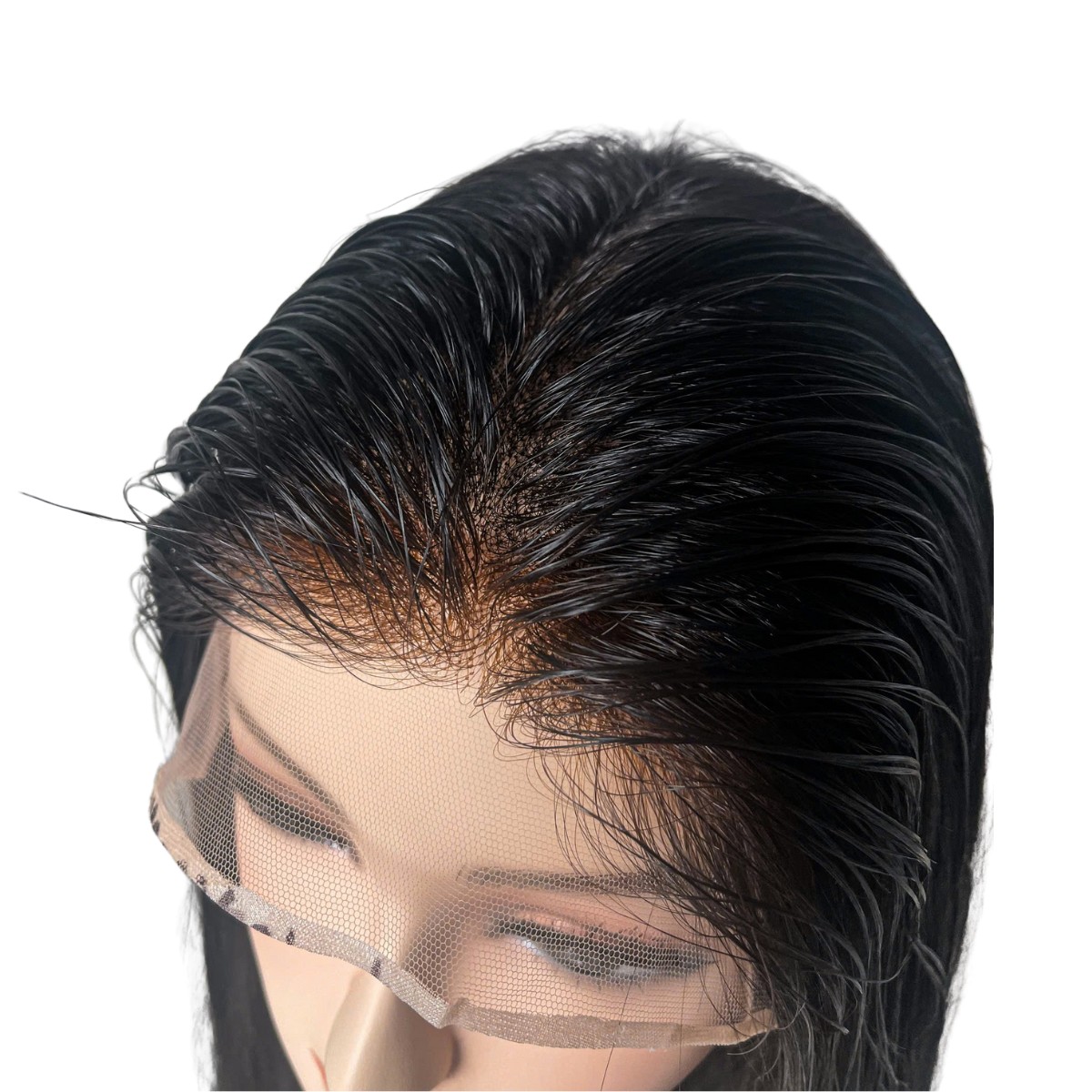
Polyurethane (Skin) Bases: Seamless but Different
Polyurethane bases, often called thin skin or poly bases, offer a different approach to seamless integration. They consist of a very thin layer of polymer material.
- How They Work: The base adheres directly and tightly to the scalp, creating a smooth surface. Ultra-thin versions (e.g., 0.03mm – 0.06mm) can look like a second skin, with hair injected or looped into the base to appear as if growing directly from it.
- Pros: Easy adhesive application and cleanup, excellent adhesion creating a very secure fit, potential for very natural appearance with injected hair.
- Cons: Less breathable than lace, can sometimes appear shiny if not using a matte base or adhesive, edges (though thin) can sometimes be felt or seen if not perfectly flat or if the density is too high right at the edge. Thicker poly bases are more durable but less undetectable at the edge.
- Blending Poly Edges:
- Ensure the scalp is perfectly clean and dry.
- Apply a thin, even layer of liquid adhesive or tape.
- Position the system carefully and press down firmly, ensuring the entire edge makes full contact with the scalp without buckling or lifting.
- Wipe away any excess adhesive immediately before it dries.
- A graduated density at the edge is crucial for poly bases to look natural.
Poly skin base integration can be highly effective, especially for those seeking maximum adhesion security and easier maintenance.
✨ A toupee shouldn’t just hide hair loss — make it a style statement!
Hybrid Bases: The Best of Both Worlds?
Recognizing the pros and cons of different materials, many modern hair systems utilize hybrid constructions.
- Common Combinations: A popular design features a lace front for the critical hairline area, combined with a more durable poly perimeter for easier taping and cleaning, and perhaps a monofilament top for durability and breathability.
- Blending Advantages: This approach leverages the strengths of each material. You get the natural hairline from the lace while benefiting from the secure adhesion and easier maintenance of poly on the sides and back. Blending techniques would combine those appropriate for lace at the front and poly elsewhere.
Choosing the right base involves considering your lifestyle (activity level, climate), maintenance preferences, desired level of realism, and budget. Consulting with an expert at Phuc Thien Toupee can help determine the optimal base design for your specific toupee blending needs.
Tip 4: Perfecting Adhesion and Scalp Preparation
Even with the best haircut, color match, and base material, poor adhesion or improper scalp preparation will ruin the blend. A secure, invisible bond between the toupee and your scalp is fundamental. This involves choosing the right adhesive and meticulously preparing the application area. This step directly impacts scalp health and comfort, making it a critical YMYL consideration.
Choosing Your Adhesive Wisely: Tapes vs Glues
Adhesives for hair systems come in two main forms: tapes and liquid glues (bonding adhesives). The choice depends on factors like desired hold time, skin sensitivity, base material, climate, and personal preference.
- Toupee Tapes:
- Types: Come in rolls or pre-cut contours, various widths, and strengths (daily wear, extended wear). Liners can be red, brown, white, or blue, often indicating tackiness or carrier type. Common base materials include acrylic and silicone.
- Pros: Generally easier and cleaner to apply and remove, less chance of seepage, good for sensitive skin (some hypoallergenic options available), predictable hold times.
- Cons: Can sometimes be slightly thicker than a thin layer of glue, might create a slight ridge under very thin bases if not placed carefully, shine can be an issue with some tapes (look for low-profile, matte options).
- Liquid Adhesives (Glues):
- Types: Water-based (often white, dry clear, easier cleanup, gentler) and solvent-based (often clear, provide longer, stronger holds, require specific removers). Available in various hold strengths.
- Pros: Can provide a very flat, undetectable bond (especially under lace), allows for precise application along irregular hairlines, potentially longer hold times than tapes.
- Cons: Application requires more skill (thin, even layers are key), potential for seepage if over-applied, removal can be messier, higher potential for skin irritation for some individuals (solvent-based).
- Skin Sensitivity: Crucially, always perform a patch test with any new adhesive 24-48 hours before full application, typically on the inner arm, to check for allergic reactions or irritation. This is a vital safety step recommended by dermatologists and hair replacement specialists like Phuc Thien.
- Finish: Aim for adhesives with a matte finish to avoid unnatural shine at the hairline or part line.
Many wearers use a combination: tape on the perimeter for security and easier cleanup, and liquid adhesive at the front hairline for maximum undetectability.
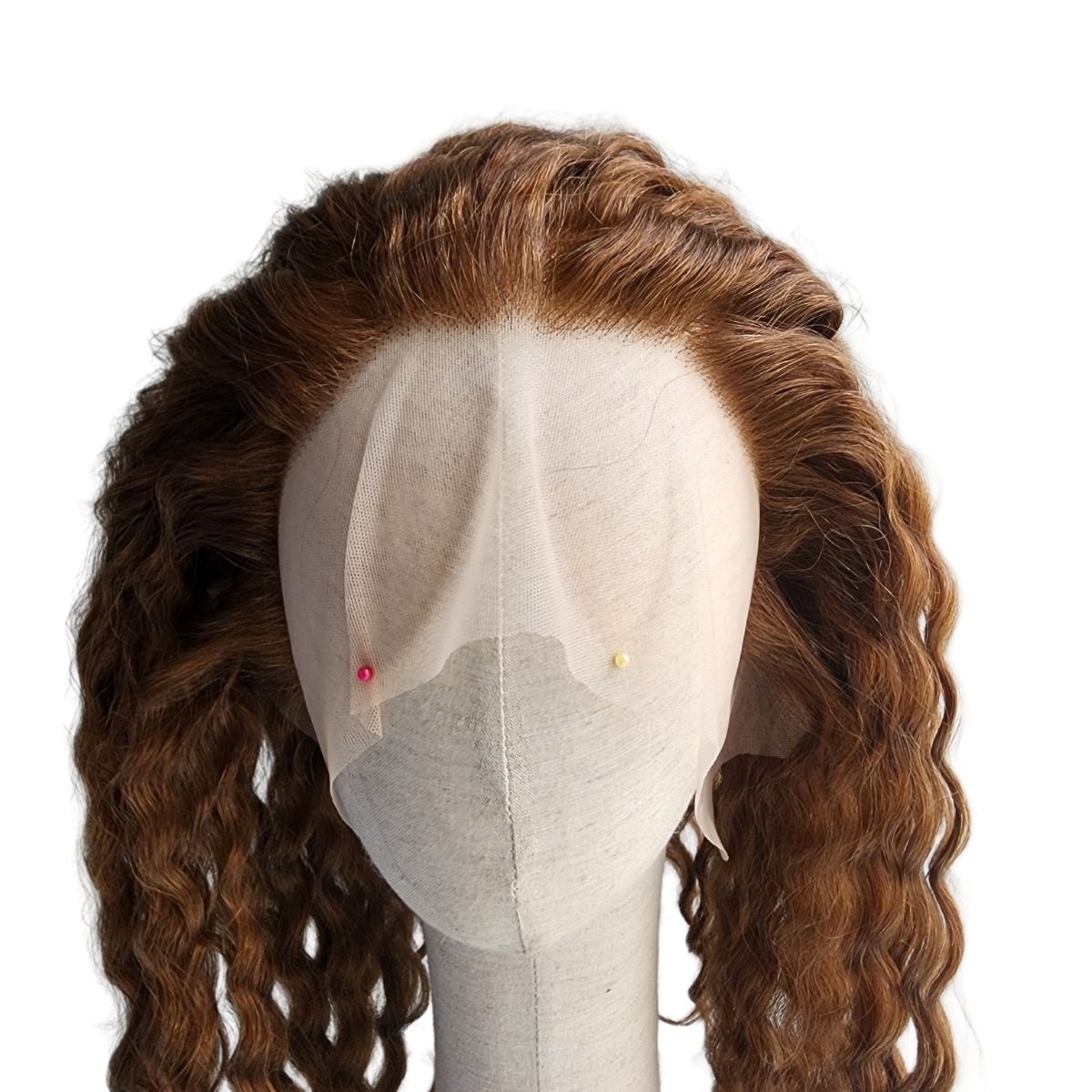
The Crucial Step: Scalp Preparation Protocol
Proper scalp preparation ensures optimal adhesion, extends the wear time, and protects your skin. Skipping this step is a common cause of bonding failure and potential irritation.
Step-by-Step Scalp Prep:
- Cleanse Thoroughly: Remove the old system and any adhesive residue using the appropriate solvent/remover recommended for your adhesive type. Then, wash your scalp using a clarifying shampoo or a specialized scalp cleanser designed for hair system wearers. This removes oils, sweat, residue, and dead skin cells that interfere with bonding. Avoid residue-leaving conditioners on the bonding area.
- Phuc Thien Recommends: Use gentle, circular motions. Rinse thoroughly.
- Dry Completely: Pat the scalp dry with a clean towel. Ensure the scalp is 100% dry. Even slight moisture can compromise the bond. Using a hairdryer on a cool setting can help.
- Exfoliate (Optional but Recommended): Gently exfoliating the scalp bonding area once a week (when the system is off) can remove dead skin buildup, promoting a smoother surface for adhesion. Use a gentle scalp scrub or brush.
- Apply Scalp Protector: This is a vital step. Scalp protectors form a thin barrier between your skin and the adhesive.
- Benefits: Improves adhesion (especially in hot/humid conditions or for oily skin), prevents irritation by blocking contact between the skin and potentially irritating adhesive chemicals, makes cleanup easier.
- Application: Apply a thin layer or two (allowing each to dry) to the entire area where the adhesive will be placed. Common brands include Walker Scalp Protector and No Sweat.
Following this protocol consistently significantly improves the quality and duration of your toupee bond.
Blending the Edges During Application
The final moments of application are critical for edge blending.
- Precise Placement: Carefully position the hair system onto the prepared scalp, starting usually at the front hairline and rolling it back. Ensure it is aligned correctly before pressing down firmly.
- Firm Pressure: Once positioned, apply firm, even pressure across the entire bonded area, paying special attention to the edges. Use your fingers or a specialized tool (like a smooth, hard plastic edge presser) to secure the perimeter, especially the front hairline on lace or thin skin systems. Hold pressure for several seconds in each spot.
- Check for Lifting: Gently check the edges to ensure they are fully secured and lying flat against the scalp. If an edge lifts immediately, you may need a small touch-up of adhesive (applied carefully with a Q-tip or brush).
- Avoid Water/Sweat: Wait the recommended time specified by your adhesive manufacturer (often 12-24 hours) before showering, swimming, or engaging in heavy exercise that causes excessive sweating. This allows the bond to cure fully.
Mastering adhesion and scalp prep takes practice, but it is fundamental to achieving a secure and invisible toupee blend.
🎯 Find the perfect fit and color — shop high-quality men’s hair systems now.
Tip 5: Strategic Density Matching and Transition Zones
Beyond the foundational cut, managing the density of the hair system itself, particularly in relation to your existing hair, is key for a natural look. This involves choosing the right initial density and ensuring smooth transitions where the system meets your bio hair. Phuc Thien Toupee emphasizes customization options for density.
Understanding Natural Hair Density Patterns
As mentioned earlier, natural hair growth is not uniformly dense. Replicating this variation is essential for realism.
- Recap: Density is typically lowest at the front hairline and temples, gradually increasing towards the top, crown, and back.
- The “Toupee Look”: A common mistake is selecting a system with high density all over, especially at the front. This creates an abrupt, unnatural wall of hair that is easily detectable. A 120% or 130% density might sound good, but it can look artificial if your natural hair is finer or sparser. Standard densities often range from Extra Light (around 60%) to Heavy (150%+).
- Matching Your Bio Hair: The goal is to match the system’s density, especially at the perimeter, to your existing hair density in those areas. If your natural hair on the sides is thinning, a very dense system edge placed next to it will look jarring. Research published in dermatological journals often quantifies hair density, highlighting the significant natural variation (e.g., typical Caucasian density around 80-130 hairs/cm² at the vertex, but much lower at the temples).
Accurate density assessment of your own hair is crucial before ordering a system.
Customizing Toupee Density for Realism
The best way to achieve a natural density blend is through customization, either when ordering the system or via adjustments afterward (though the latter is riskier).
- Ordering Custom Density: Reputable suppliers like Phuc Thien allow you to specify density levels, often using percentages or descriptive terms (Light, Medium Light, Medium, etc.). You can request different densities for different zones of the toupee.
- Graduated Hairlines: Specifically request a graduated or feathered hairline. This means the very front edge has the lightest density (e.g., 60-80%), gradually increasing over the first half-inch to inch to the main density of the system (e.g., 100-110%). This mimics natural growth patterns precisely.
- Ventilation Techniques: Techniques like single-split knots or V-looped ventilation (especially on thin skin bases) create a less dense, more natural appearance at the root compared to thicker knots. Random ventilation patterns also look more natural than hairs lined up in perfect rows.
- Post-Purchase Thinning (Use Extreme Caution): While possible for a skilled professional to carefully thin out an overly dense system using thinning shears, this is risky. It’s easy to overdo it, cut the base, or create bald spots. It is far better to get the density right when ordering.
Investing in custom density tailored to your specific needs makes toupee blending significantly easier and more effective.
Creating Smooth Transition Zones
The areas where the edge of the toupee meets your biological hair on the sides and back require careful management to remain undetectable.
- Layering is Crucial: As mentioned in the haircut section, ensure your stylist creates layers in your biological hair that seamlessly integrate with the layers of the hair system. Longer layers from the system can be styled to fall over the shorter layers of your bio hair at the transition line.
- Strategic Overlap: Style your hair so that some strands of your bio hair naturally comb back or blend over the side and back edges of the toupee. Conversely, hair from the system should blend forward into your bio hair.
- Thinning Bio Hair (If Necessary): If your natural hair is significantly thicker right next to the edge of the system, a stylist might very lightly use thinning shears on your bio hair in that immediate zone to create a less abrupt density shift. This requires professional judgment.
- Color Consistency: Ensure the color match is perfect in these transition zones. Any discrepancy will highlight the edge.
- Base Edge Thickness: The thickness of the base material itself influences the transition. Thinner edges (lace, ultra-thin skin) are easier to conceal than thicker edges (some mono or poly bases).
Paying close attention to these transition zones during cutting, styling, and system selection ensures a 360-degree natural look. Seamless toupee side blending and back blending are just as important as the front hairline.
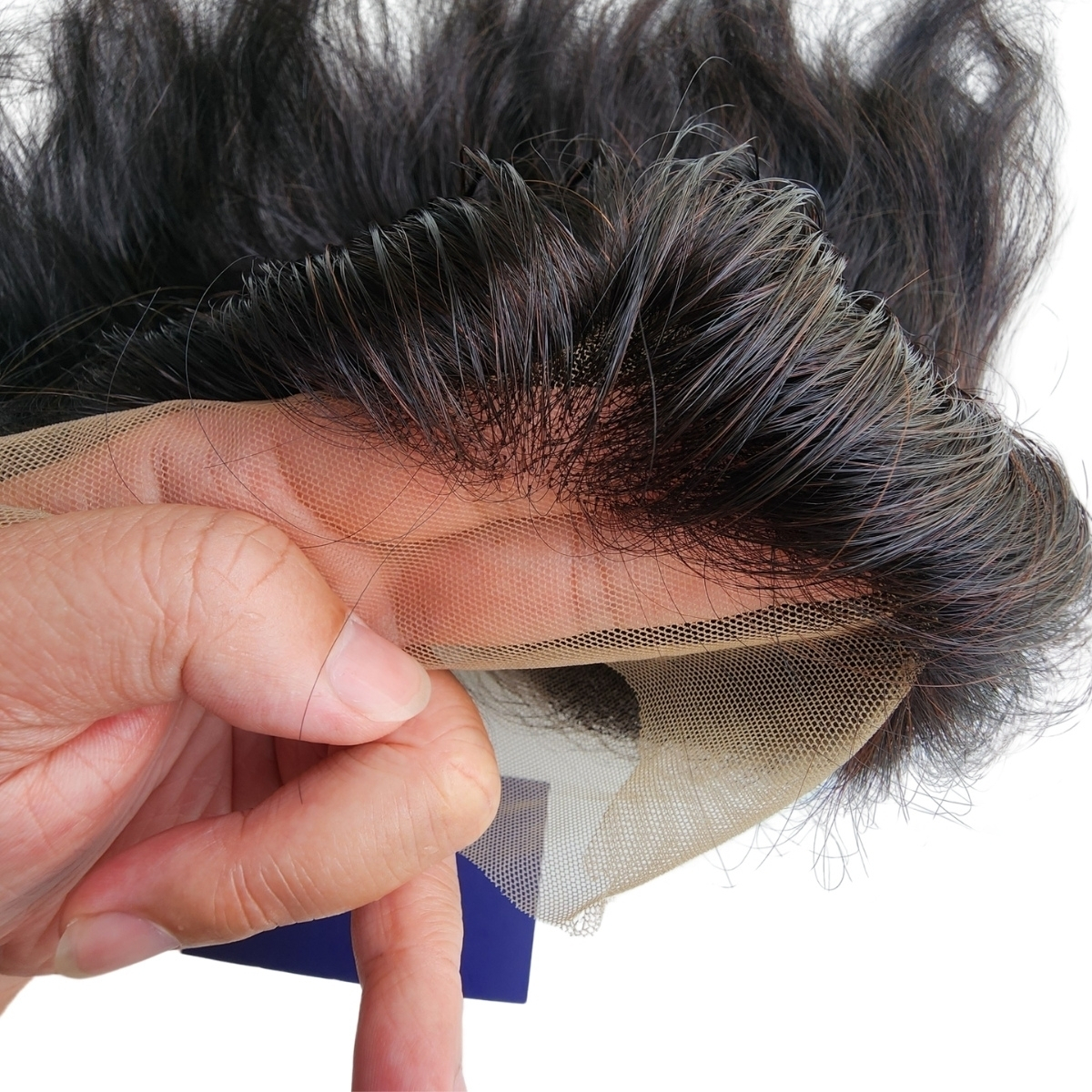
Advanced Toupee Blending Secrets from Phuc Thien Toupee
Beyond the five core tips, several advanced techniques and considerations can elevate your toupee blending game to a truly undetectable level. Phuc Thien incorporates these insights into its consultations and product recommendations.
- Strategic Use of Scalp Concealers/Makeup: For lace front edges that are proving difficult to blend perfectly, a tiny amount of scalp concealer or matte powder foundation, matched precisely to your scalp color, can be carefully stippled along the very edge of the lace after the adhesive has cured. This helps the lace visually merge with the skin. Practice is key; less is more.
- The ‘Zig-Zag’ Part Line: Instead of a perfectly straight, defined part line (which can sometimes expose the base edge or knots), try creating a slightly irregular or zig-zag part. This mimics natural part lines more closely and helps conceal the base. Use a fine-tooth comb to create the part carefully.
- Managing Environmental Challenges:
- Wind: A secure bond is your first defense. Styles with some movement are better than stiff styles. If caught in strong wind, subtly using your hand to shield the hairline can prevent unnatural lifting.
- Water/Swimming: Use a strong waterproof adhesive. Allow the bond to fully cure before swimming. After swimming (especially in chlorine or saltwater), rinse the hair system thoroughly with fresh water as soon as possible, and cleanse/condition appropriately later to prevent damage and color stripping. Some wearers prefer an older system or a dedicated ‘sport’ unit for heavy swimming.
- Importance of Regular Maintenance & Refitting: Adhesives break down over time due to scalp oils, sweat, and environmental factors. Regular removal, cleaning (of both scalp and system), and reapplication (typically every 1-4 weeks, depending on adhesive, skin type, and lifestyle) are essential not just for hygiene but also for maintaining a secure, flat, blended edge. A lifting edge is an instant giveaway.
- Professional Touch-Ups: Even with excellent home care, periodic professional servicing helps maintain the system’s integrity, color, and cut, ensuring the blend remains optimal over the lifespan of the toupee.
Mastering these nuances requires patience and practice, but they represent the difference between a good blend and a truly seamless, undetectable hair integration.
👜 A quick beauty solution for any occasion — find your ready-to-wear hair topper here.
Common Blending Mistakes and How to Avoid Them
Understanding common pitfalls can help you proactively avoid them. Here is a summary of frequent toupee blending errors:
| Mistake | Why It Happens | How to Avoid / Fix |
| Visible Front Hairline | Poor adhesive application, wrong base type, density too high, thick knots, poor cut, edge lifting. | Use thin lace/skin base, ensure graduated density, use matte clear adhesive precisely, press edge firmly, consider knot bleaching, get professional cut. |
| Color Mismatch | Relied on inaccurate swatches, ignored undertones, oxidation occurred. | Get professional color analysis in natural light, request custom multi-tonal blend, use toning products for oxidation, periodic professional re-coloring. |
| Unnatural Density | Chose system too dense overall or at hairline, poor transition to bio hair. | Order custom density matching bio hair, insist on graduated hairline, ensure stylist blends density at transition zones. |
| Texture Inconsistency | Toupee texture doesn’t match bio hair (e.g., straight vs wavy). | Carefully match texture when ordering, choose appropriate ethnic hair type, consider system texture if bio hair is chemically treated. |
| Obvious Part Line | Part is too straight/wide, base material visible. | Create a slightly zig-zag or imperfect part, ensure knots are bleached/small, consider thinner base materials (lace/thin skin). |
| Adhesive Shine/Seepage | Used shiny adhesive, applied too much glue, didn’t clean edges. | Choose matte finish adhesives/tapes, apply thin layers of glue, wipe away excess immediately, use scalp protector. |
| Poor Cut/Integration | Blunt cut, no layering, system/bio hair cut separately. | Use stylist experienced in hair systems, insist on cutting system & bio hair together, request layers and blending at transitions. |
| Lifting Edges | Poor scalp prep, weak/old adhesive, insufficient pressure during application, bond not cured. | Follow strict scalp prep protocol, use fresh/strong adhesive, apply firm pressure to edges, allow full cure time before water/sweat. |
Being aware of these potential issues allows you to focus on the correct techniques from the start, maximizing your chances of achieving flawless hair system matching.
Avoid common errors: Solve Toupee Problem Solving and prevent Toupee Mistakes for a flawless finish
Recommended Toupee Blending Products and Tools
Having the right arsenal of products and tools is essential for successful toupee blending. While specific brand recommendations depend on individual needs and sensitivities, here are the categories of items Phuc Thien Toupee suggests considering:
- Adhesives:
- Liquid Glues: Water-based (e.g., Ghost Bond variants, Great White) for easier cleanup/sensitive skin; Solvent-based (e.g., Walker Ultra Hold, Max Adhere 360) for stronger, longer holds. Look for matte finish.
- Tapes: Daily wear tapes (e.g., 3M Clear), Extended wear tapes (e.g., Walker No Shine, Blue Liner, Super Tape). Choose contours or rolls based on preference. Look for thin, low-profile, no-shine options.
- Adhesive Solvents/Removers: Choose based on your adhesive type. Citrus-based (e.g., C-22) are less harsh but may require more effort; Alcohol-based work quickly but can be drying; Solvent-based removers (specific to adhesive lines) work effectively on strong bonds. Use in a well-ventilated area.
- Scalp Cleansers/Shampoos: Clarifying shampoos or specialized scalp pre-application cleansers (e.g., Walker Bond Breaker Shampoo) to remove all oils and residues.
- Scalp Protectors: Essential for barrier formation and improved adhesion (e.g., Walker Scalp Protector, No Sweat Antiperspirant).
- Styling Products (System-Friendly): Water-soluble pomades, waxes, creams, or light-hold hairsprays. Avoid products heavy in alcohol or oils near the base. Look for UV protection.
- Application Tools:
- Small brushes or spatulas for applying thin layers of liquid glue.
- Fine-tooth comb for parting and styling.
- Wide-tooth comb for gentle detangling.
- Hair clips for sectioning bio hair during application.
- Edge pressing tool (smooth, hard plastic or wood) for securing edges.
- Small, sharp scissors for trimming tape or occasional stray hairs (use carefully).
- Maintenance Tools:
- Mirror (handheld and wall-mounted) for visibility during application/styling.
- Mannequin head/stand for storing, cleaning, and styling the system when off-head.
Investing in quality products specifically designed for hair systems ensures better results and helps protect your investment and your scalp health.
Phuc Thien Toupee Co., Ltd
Design Brand: Royal Hair Vietnam
Office Address:
🏢 Room A909, Decapella Building, 116 Luong Dinh Cua Street, An Khanh Ward, Thu Duc City, Ho Chi Minh City 700000, Vietnam
Factory Address:
🏭 No. 26/9, Street 57, Thuong Hamlet, Tan Thong Hoi Ward, Cu Chi District, Ho Chi Minh City 700000, Vietnam
Email: ✉️ phucthientoupeevn@gmail.com
Phone / WhatsApp: 📞 +84 933 901 196
Websites: 🌐 phucthientoupee.com – 🌐 royalhair.shop



