
- 13/06/2025
- Posted by: phucthien
- Categories: Blog, Care, Attachment & Repair
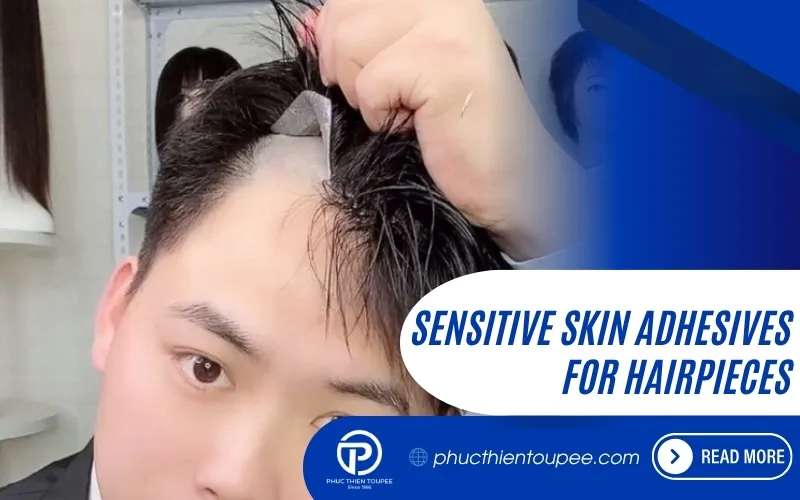
Sensitive Skin Adhesives for Hairpieces: Choosing Your Best Option
We understand the frustration of irritation and discomfort when trying to achieve your desired look. Say goodbye to redness and itching and hello to comfortable, confident hairpiece wear.
Understanding Sensitive Skin and Hairpiece Adhesives
Wearing a hairpiece can be a fantastic solution for hair loss or to change up your style. Let’s break down the problem and potential solutions.
- What Constitutes Sensitive Skin?: Sensitive skin is a condition where the skin is more prone to inflammation or adverse reactions from various stimuli. According to the American Academy of Dermatology, about 50% of people report having some degree of sensitive skin.
- Common Irritants in Hairpiece Adhesives: Many conventional hairpiece adhesives contain chemicals that can trigger reactions in sensitive skin. Latex: A common allergen for many individuals. Solvents: Can dry out the skin and cause irritation. Phuc Thien understands these concerns and will guide you towards safer alternatives.
- The Importance of Choosing the Right Adhesive: Selecting the right adhesive is crucial for comfortable and confident hairpiece wear. By opting for adhesives designed for sensitive skin, you can avoid these problems and enjoy the benefits of wearing a hairpiece without the negative side effects.

Top 4 Sensitive Skin Adhesives for Hairpieces
Here are four types of adhesives that are generally well-tolerated by people with sensitive skin.
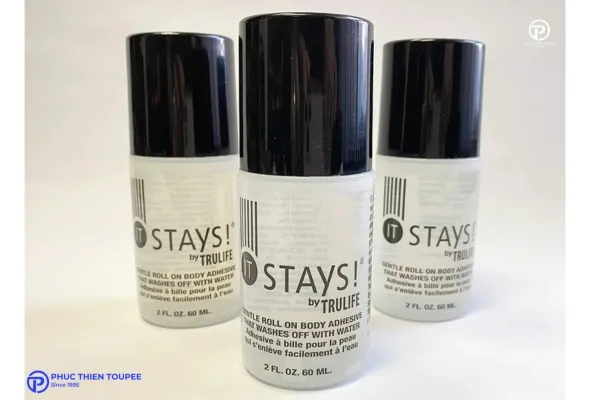
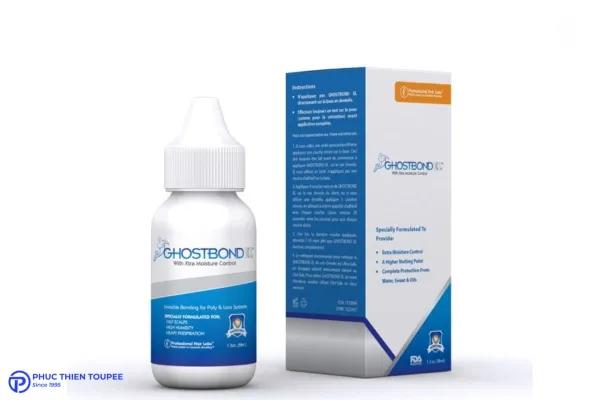
- 1. Hypoallergenic Acrylic Adhesives: The Balanced Choice: What it is: These are liquid or tape adhesives based on acrylic polymers, but specifically formulated to minimize the risk of allergic reactions. Manufacturers achieve this by removing common irritants and allergens often found in standard acrylic glues, such as latex, harsh solvents, or specific chemical stabilizers known to cause contact dermatitis.
- 2. Medical-Grade Silicone Adhesives: The Ultra-Gentle Option: What it is: These adhesives utilize silicone polymers, materials renowned for their biocompatibility.
- 3. Water-Based Copolymer Adhesives: The Low-Odor, Easy Cleanup Choice: What it is: These adhesives primarily use water as the solvent (the liquid carrier for the adhesive ingredients) instead of harsher chemical solvents. Great White Adhesive by True Tape (Liquid): Another popular water-based option marketed towards sensitive skin users, emphasizing easy cleanup.
- 4. Hairpiece Tapes for Sensitive Skin: The Convenient, No-Mess Solution: What it is: These are pre-made, double-sided adhesive strips or rolls specifically designed for hair system attachment. Sensitive skin versions utilize hypoallergenic acrylic or medical-grade adhesives on a flexible carrier material (like polyurethane or cloth).
Choosing the Right Adhesive: A Step-by-Step Guide by Phuc Thien
- Step 1: Identify Your Skin Type: Understanding your skin type is the first step. Extremely sensitive: Reacts easily to most products.
- Step 2: Consider Your Lifestyle: Your lifestyle will impact the type of adhesive that’s best for you. Activity Level: If you exercise or sweat heavily, you’ll need a more water-resistant adhesive.
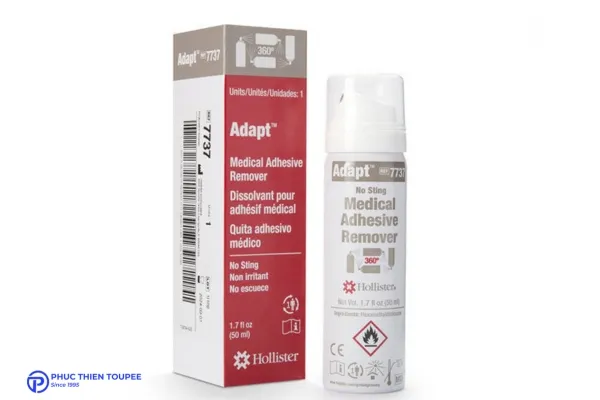
- Step 3: Read Product Labels Carefully: Hypoallergenic: Indicates a lower risk of allergic reactions. Dermatologist-Tested: Suggests the product has been tested and is likely safe for sensitive skin.
- Step 4: Perform a Patch Test: Before applying any adhesive to your entire scalp, perform a patch test. Clean: Clean a small area of skin behind your ear or on your inner arm. Apply: Apply a small amount of the adhesive to the area. Wait: Leave the bandage in place for 24-48 hours. If you experience any of these symptoms, do not use the adhesive.
- Step 5: Consult with a Professional: If you’re unsure which adhesive is right for you, consult with a hairpiece specialist or dermatologist. Phuc Thien’s team can provide personalized recommendations based on your individual needs and skin type.
Tips for Minimizing Skin Irritation
Even with the right adhesive, there are steps you can take to further minimize skin irritation.
- Proper Skin Preparation: Cleanse: Always cleanse your scalp thoroughly before applying any adhesive. Exfoliate: Gently exfoliate your scalp 1-2 times per week to remove dead skin cells and prevent buildup. Protect: Apply a skin protectant or scalp barrier to create a protective layer between your skin and the adhesive.
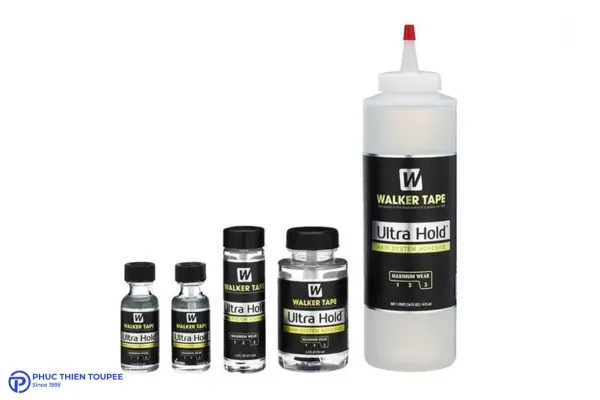
- Proper Application and Removal: Apply Thinly: Apply the adhesive in a thin, even layer. Too much adhesive can trap moisture and irritate the skin. Follow Instructions: Always follow the manufacturer’s instructions for application and removal.
- Maintenance and Hygiene: Clean Regularly: Clean your hairpiece regularly to remove buildup of dirt, oil, and adhesive residue. Rotate Hairpieces: If possible, rotate between multiple hairpieces to give your scalp a break. Monitor Your Skin: Regularly monitor your scalp for any signs of irritation. If you notice any redness, itching, or swelling, discontinue use of the adhesive and consult with a dermatologist.
Real-World Examples
Sarah, 35, with eczema: Sarah has extremely sensitive skin and suffers from eczema flare-ups. She should opt for a medical-grade silicone adhesive and follow a strict skincare routine to minimize irritation. David, 50, active lifestyle: David is an avid runner and sweats heavily. Maria, 60, occasional wear: Maria only wears her hairpiece for special occasions. She can opt for a hypoallergenic acrylic adhesive or hairpiece tape for easy application and removal.