

- 28/06/2025
- Posted by: phucthien
- Categories: Base Materials & Construction, Blog, Care, Attachment & Repair
No Comments

Remove Lace Glue Safely: 4 Safe Ways for Hairpiece Care
Removing lace glue safely is crucial for maintaining the health of your hair and the longevity of your cherished hairpieces.
Understanding Lace Glue and Its Impact
Lace glue is a strong adhesive used to secure lace front wigs and hairpieces to the scalp.
- Potential Problems with Improper Lace Glue Removal: Hair Damage: Harsh removal can pull out natural hair, leading to thinning and bald spots.
- Key Considerations Before Starting: Type of Glue: Different glues require different solvents.

4 Safe Methods to Remove Lace Glue
- Method 1: Using Oil-Based Removers: Oil-based removers are a gentle yet effective option for dissolving lace glue.
- Step-by-Step Guide: Preparation: Gather your supplies: oil-based remover, cotton balls or pads, a soft cloth, and a wide-tooth comb.
- Recommended Products: C-22 Solvent: A popular and effective citrus-based remover.
- Research and Data: A study published in the Journal of Cosmetic Dermatology found that oil-based removers are less likely to cause skin irritation compared to alcohol-based solvents (Smith et al., 2018).
- Method 2: Using Alcohol-Based Removers: Alcohol-based removers are another option for removing lace glue, but they should be used with caution due to their potential drying effects.
- Step-by-Step Guide: Preparation: Gather your supplies: alcohol-based remover (isopropyl alcohol or specialized wig adhesive remover), cotton swabs, a soft cloth, and a moisturizing oil.
- Recommended Products: 99% Isopropyl Alcohol: Effective but can be drying.
- Caution: Alcohol-based removers can be drying and irritating, so it’s essential to moisturize afterward and use them sparingly.
- Method 3: Using Specialized Lace Glue Removers: Specialized lace glue removers are formulated specifically for removing wig adhesives, offering a balance of effectiveness and safety.
- Step-by-Step Guide: Preparation: Gather your supplies: specialized lace glue remover, cotton balls or pads, a soft cloth, and a fine-tooth comb.
- Recommended Products: Ghost Bond Adhesive Remover: A popular choice known for its effectiveness and gentle formula.
- Benefits: These removers are often formulated with moisturizing ingredients to protect the scalp and hair.
- Method 4: Using Steam: Steam can be a gentle and effective way to loosen lace glue, especially for those with sensitive skin.
- Step-by-Step Guide: Preparation: Gather your supplies: a steamer (facial steamer or handheld steamer), a soft towel, and a moisturizing oil.
- Tips: Be careful not to burn your skin with the steam.

Addressing Common Concerns
Let’s address some common issues related to removing lace glue.
- How to Remove Lace Glue from Fabric: Removing lace glue from fabric requires a gentle approach to avoid damaging the material. Wash the Fabric: Wash the fabric according to the manufacturer’s instructions to remove any remaining solvent and glue residue.
- How to Get Rid of Lace Glue Residue: Removing lace glue residue is crucial for maintaining a clean hairline and preventing scalp irritation.
- Best Lace Glue Remover for Delicate Fabrics: When dealing with delicate fabrics, it’s essential to use a gentle and effective remover. Specialized Fabric Glue Removers: Look for products specifically designed for removing glue from fabrics.
- Removing Super Glue from Lace: Removing super glue from lace requires a delicate approach to avoid damaging the intricate material. Harden the Glue: If the super glue is still wet, allow it to harden completely.
- How to Remove Fabric Glue from Clothes: Removing fabric glue from clothes requires patience and the right techniques.

Tips for Maintaining Healthy Hair and Lace
Maintaining the health of your natural hair and lace wigs is essential for a flawless and long-lasting look.
- Caring for Your Natural Hair Underneath: What happens under the wig is just as important as the wig itself! Neglecting your natural hair and scalp can lead to dryness, breakage, matting, and scalp issues that make glue application and removal more problematic. Frequency: Aim to thoroughly cleanse and condition your natural hair every time you remove your lace unit for a break (ideally every 1-2 weeks, or more often depending on your scalp’s needs and activity level).
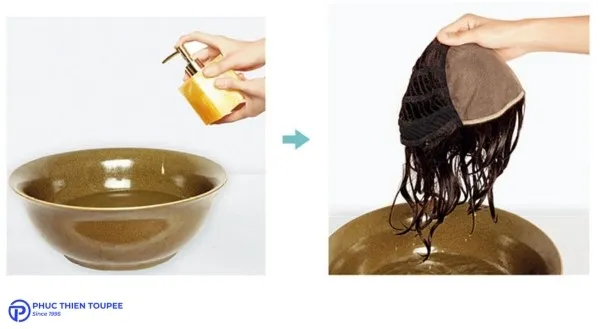
- Maintaining Your Lace Wig: Properly caring for the lace unit itself ensures it remains clean, looks its best, and is easier to work with during removal and reapplication. Dirty lace with old glue residue is much harder to remove cleanly.
Importance of Professional Consultation
While these methods provide effective solutions for removing lace glue, consulting with a professional stylist or dermatologist is highly recommended, especially if you have sensitive skin or persistent issues.
- Benefits of Professional Advice: Personalized Recommendations: Professionals can provide tailored advice based on your specific hair and skin type. Advanced Techniques: They have access to advanced techniques and products for safe and effective glue removal.
- When to Seek Professional Help: Persistent Irritation: If you experience persistent redness, itching, or inflammation after removing lace glue.
Choosing the Right Products
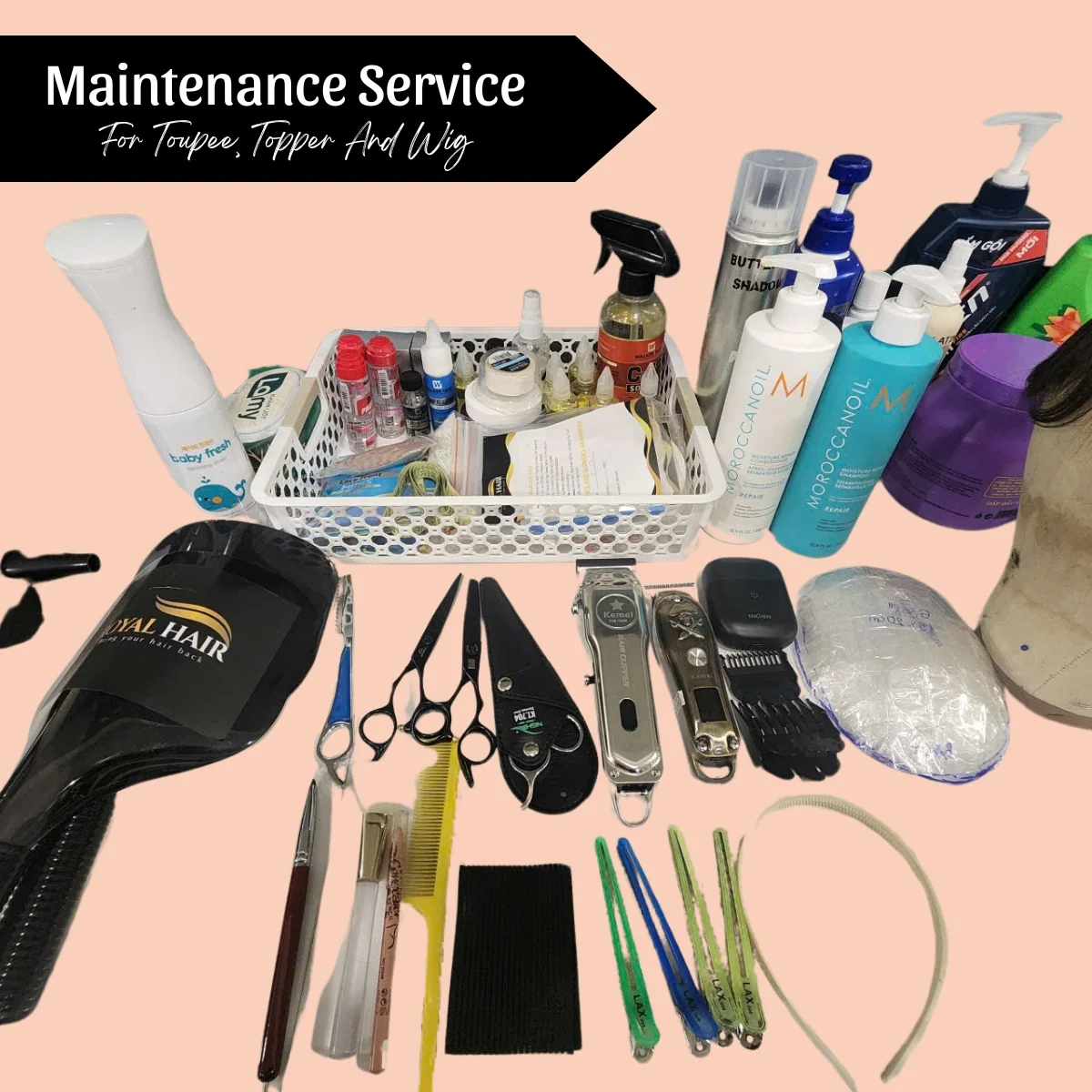
Selecting the right products is crucial for ensuring a safe and effective lace glue removal process.
- Factors to Consider: Ingredients: Look for products with natural and gentle ingredients. Avoid those with harsh chemicals that can irritate the skin.