

- 20/05/2025
- Posted by: phucthien
- Category: Blog

Hairpiece color matching is the crucial first step in achieving a seamless and confident new look. Finding a hairpiece that blends flawlessly with your natural hair is now simpler than ever with expert guidance. Phucthientoupee empowers you to discover the ideal shade, boosting your self-assurance and creating an undetectable, stylish transformation.
Ready for a hairpiece that looks and feels like your own? Let’s explore proven color-matching techniques.
Understanding the Fundamentals of Hair Color
Before diving into matching techniques, grasping the basics of hair color science is beneficial. Natural hair color isn’t just one solid shade; it’s a complex interplay of pigments, levels, and tones.
Hair Color Levels
Hair color is typically categorized using a level system, ranging from 1 (Black) to 10 (Lightest Blonde). This system provides a standardized way to describe the lightness or darkness of hair.
| Level | Description | Example Shades |
| 1 | Black | Jet Black, Blue Black |
| 2 | Darkest Brown | Very Dark Brown, Soft Black |
| 3 | Dark Brown | Chocolate Brown, Deep Brown |
| 4 | Medium Brown | Chestnut Brown, Natural Brown |
| 5 | Light Brown | Ash Brown, Golden Brown |
| 6 | Dark Blonde | Honey Blonde, Dirty Blonde |
| 7 | Medium Blonde | Natural Blonde, Beige Blonde |
| 8 | Light Blonde | Ash Blonde, Golden Blonde |
| 9 | Very Light Blonde | Platinum Blonde, Champagne Blonde |
| 10 | Lightest Blonde | Pale Blonde, White Blonde |
Understanding your approximate hair level is the first step in narrowing down color options.
✨ A toupee shouldn’t just hide hair loss — make it a style statement!
Hair Color Undertones
Beyond the level (darkness/lightness), hair has undertones – the subtle hues visible beneath the surface color. These are typically categorized as:
- Warm: Reds, oranges, golds, yellows (e.g., Golden Brown, Auburn, Honey Blonde).
- Cool: Blues, violets, greens (e.g., Ash Brown, Platinum Blonde, Blue Black).
- Neutral: A balance between warm and cool tones, often appearing muted or without strong underlying hues (e.g., Natural Brown, Natural Blonde).
Identifying your hair’s undertone is critical for a seamless match. Placing a hairpiece with warm undertones against natural hair with cool undertones (or vice versa) will create a noticeable contrast, even if the level is correct. Skin tone also plays a role here, as choosing a hairpiece color that complements your skin’s undertones enhances the overall natural look.
Find your perfect shade: Master Hairpiece Color and Length for flawless results
Natural Color Variation
Rarely is natural hair one single, uniform color. Observe closely, and you’ll likely find:
- Highlights: Lighter strands, often naturally occurring from sun exposure or inherent variation.
- Lowlights: Darker strands providing depth and dimension.
- Subtle Shifts: Hair can appear slightly different in various lighting conditions (natural daylight, indoor lighting). The ends might be lighter than the roots. Graying hair introduces silver, white, or gray strands, adding complexity.
A high-quality hairpiece often incorporates these variations for maximum realism. Therefore, matching involves finding a base color and considering the blend of tones present in your natural hair.
Now, let’s explore the four primary techniques Phucthien recommends for achieving the perfect hairpiece color match.

Technique 1: Utilizing Natural Hair Samples
This is often considered the gold standard for achieving the most accurate hairpiece color matching. By providing a physical sample of your own hair, manufacturers like Phucthientoupee can precisely replicate its unique color characteristics.
Why Hair Samples Are Effective
- Captures Unique Nuances: A physical sample shows the exact level, undertones, highlights, lowlights, and even texture variations present in your hair.
- Accounts for Graying: If your hair is graying, a sample accurately represents the percentage and distribution of gray strands, allowing for a perfectly blended hairpiece.
- Eliminates Guesswork: Unlike relying on photos or generic color charts, a hair sample provides tangible, accurate color information directly from the source.
Step-by-Step Guide to Collecting Hair Samples
Precision in collecting the sample is key to the success of this method. Follow these steps carefully:
- Ensure Hair is Clean and Dry: Wash your hair with your regular shampoo and conditioner, ensuring no styling products (gels, sprays, mousses) remain. Product residue can alter the perceived color. Let your hair air dry completely.
- Choose the Right Location(s): Natural hair color often varies across the head. For the most accurate blend, collect samples from several key areas:
- Front: Near the hairline where the hairpiece will meet your forehead (if applicable).
- Top: The crown area.
- Sides: Above the ears.
- Back: At the nape of the neck or lower back of the head.
- Phucthien Tip: If your hair color is relatively uniform, a sample from the back or top might suffice. If you have significant variations (e.g., lighter front, darker back), providing samples from multiple areas is highly recommended.
- Gather Sufficient Hair: For each sample location, you need a cluster of strands.
- Length: Aim for samples that are at least 1.5 to 2 inches (4-5 cm) long. Longer samples provide more color information.
- Thickness: Gather enough strands so that when bundled together, they are about the thickness of a pencil lead (approx. 1/8 inch or 3mm diameter). This ensures the color is dense enough to be accurately assessed.
- Cut, Don’t Pluck: Use sharp scissors to cut the sample close to the scalp. Plucking can damage the root and potentially alter the strand structure slightly.
- Secure the Sample: Immediately secure the cut end of the sample. You can use:
- Clear tape wrapped tightly around the cut end.
- A small rubber band.
- Stapling the sample to a piece of white paper (labeling the location).
- Phucthien Important Note: Ensure all strands are aligned in the same direction (root end together, tip end together). This maintains the natural color flow.
- Label Clearly: If taking samples from multiple areas, label each one clearly (e.g., “Front Hairline,” “Crown,” “Right Side,” “Back”). Use a piece of paper or a small labeled bag for each sample.
- Package Securely: Place the labeled samples in a sealed plastic bag or envelope to protect them during transit. Ensure they are kept flat and untangled.
How Phucthien Utilizes Your Hair Samples
When Phucthien Toupee receives your hair samples, our color specialists analyze them under controlled lighting conditions. They assess:
- Base color level and undertone.
- Percentage and distribution of highlights, lowlights, or gray hairs.
- Subtle color shifts along the hair shaft.
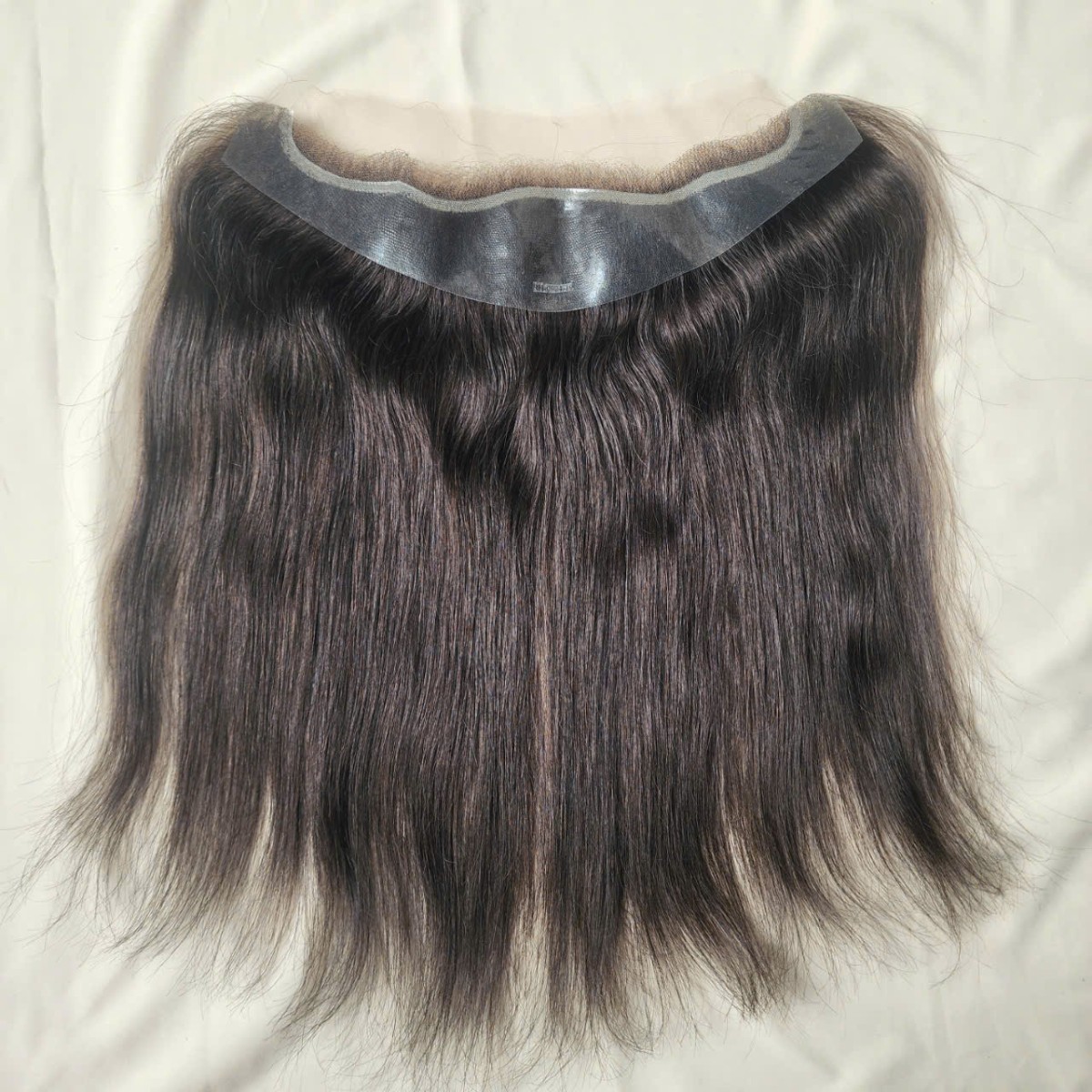
This information is then used to either select the closest matching stock color blend or, for custom orders, to meticulously hand-blend different hair colors to perfectly replicate your natural hair’s unique signature.
Pros and Cons of Hair Sample Matching
Pros:
- Highest Accuracy: Directly matches your unique hair color characteristics.
- Ideal for Complex Colors: Excellent for multi-tonal hair, highlights, lowlights, and gray blending.
- Objective: Removes subjective interpretation inherent in photos or memory.
Cons:
- Requires Cutting Hair: Some individuals may be hesitant to cut samples, especially if hair is already thinning.
- Time Factor: Requires time to collect, send, and have the samples analyzed.
- Potential for Change: If your natural hair color changes significantly (e.g., new dye job, rapid graying) between sending the sample and receiving the hairpiece, adjustments might be needed.
Using hair samples remains a highly recommended technique by Phucthien for anyone seeking the most seamless hair replacement color integration.
🔍 Looking for a specific size, base, or hair color? Order a fully personalized toupee now!
Technique 2: Utilizing Hairpiece Color Rings
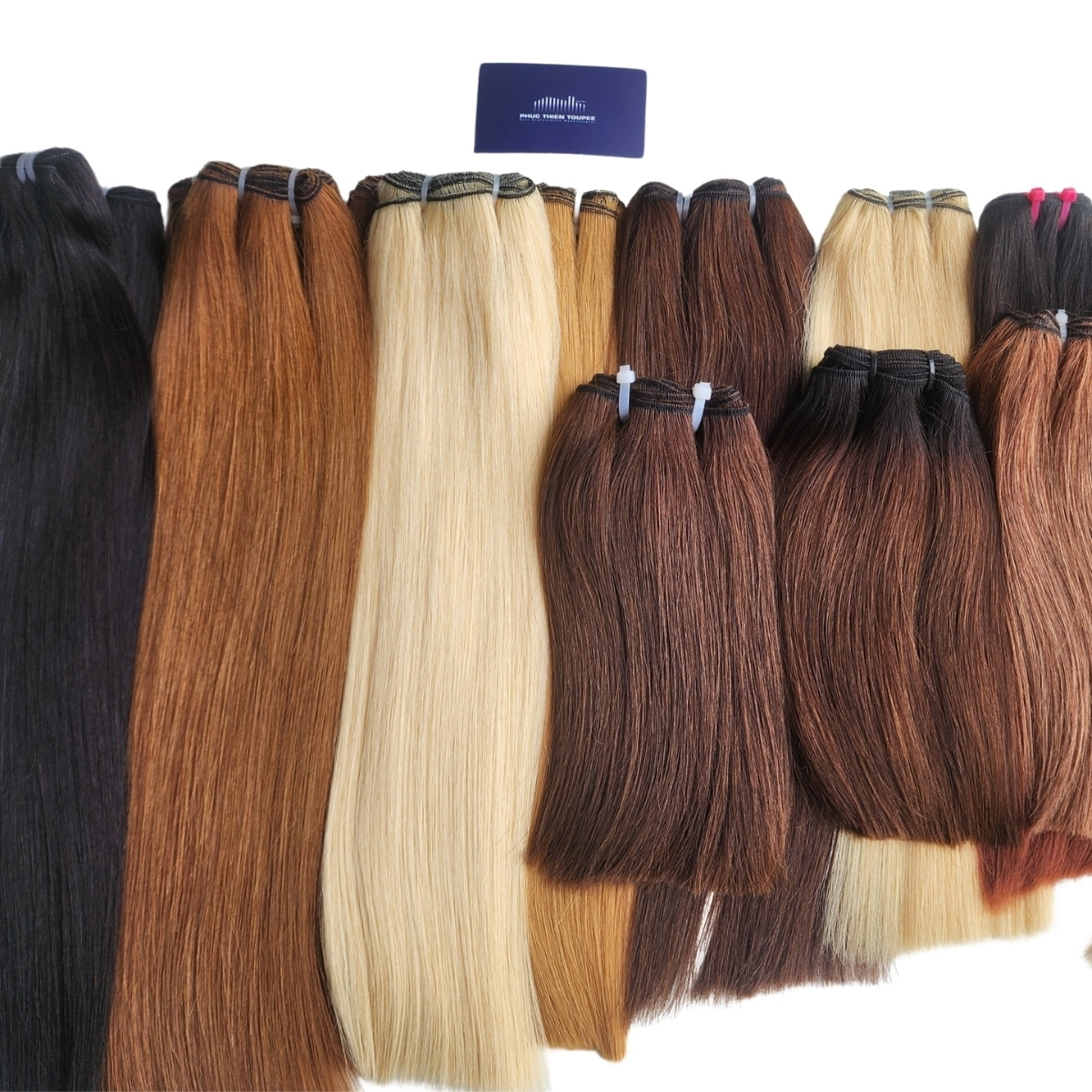
Color rings are industry-standard tools used by hairpiece manufacturers and stylists. They consist of swatches of actual hair (synthetic or human, depending on the ring) representing the different colors and blends offered by a specific brand.
Understanding Color Rings
- Brand Specificity: It is crucial to use the color ring specific to the brand you are purchasing from (e.g., a Phucthien Toupee color ring for a Phucthien hair system). Colors can vary significantly between manufacturers, even if they have similar names (e.g., “Dark Brown”).
- Material Matters: Ensure the color ring matches the hair type you intend to purchase. Human hair color rings show the nuances of natural hair, while synthetic rings display synthetic fiber colors. They absorb and reflect light differently.
- Range of Colors: A comprehensive color ring will showcase a wide array of base colors, blended shades, and often gray percentages (e.g., 10% gray, 20% gray, etc., mixed with a base color).
Step-by-Step Guide to Using a Color Ring
Using a color ring effectively requires careful observation and the right environment:
- Obtain the Correct Color Ring: Contact Phucthien Toupee or your supplier to acquire the appropriate color ring for the hair system line you are interested in. Some suppliers offer loan programs or purchase options for color rings.
- Prepare Your Hair: Ensure your natural hair is clean, dry, and free from styling products.
- Choose Optimal Lighting: This is the most critical step. Natural daylight is the best light source for accurate color matching. Avoid:
- Direct, harsh sunlight (can wash out colors).
- Fluorescent lighting (often has a cool/green cast).
- Warm incandescent lighting (can add yellow/orange tones).
- Phucthien Recommendation: Stand near a window on a bright, overcast day or in shaded daylight outdoors. Observe the colors under different natural light conditions if possible.
- Isolate Hair Sections: Separate a section of your own hair, similar in thickness to the swatches on the ring.
- Compare Swatches: Hold the color ring up against your natural hair section. Do not hold the swatch on top of your hair, but rather slightly overlapping or directly beside it.
- Focus on the Ends: For most people, the ends of their hair best represent the overall color, especially if the roots are darker due to regrowth or less sun exposure. Match the swatch primarily to the mid-lengths and ends of your hair. However, consider your roots if they will be visible near the hairpiece edge.
- Check Undertones: Look beyond the primary color level (darkness/lightness). Does the undertone of the swatch (warm, cool, neutral) match your hair’s undertone? An Ash Brown swatch will clash with Golden Brown hair, even if both are Level 5.
- Consider Blends: If your hair has natural highlights or lowlights, look for blended swatches on the ring that mimic this variation. A solid color swatch might look too flat against multi-tonal hair.
- Assess Gray Percentage (If Applicable): If you have gray hair, compare your hair to the gray percentage swatches. Look for the swatch that most accurately reflects the amount and distribution of gray in your hair. This often requires careful observation.
- Seek a Second Opinion: If possible, ask a trusted friend or family member for their opinion, ensuring they also view the comparison in natural daylight.
- Record Your Choice: Note down the exact color code(s) from the swatch(es) that provide the best match.
Pros and Cons of Using Color Rings
Pros:
- Tangible Comparison: Allows you to see and feel the actual hair color and texture (if using the correct ring).
- Widely Available: Standard tool used across the industry.
- Good for Standard Colors: Effective for matching common, relatively uniform hair colors.
- Shows Blends: Many rings include pre-blended and gray percentage options.
Cons:
- Brand Specificity Required: Using the wrong brand’s ring leads to inaccurate results.
- Lighting Dependent: Accuracy heavily relies on viewing under proper lighting conditions. Incorrect lighting is the most common source of error.
- Limited Customization: Rings show standard options; they cannot perfectly replicate every unique natural hair color variation like a custom blend from a sample can.
- Potential Cost/Access: Acquiring a ring might involve a purchase or deposit.
Color rings are a valuable tool, especially when direct hair sampling isn’t feasible or when choosing from standard color options. Phucthien ensures our color rings accurately represent our available shades.
Technique 3: Professional Salon Consultation
Engaging with an experienced hairstylist or a specialist at a dedicated hair replacement center offers the advantage of expert assessment and personalized advice. This is often the preferred method for those seeking guidance and reassurance.
The Value of Professional Expertise
- Trained Eye: Experienced stylists are skilled at identifying subtle color nuances, levels, and undertones that untrained individuals might miss. They understand how color behaves under different lighting and how it interacts with skin tone.
- Access to Tools: Salons typically have professional color rings (often multiple brands), controlled lighting setups, and potentially digital color analysis tools.
- Holistic Assessment: A stylist can assess your hair color in the context of your overall look, including skin tone, eye color, and even your lifestyle, to recommend the most flattering and practical shade.
- Custom Blending Insights: For complex colors or specific needs (like matching dyed hair or significant graying), a professional can provide invaluable advice on potential custom blending requirements.
- Addressing “Near Me” Intent: Searching for “hairpiece color matching near me” directly leads to this solution – finding local professionals skilled in non-surgical hair replacement.
What to Expect During a Consultation
A professional color matching consultation typically involves:
- Discussion: The stylist will discuss your goals, concerns, lifestyle, and desired look.
- Hair Analysis: Your natural hair will be examined closely under proper lighting (often natural or specialized color-correct lighting). The stylist will assess its level, undertone, texture, density, and any variations (highlights, gray).
- Color Ring Comparison: The stylist will use brand-specific color rings, comparing swatches against your hair methodically.
- Skin Tone Consideration: Your skin tone will be assessed to ensure the chosen hairpiece color is complementary and enhances your features. A color that matches your hair but clashes with your skin can look unnatural. A study published in the International Journal of Cosmetic Science highlights the significant impact of hair color choice relative to skin tone on perceived attractiveness and age.
- Sample Taking (Optional): If a perfect match isn’t found on the standard ring or if custom blending is needed, the stylist may professionally cut hair samples to be sent to the supplier (like Phucthien Toupee).
- Recommendation: Based on the analysis, the stylist will recommend the best stock color(s) or advise on custom color specifications.
- Other Factors: The consultation might also cover base materials, hair density, and attachment methods, providing a comprehensive service.
Finding the Right Professional
- Specialization: Look for salons or stylists specializing in hair replacement systems, toupees, or wigs. General hairstylists may lack specific experience with matching hairpieces.
- Experience: Ask about their experience level specifically with color matching for hair systems.
- Brand Familiarity: Ideally, find a professional familiar with the brand you intend to purchase from (e.g., Phucthien Toupee) as they may have the correct color rings and understanding of the product line.
- Reviews and Referrals: Check online reviews or ask for referrals from trusted sources.
🎨 Your style, your hair — we make it exactly how you want.
Pros and Cons of Professional Consultation
Pros:
- Expert Guidance: Access to professional knowledge and trained eyes reduces the chance of error.
- Personalized Service: Tailored recommendations based on your unique hair and features.
- Convenience: Handles the matching process accurately and efficiently.
- Comprehensive Assessment: Considers factors beyond just hair color (skin tone, etc.).
- Addresses “Near Me”: Provides a local solution for expert help.
Cons:
- Cost: Professional consultations usually involve a fee.
- Availability: Finding a qualified specialist might be challenging in some areas.
- Potential Bias: Ensure the stylist is recommending what’s best for you, not just products they prefer to sell (less of an issue if consulting independently before purchasing online from Phucthien).
For many, especially first-time hairpiece wearers, the reassurance and accuracy offered by a professional consultation make it a worthwhile investment. Phucthien often collaborates with skilled stylists and can sometimes provide recommendations.
Technique 4: Digital Color Matching Tools & Virtual Consultations
In today’s digital age, technology offers convenient alternatives for hairpiece color matching, including online tools, mobile apps, and virtual consultations.
How Digital Tools Work
- Photo Uploads: Many systems involve uploading high-quality photos of your hair taken in specific lighting conditions. Software algorithms analyze the pixels to suggest potential color matches from a database.
- Mobile Apps: Some apps use your phone’s camera along with guided instructions (lighting, distance) to analyze your hair color and compare it against digital swatches.
- Virtual Consultations: This involves a video call with a color expert (like a Phucthien consultant). You show your hair on camera under guided lighting conditions, and the expert uses their trained eye, possibly aided by digital tools on their end, to assess the color and provide recommendations.
Achieving Accuracy with Digital Methods
The accuracy of digital matching heavily depends on several factors:
- Photo/Video Quality: High-resolution images and clear video are essential. Blurry or poorly lit visuals lead to inaccurate analysis.
- Lighting Consistency: This is the biggest challenge. Photos/videos must be taken in bright, indirect natural daylight, avoiding shadows, direct sun, and artificial light sources. Follow the provider’s specific instructions meticulously. Multiple photos in slightly different natural light settings can be helpful.
- Camera and Screen Calibration: The way your camera captures color and the way your screen (and the consultant’s screen) displays color can vary. This introduces potential discrepancies. Professional consultants are aware of this and factor it in.
- User Input: Accurately following instructions for taking photos or participating in a video call is crucial.
Virtual Consultations with Phucthien Toupee
Phucthien offers virtual consultations as a convenient way to access expert advice remotely. During a session:
- A Phucthien color specialist guides you on how to best show your hair on camera.
- They’ll ask you to position yourself near a natural light source.
- They use their expertise to assess color level, undertone, and variations visible via video.
- They can digitally display color swatches alongside your video feed for comparison.
- While potentially less precise than in-person sample analysis, it combines expert judgment with convenience.
✂️ Be unique — create your custom-made toupee today!
Pros and Cons of Digital Matching & Virtual Consultations
Pros:
- Convenience: Can be done from anywhere, saving travel time.
- Accessibility: Provides access to expertise regardless of geographic location.
- Speed: Often provides faster initial recommendations compared to mailing samples.
- Visual Aids: Digital tools can offer side-by-side comparisons on screen.
Cons:
- Accuracy Limitations: Highly dependent on image/video quality and lighting. Cannot fully replicate the accuracy of physical sample matching or in-person assessment.
- Technology Dependence: Relies on good cameras, internet connections, and properly calibrated screens.
- Subtlety Challenges: Capturing extremely subtle highlights, lowlights, or undertone nuances digitally can be difficult.
- Not Ideal for Complex Cases: May be less reliable for intricate gray blends or matching uniquely dyed hair compared to samples or in-person consultation.
Digital tools and virtual consultations are excellent starting points and convenient options, particularly for those comfortable with technology or seeking preliminary advice. Phucthien views them as valuable additions to the color matching toolkit, best used with an understanding of their limitations. For ultimate precision, they are often used in conjunction with subsequent sample matching if needed.

Factors Beyond Natural Hair: Refining Your Color Choice
While matching your existing hair is primary, other factors contribute to selecting the most flattering and natural-looking hairpiece color. Considering these elements ensures a harmonious overall appearance.
Skin Tone Harmony
Your skin’s undertone (cool, warm, or neutral) plays a significant role.
- Cool Skin Tones: (Pink, blue, or ruddy undertones; often burn easily) Generally look best with cool or neutral hair colors like ash browns, cool blondes, jet black, or neutral browns. Avoid overly golden or orange-red shades.
- Warm Skin Tones: (Yellow, golden, or peach undertones; often tan easily) Typically complemented by warm hair colors such as golden browns, caramel, honey blonde, auburn, or chocolate brown. Steer clear of blue-black or ash tones that can make skin look sallow.
- Neutral Skin Tones: (A balance of cool and warm; may have olive undertones) Have the most flexibility and can often wear a wider range of cool and warm shades successfully.
Choosing a hairpiece color that clashes with your skin tone can create an unnatural look, even if it matches your biological hair remnants perfectly. A professional consultation is particularly helpful for determining skin undertones.
Eye Color Complementation
While less critical than skin tone, eye color can influence the best shade. Certain hair colors can make eye colors pop:
- Blue Eyes: Often enhanced by cooler browns, ash blondes, or even deep blacks for contrast. Warm golden or caramel tones can also create a striking look.
- Green Eyes: Complemented by rich browns, copper reds, auburns, and buttery blondes.
- Brown Eyes: Versatile; look great with a wide range of browns, from deep espresso to lighter caramel. Darker hair provides contrast, while warmer tones add richness.
- Hazel Eyes: Can be highlighted by warm browns, golden blondes, or even subtle reddish tones that pick up the gold or green flecks in the eyes.
👨🦱 Ready to wear and natural-looking — explore our men’s stock hairpieces today!
Age Appropriateness
While personal preference reigns, some general considerations regarding age can be helpful:
- Subtlety: As we age, natural hair often softens in color. Opting for slightly less intense shades (e.g., a dark brown instead of jet black, or a softer blonde instead of bright platinum) can look more natural.
- Gray Blending: Incorporating appropriate gray percentages looks authentic for mature individuals. Avoiding unnaturally dark, solid colors prevents a harsh contrast with maturing skin.
- Dimension: Adding subtle highlights or lowlights prevents a flat color look, which can be less flattering as skin texture changes over time.
Lifestyle Considerations
- Sun Exposure: If you spend significant time outdoors, be aware that both natural hair and human hair hairpieces can lighten slightly over time. Synthetic hair is generally more color-fast but can fade with prolonged intense exposure. Choosing a shade slightly deeper initially might be considered, or diligent use of UV-protectant products is advised.
- Maintenance: Lighter blonde shades or vibrant reds may require more diligent maintenance to prevent brassiness or fading compared to darker, more neutral tones.
Considering these additional factors helps refine your choice, moving beyond a simple technical match to selecting a color that truly enhances your overall appearance and suits your life. Phucthien consultants are trained to discuss these aspects during the selection process.
Common Hairpiece Color Matching Mistakes to Avoid
Even with the best intentions, pitfalls can occur. Being aware of common mistakes helps ensure a successful outcome:
- Incorrect Lighting: As emphasized repeatedly, relying on artificial indoor lighting (fluorescent, incandescent) or direct sunlight for color assessment is the most frequent error, leading to inaccurate matches. Solution: Always use bright, indirect natural daylight.
- Matching Only the Roots: Especially if your roots are darker (due to regrowth or less sun), matching only this area can result in a hairpiece that is too dark overall compared to the lengths of your hair. Solution: Focus primarily on matching the mid-lengths and ends, where the bulk of the hairpiece will blend.
- Ignoring Undertones: Choosing the correct level (darkness) but the wrong undertone (warm vs. cool) creates an obvious mismatch. Solution: Pay close attention to whether your hair and the swatch have warm (golden/red) or cool (ash/blue) casts.
- Relying on Old Photos: Your hair color can change over time due to sun exposure, aging, or health factors. Using photos from months or years ago is unreliable. Solution: Use current hair samples or photos taken specifically for matching purposes.
- Choosing a Flat, Single Color (for multi-tonal hair): If your natural hair has highlights, lowlights, or gray strands, selecting a solid-colored hairpiece will look unnatural. Solution: Opt for blended shades or consider custom blending to replicate natural dimension. Phucthien offers expertly pre-blended options.
- Using the Wrong Brand’s Color Ring: Color names and numbers are not universal across manufacturers. Solution: Always use the color ring specific to the hairpiece brand you are purchasing (e.g., Phucthien Toupee ring for Phucthien products).
- Forgetting Skin Tone: Selecting a hair color that technically matches your hair but clashes with your skin tone. Solution: Consider skin tone harmony during the selection process, seeking professional advice if unsure.
- Rushing the Process: Color matching requires careful observation. Making a hasty decision can lead to regret. Solution: Take your time, use the recommended techniques diligently, and seek a second opinion or professional help if needed.
Avoiding these common errors significantly increases your chances of achieving that perfect, undetectable hairpiece color integration.

Matching for Specific Hair Situations
Certain hair conditions require specific considerations during the color matching process:
Graying Hair
- Percentage is Key: The goal is to match the percentage of gray in your natural hair. Phucthien Toupee and other suppliers offer standard gray blends (e.g., 10%, 20%, 40%, 65%, 80% gray mixed with a base color like Dark Brown).
- Distribution Matters: Is your gray evenly distributed, or concentrated in specific areas (e.g., temples)? A hair sample is invaluable here. For standard pieces, choose the overall best percentage match. Custom units can sometimes replicate specific gray patterns.
- Gray Undertones: Gray/white hair isn’t always pure white. It can have slight yellow or blue undertones. A good match considers this.
- Technique: Hair samples are ideal. Color rings with gray percentage swatches are the next best option. Professional consultation is highly recommended for accurate assessment.
Dyed or Chemically Treated Hair
- Match the Current Color: Provide samples or match (using rings/photos) to the current dyed color, not your natural underlying color (unless you plan to let the dye grow out).
- Provide Dyed Samples: If using the hair sample method, ensure the samples reflect the dyed color accurately. If you recently dyed it, wait a wash or two for the color to settle slightly before taking samples.
- Fading Consideration: Dyed hair fades. Inform your consultant or Phucthien about the dye used and how recently it was applied. You might choose a slightly more vibrant match initially if rapid fading is expected, or plan for future color touch-ups on the hairpiece (human hair only).
Unique Hair Textures
While color is the focus here, texture impacts how color is perceived. Coarser hair textures might reflect light differently than fine textures, potentially making the color appear slightly different.
- Consistent Lighting: Ensure matching is done under consistent lighting for both your hair and the sample/swatch.
- Consider Base and Hair Type: Discuss with Phucthien how the chosen base material and hair type (e.g., Remy Indian, European) might interact with the color appearance.
Addressing these specific situations with the appropriate techniques ensures even complex cases can achieve excellent color matching results.
🌸 Lightweight, breathable, and stylish — discover the perfect topper just for you.
Maintaining Your Hairpiece Color
Once you’ve achieved the perfect match, maintaining the color integrity of your hairpiece is essential for longevity and continued natural appearance.
- Use Color-Safe Products: Always wash and condition your hairpiece (especially human hair) with sulfate-free, color-safe products specifically designed for color-treated hair or hair systems. Phucthien can recommend suitable products.
- Minimize Sun Exposure: Prolonged UV exposure can cause fading, particularly in human hair systems. Wear a hat during extended periods outdoors or use UV-protectant sprays designed for hair.
- Avoid Chlorine and Salt Water: These can strip color and damage hair fibers. If swimming, wear a protective swim cap or use specialized pre-swim treatments. Rinse thoroughly immediately after exposure.
- Limit Heat Styling: Excessive heat can damage the hair cuticle and lead to color fading over time. Use heat protectant sprays and opt for lower temperature settings when using styling tools on human hair pieces. Avoid heat entirely on most synthetic fibers unless specified as heat-friendly.
- Professional Refresh (Human Hair): Human hair pieces can sometimes be professionally re-colored or toned by a stylist experienced with hair systems if fading occurs or if you wish to slightly adjust the shade over time. Consult with Phucthien or a qualified professional before attempting this.
Proper care preserves the vibrancy and accuracy of your hairpiece color, extending its life and ensuring it continues to blend seamlessly.

The Phucthien Toupee Approach to Color Matching
At Phucthien Toupee, we understand that accurate hairpiece color matching is fundamental to customer satisfaction and confidence. Our approach integrates expertise, quality materials, and customer-centric service.
- Expert Team: Our color specialists possess extensive experience in analyzing hair samples and understanding the nuances of hair color science.
- High-Quality Hair: We use premium human hair and advanced synthetic fibers that offer realistic color depth and dimension. Our human hair options mimic the natural variations found in biological hair.
- Comprehensive Color Rings: We provide meticulously crafted color rings accurately representing our stock shades, including a wide range of natural colors, blends, and gray percentages.
- Precision Sample Analysis: We prioritize the hair sample matching technique for ultimate accuracy, utilizing controlled lighting and expert assessment to replicate your unique color profile.
- Custom Blending Services: For clients requiring perfect replication of complex colors, highlights, lowlights, or specific gray patterns, Phucthien offers expert custom blending services.
- Supportive Consultations: We offer virtual consultations and responsive customer support to guide you through the color selection process, answering your questions and addressing concerns.
- Guidance and Resources: We provide detailed guides (like this article) and clear instructions for sample collection and color ring usage to empower you to make informed choices.
Phucthien’s commitment is to provide not just a hairpiece, but a solution that integrates flawlessly into your life, starting with the perfect color match. We strive to make the process clear, accurate, and supportive.
Expert tips: Nail Topper Color Matching and explore Blonde Topper Colors for your Human Hair Wig Selection
Conclusion: Your Path to a Perfect Match with Phucthien
Hairpiece color matching is arguably the most critical step in ensuring your hair system looks completely natural and enhances your appearance with confidence. Whether you choose the precision of hair sample analysis, the tangible comparison of a color ring, the expert guidance of a professional consultation, or the convenience of digital tools and virtual support, understanding the nuances of each technique empowers you to achieve seamless integration.
Remember to consider factors like lighting, undertones, natural variations, and how the color interacts with your skin tone. Avoid common pitfalls by being meticulous and patient. For specific situations like graying or dyed hair, utilize the recommended approaches for the best results.
Phuc Thien Toupee Co., Ltd
Design Brand: Royal Hair Vietnam
Office Address:
🏢 Room A909, Decapella Building, 116 Luong Dinh Cua Street, An Khanh Ward, Thu Duc City, Ho Chi Minh City 700000, Vietnam
Factory Address:
🏭 No. 26/9, Street 57, Thuong Hamlet, Tan Thong Hoi Ward, Cu Chi District, Ho Chi Minh City 700000, Vietnam
Email: ✉️ phucthientoupeevn@gmail.com
Phone / WhatsApp: 📞 +84 933 901 196
Websites: 🌐 phucthientoupee.com – 🌐 royalhair.shop



