

- 16/05/2025
- Posted by: phucthien
- Category: Blog

Wig cap construction types are fundamental to the comfort, appearance, and overall satisfaction you’ll experience with your wig. Finding the right wig begins with understanding these constructions, allowing you to confidently select a wig that feels fantastic and looks flawlessly natural. This guide by Phucthien Toupee will equip you with the knowledge to make informed decisions, ensuring a happy and beautiful wig-wearing experience. Let’s explore the world of hairpiece foundations, hair system bases, and cranial prosthesis understructures.
Why Understanding Wig Cap Construction Matters
Selecting the correct wig cap construction is important for several reasons. It affects comfort, breathability, style versatility, and how natural the wig looks. Let’s delve deeper into these aspects:
- Comfort: A well-chosen cap construction can alleviate itching, irritation, and pressure points, especially beneficial for those with sensitive scalps or undergoing medical treatments.
- Natural Appearance: Cap construction contributes significantly to creating a realistic hairline and parting, ensuring your wig looks like your own hair.
- Style Versatility: Some cap constructions allow for different styling options, like changing the parting or wearing the hair up.
- Security: A secure cap prevents slippage, giving you confidence and freedom of movement.
- Breathability: Proper ventilation can keep your scalp cool and prevent sweating, essential for all-day comfort.

Find your perfect fit: Understand Wig Cap Sizing and achieve Wig Density for Natural Look
8 Common Wig Cap Construction Types
Let’s explore the eight common wig cap construction types, explaining their features, benefits, and ideal uses.
1. Classic Wefted Wig Caps (Standard or Basic Caps)
- In-Depth Construction: These caps form the foundation of many affordable wigs. Machine-sewn wefts, essentially curtains of hair stitched together, are attached in rows to a solid or semi-solid cap base material, often featuring elasticated sections for fit. Open-wefted versions have spaces between these rows, enhancing airflow. Closed-wefted caps have wefts sewn closer together onto a less permeable base material.
- Expanded Pros:
- Affordability: Machine production significantly lowers costs, making them accessible.
- Durability: The robust machine stitching generally holds up well to regular wear.
- Built-in Volume: The way wefts are sewn often creates natural lift and volume at the crown, reducing the need for extensive styling for height.
- Good Ventilation (Open Wefted): The spacing in open-wefted designs allows significant air circulation, keeping the scalp cooler.
- Expanded Cons:
- Limited Styling: Parting is usually fixed, typically in the center or slightly off-center, as the wefts are visible. Updos or styles pulling hair away from the hairline are challenging.
- Potential Bulkiness: The layers of wefts can sometimes feel thicker or heavier compared to hand-tied options.
- Less Natural Hairline/Part: Without lace or monofilament, the edge and parting lack the scalp-like appearance. Permatease (short, crimped fibers at the base) is often used to hide the cap, which can feel unnatural to some.
- Best Suited For: Beginners exploring wigs, individuals prioritizing budget and durability over styling versatility, those seeking built-in volume, wearers in moderate climates (open-wefted).
2. Lace Front Wig Caps
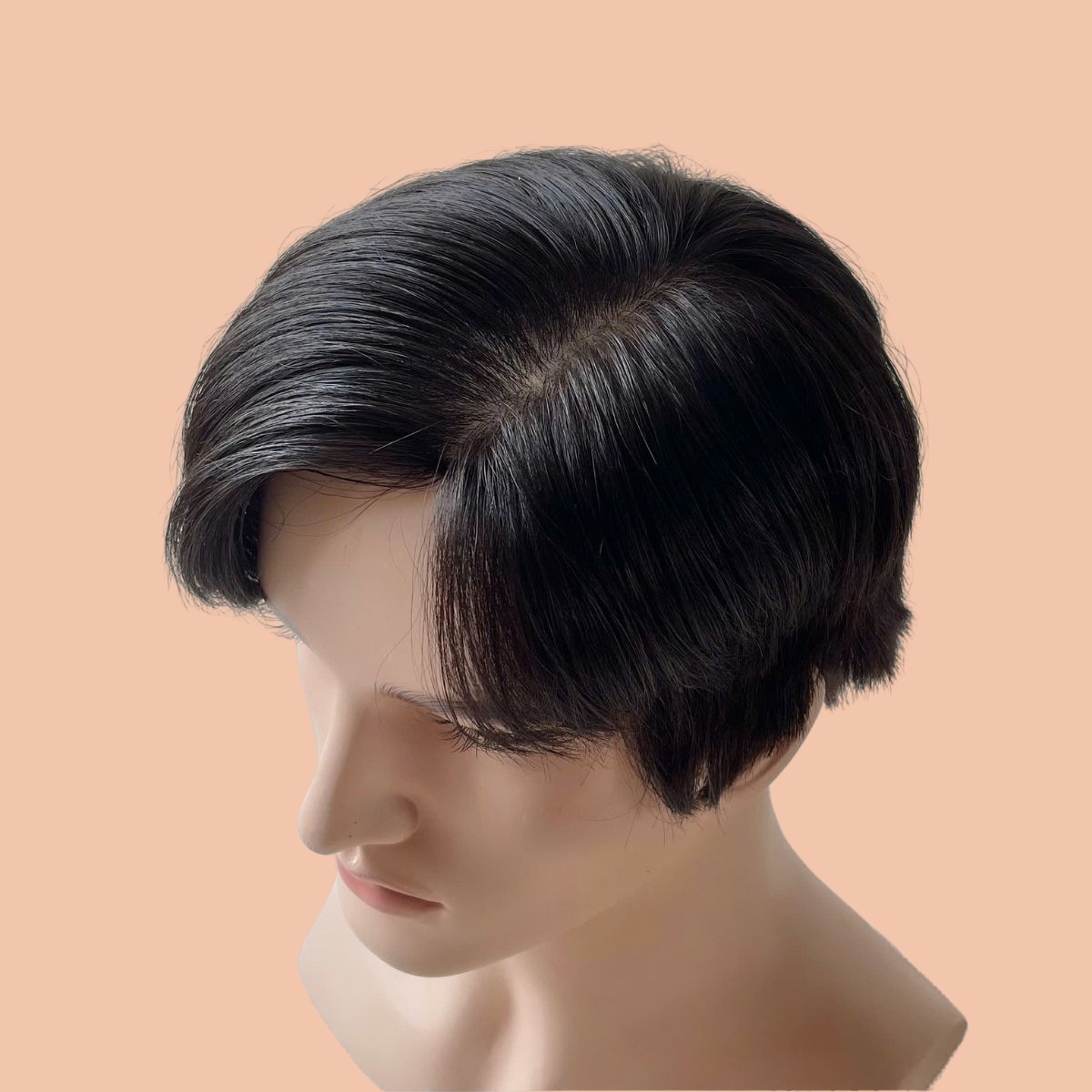
- In-Depth Construction: The defining feature is a panel of sheer lace mesh extending across the front hairline, typically temple-to-temple or ear-to-ear. Individual hair strands are meticulously hand-tied onto this lace. The rest of the cap (sides and back) is commonly constructed with machine wefts for structure and affordability, though some combine lace fronts with monofilament tops. The lace needs to be trimmed close to the hairline before wearing (unless pre-cut).
- Expanded Pros:
- Highly Realistic Hairline: Hand-tying creates the illusion of hair growing directly from the scalp along the forehead.
- Off-the-Face Styling: Enables styles pulled back or tucked behind the ears without revealing an artificial edge.
- Improved Breathability (at front): The lace material allows for better airflow around the hairline compared to standard caps.
- Comfortable Edge: Soft lace is generally more comfortable against the forehead than a standard cap edge.
- Expanded Cons:
- Delicate Lace: Requires careful handling during application, removal, and washing to prevent tearing or fraying.
- Requires Adhesives/Tape (Optional but common): While many are glueless, achieving the most seamless, secure melt often involves wig glue or tape, adding steps and potential irritation for some.
- Higher Cost: The hand-tied labor increases the price compared to basic wefted caps.
- Learning Curve: Proper trimming of the lace and application technique takes practice for beginners.
- Best Suited For: Users prioritizing a natural hairline, those who enjoy styling hair away from the face, special occasions, individuals seeking a balance between realism and cost.

✨ A toupee shouldn’t just hide hair loss — make it a style statement!
3. Full Lace Wig Caps
- In-Depth Construction: The entire cap base is constructed from lace mesh. Every single hair strand across the whole cap is hand-tied to this lace. This intricate process allows for maximum realism and styling freedom. Some full lace caps incorporate stretch panels, typically at the crown or ear tabs, for a more adaptable fit.
- Expanded Pros:
- Ultimate Natural Appearance: Hair appears to grow from the scalp across the entire head.
- Maximum Styling Versatility: Part the hair anywhere (center, side, zig-zag), create high ponytails, braids, and updos without revealing cap construction.
- Lightweight and Breathable: Lace allows for excellent air circulation throughout the cap, making it very comfortable, especially for long wear or in warm climates.
- Expanded Cons:
- Highest Price Point: The extensive hand-tying labor makes these the most expensive cap type.
- Requires Adhesives for Security: Due to the fully flexible base, full lace wigs typically require wig glue or tape around the entire perimeter for a secure fit, especially for active lifestyles.
- Most Delicate: The entire cap is susceptible to damage if not handled with extreme care. Shedding can occur over time, especially if knots are not sealed properly.
- Maintenance Intensive: Requires diligent cleaning and careful handling to preserve the lace and hand-tied knots.
- Best Suited For: Experienced wig wearers seeking maximum realism and styling freedom, individuals needing full coverage due to significant hair loss, those comfortable with using adhesives, performers or individuals in the public eye.
4. Monofilament Wig Caps (Mono Top)
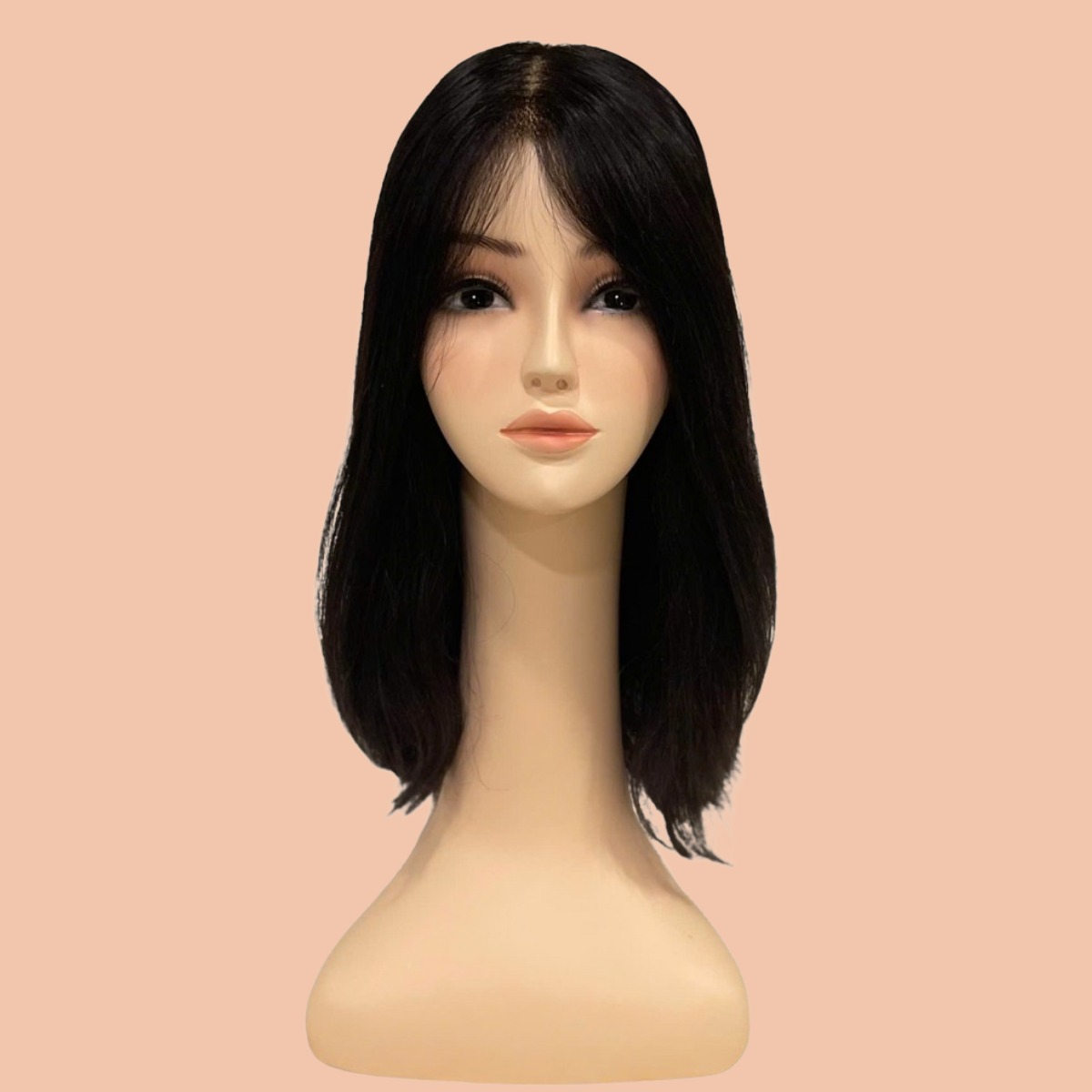
- In-Depth Construction: Features a section of fine, transparent nylon or polyester mesh material, usually at the crown, top, or parting area (Monofilament Part or Crown). Individual hairs are hand-tied to this mesh. This allows the hair in that section to be parted and styled in multiple directions, mimicking natural hair growth from the scalp. The rest of the cap is often wefted or hand-tied.
- Expanded Pros:
- Natural Scalp Appearance (at top/part): The sheer mesh allows your scalp color to show through, creating a very realistic look in the parting area.
- Multi-Directional Parting: Hair can be parted freely within the monofilament section.
- Comfort for Sensitive Scalps: The soft mesh material is generally gentler on the scalp compared to wefted caps.
- Good Balance: Offers improved realism and comfort over basic caps without the full expense or delicacy of full lace.
- Expanded Cons:
- Higher Cost than Basic Caps: Hand-tying increases the price.
- Less Breathable than Full Lace: While the mono section is breathable, the wefted sides/back (if present) may be less so.
- Requires Care: The monofilament material can be delicate and should be handled gently.
- Best Suited For: Individuals with sensitive scalps, those seeking a natural-looking part and crown area, wearers who want parting versatility without committing to full lace, medical hair loss (cranial prosthesis often use mono tops).

🔍 Looking for a specific size, base, or hair color? Order a fully personalized toupee now!
5. Monofilament Part Wig Caps
- In-Depth Construction: This is a variation of the monofilament cap where the hand-tied monofilament mesh is confined specifically to the typical parting area (usually a strip about 1 inch wide and several inches long). The rest of the cap is typically machine-wefted. This targets the realism to the most visible area while keeping costs lower than a full mono top.
- Expanded Pros:
- Realistic Part Line: Offers the natural scalp illusion specifically where it’s most often seen.
- More Affordable than Full Mono Top: Reduces the amount of hand-tying required.
- Comfortable Parting Area: The soft mesh provides comfort along the part.
- Expanded Cons:
- Fixed Parting Location: While the part looks natural, you are generally limited to parting the hair only within that specific monofilament strip (left, right, or center, depending on the wig’s design).
- Wefted Sides/Back: Shares the potential bulkiness or lower breathability characteristics of standard wefted caps in other areas.
- Best Suited For: Budget-conscious users who prioritize a natural-looking part but don’t need multi-directional styling across the entire crown, beginners wanting an upgrade from basic caps.
6. Skin Top Wig Caps (PU or Polyurethane Base)
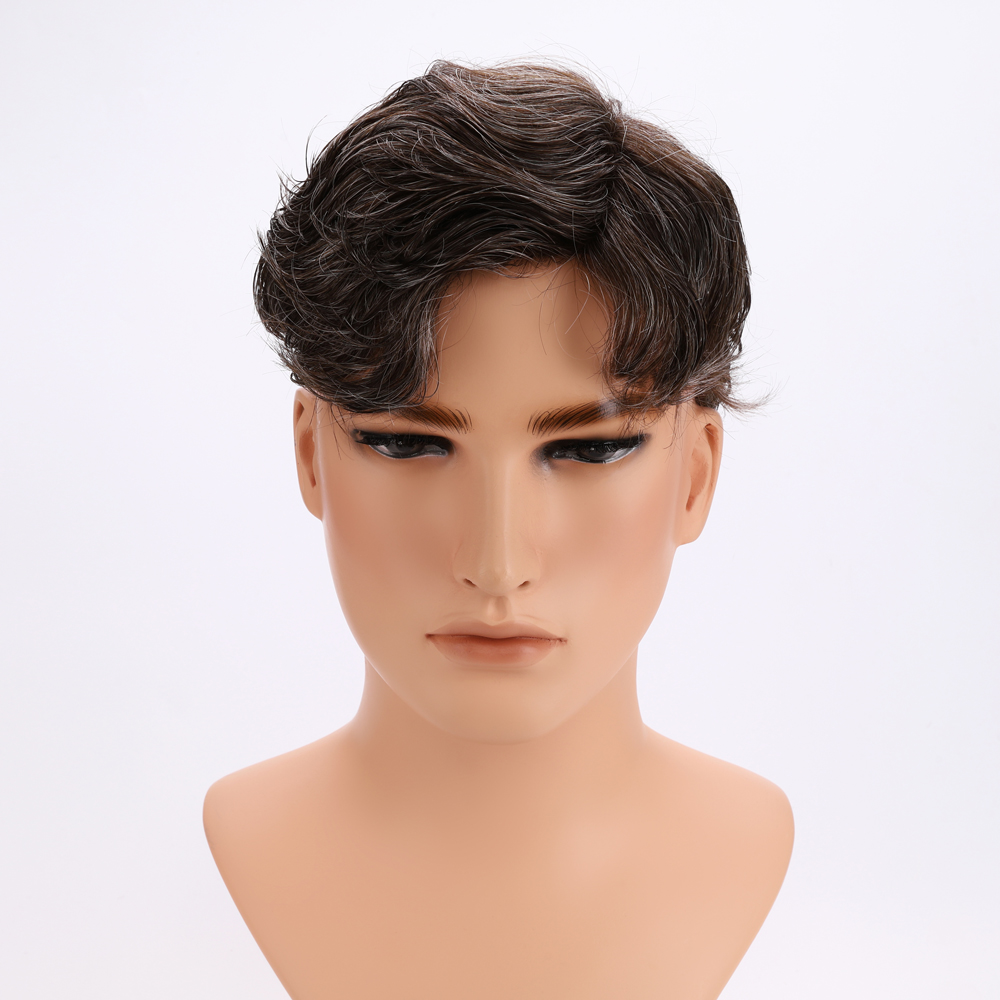
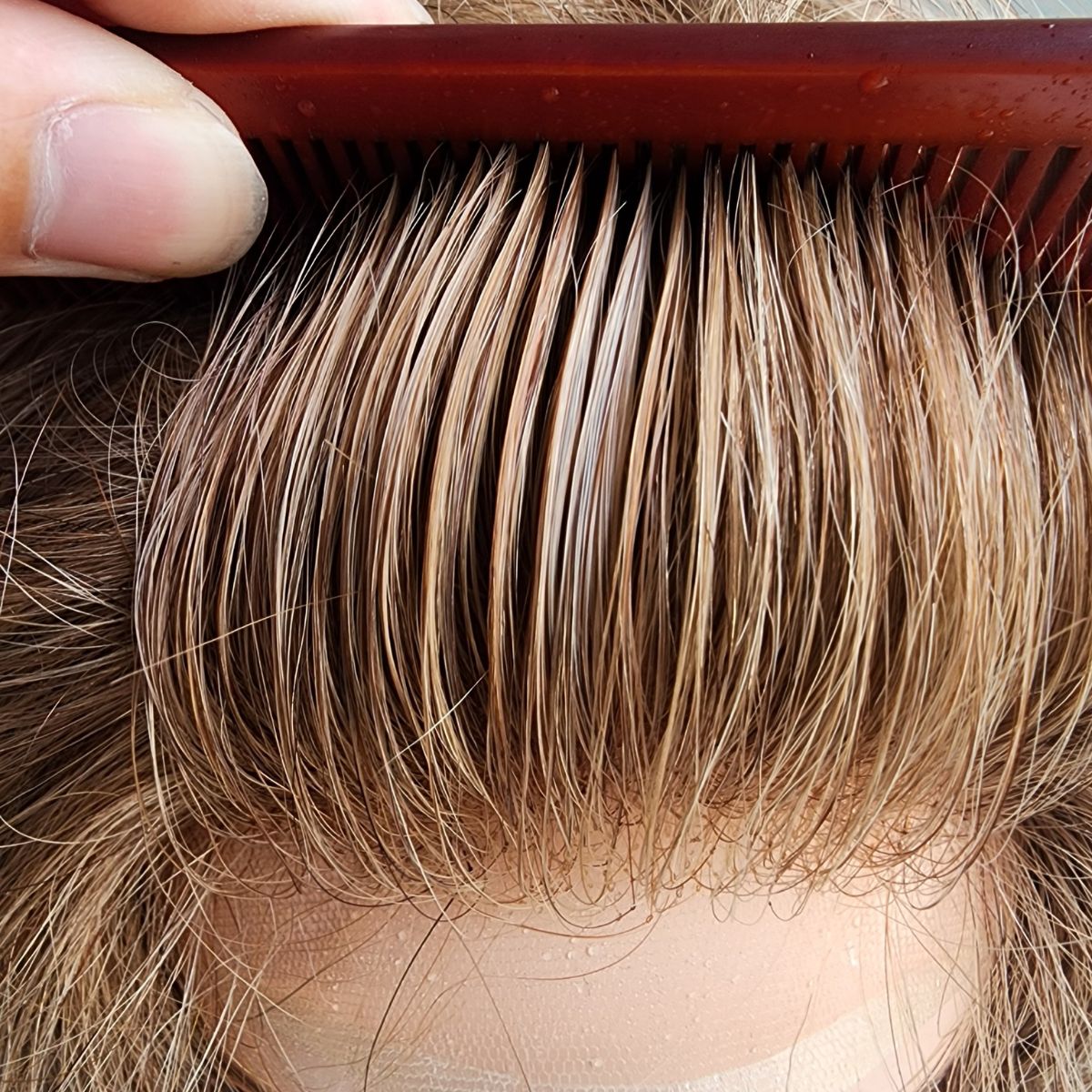
- In-Depth Construction: Uses a thin, pliable base material made of polyurethane or silicone, designed to resemble the color and texture of skin. Hairs are individually injected or looped (V-looped) into this base, creating the appearance of hair growing directly from the scalp without visible knots. This construction is often found in high-end wigs or hair systems, sometimes combined with other base materials like lace or monofilament.
- Expanded Pros:
- Hyper-Realistic Scalp Illusion: Offers arguably the most convincing scalp appearance due to the skin-like material and knotless hair injection.
- Flat and Undetectable: The thin PU base lays very flat against the head.
- Easy Cleaning (Surface): The smooth PU surface can be easily wiped clean.
- Good Adhesion Surface: Provides an excellent surface for wig tapes and glues if needed.
- Expanded Cons:
- Reduced Breathability: Polyurethane is generally less breathable than lace or monofilament, potentially trapping heat and moisture.
- Can Degrade Over Time: PU can become brittle or sticky with exposure to oils, adhesives, and time.
- Higher Cost: The materials and injection process increase the price.
- Potential for Shine: Some PU bases can have an unnatural shine if not properly manufactured or matted.
- Best Suited For: Users seeking the absolute peak of scalp realism, individuals with complete hair loss wanting a seamless look, those using extended wear bonding methods (common in hair systems).
✂️ Be unique — create your custom-made toupee today!
7. Glueless Wig Caps
- In-Depth Construction: This term describes the features added to various cap types (like lace front, mono top, or even wefted) that allow for secure wear without adhesives. These features typically include adjustable elastic straps (often at the nape), silicone strips or tabs (at the hairline, temples, nape) for grip, and strategically placed combs or clips that anchor to the wearer’s natural hair (if present).
- Expanded Pros:
- Convenience: Easy and quick to put on and take off daily.
- No Adhesive Hassle: Eliminates the need for glue or tape application, removal, and potential skin irritation.
- Scalp Health: Allows the scalp to breathe freely overnight or during breaks.
- Cost-Saving: Saves money on adhesives and removers.
- Expanded Cons:
- Potentially Less Secure: May feel less secure than glued-down wigs, especially during vigorous activity or in strong wind, depending on the fit and internal features.
- Fit is Critical: Relies heavily on a snug, correct fit and the effectiveness of the built-in security features.
- May Require Bio Hair: Combs and clips need some natural hair to grip onto for best results.
- Best Suited For: Daily wig wearers seeking convenience, individuals with adhesive sensitivities, those who prefer to remove their wig frequently, users with some existing hair for clips to grip.

👨🦱 Ready to wear and natural-looking — explore our men’s stock hairpieces today!
8. Open Wefted / Capless Wig Caps
- In-Depth Construction: A variation of the classic wefted cap, but the wefts are spaced further apart, and the underlying cap structure is minimized, often consisting only of the vertical lace strips the wefts are sewn onto and connecting elastic bands. This creates significant open spaces across the cap.
- Expanded Pros:
- Maximum Breathability: Unparalleled airflow keeps the scalp cool and dry, ideal for hot weather or active individuals.
- Lightweight: The minimal structure makes these caps feel very light on the head.
- Affordable: Generally shares the lower price point of classic wefted caps due to machine construction.
- Expanded Cons:
- Less Natural Appearance: The wefts and cap structure can be more visible, especially with thinner hair densities or certain styles.
- Limited Styling: Usually has a fixed part and less ability to style hair away from the base.
- May Feel Less Secure: The looser structure might feel less encompassing than a full cap.
- Best Suited For: Wearers in hot and humid climates, individuals prone to scalp sweating, budget-conscious buyers prioritizing coolness over ultimate realism, short to medium length styles with volume.

💁♀️ Add instant volume and confidence — browse our stock hair toppers for women!
Factors to Consider When Choosing a Wig Cap Construction
Choosing the right wig cap construction is a personal decision based on individual needs and preferences. Here’s a comprehensive guide to help you make the best choice:
- Scalp Sensitivity: If you have a sensitive scalp, opt for monofilament or skin top caps, as they are soft and gentle.
- Hair Loss: For significant hair loss, full lace or skin top caps provide the most natural-looking coverage.
- Styling Versatility: Full lace caps offer the most versatility, allowing you to part and style the hair in various ways.
- Budget: Wefted caps are the most affordable option, while full lace and skin top caps are generally the most expensive.
- Lifestyle: If you’re looking for a wig for everyday wear, consider a glueless or wefted cap for ease of use.
- Climate: Open wefted caps are ideal for hot climates due to their breathability.
- Head Size: Measure your head circumference to ensure a comfortable and secure fit. Many wigs come with adjustable straps to customize the fit.
- Desired Look: Consider the hairstyle you want to achieve and choose a cap construction that supports it. For example, if you want to wear your hair up, a full lace wig is the best option.
- Maintenance: Different cap constructions require varying levels of maintenance. Lace and skin top caps require more delicate handling and cleaning than wefted caps.
Choosing the Right Wig Cap: A Step-by-Step Guide
Follow these steps to find the perfect wig cap construction for your needs:
- Assess Your Needs: Consider your scalp sensitivity, hair loss, styling preferences, budget, and lifestyle.
- Measure Your Head: Use a soft measuring tape to measure your head circumference.
- Research Different Cap Constructions: Learn about the features, benefits, and drawbacks of each type of cap construction.
- Read Reviews: Check online reviews to see what other customers are saying about different wig cap constructions.
- Consult a Professional: If you’re unsure which cap construction is right for you, consult a wig stylist or hair loss specialist.
- Try On Wigs: If possible, try on different wigs with different cap constructions to see what feels most comfortable and looks most natural.
- Consider the Hair Type: The hair type (human hair vs synthetic hair) can also impact the overall comfort and appearance of the wig.
- Check for Adjustable Straps: Ensure the wig has adjustable straps for a secure and comfortable fit.
- Read Care Instructions: Understand the proper care instructions for the cap construction you choose to ensure its longevity.
- Ask Phucthien: We at Phucthien are always happy to assist you with your selection of the perfect toupee or wig.
Addressing Common Concerns
- Wig Cap Itchiness: If your wig cap is itchy, try wearing a wig cap liner underneath to create a barrier between your scalp and the cap. Consider materials like bamboo or silk, known for their breathability and softness.
- Wig Slippage: To prevent wig slippage, use wig grips, adjustable straps, or a small amount of wig adhesive.
- Wig Cap Odor: To prevent odor, clean your wig regularly with a wig-specific shampoo and conditioner. Allow the wig to air dry completely before storing it.
Maintaining Your Wig Cap
Proper care is essential not just for the hair, but for the wig cap itself. A well-maintained cap ensures comfort, hygiene, and extends the overall lifespan of your wig investment. Follow Phucthien’s detailed guide:
Gentle and Effective Cleaning Routine
- Frequency: Clean your wig cap (along with the hair) regularly. This depends on wear frequency, product use, and environment. General guideline: every 7-14 wears for daily use. Clean sooner if exposed to heavy sweat, smoke, or product buildup.
- Preparation: Gently detangle the hair first using a wide-tooth comb or wig brush, starting from the ends and working up.
- Process:
- Basin Setup: Fill a basin with cool or lukewarm water. Avoid hot water, as it can damage fibers and the cap structure.
- Add Shampoo: Mix a small amount of wig-specific shampoo into the water.
- Submerge and Soak: Gently immerse the wig. Allow it to soak for 5-10 minutes.
- Clean the Cap: Turn the wig inside out. Gently massage the inside of the cap with your fingertips, paying attention to the forehead area, nape, and ear tabs where sweat and oils accumulate. Avoid vigorous scrubbing, especially on lace or monofilament.
- Rinse Thoroughly: Rinse under cool running water until all shampoo suds are gone. Ensure water flows in the direction of the hair to prevent tangling.
- Condition (Hair Only): Apply wig-specific conditioner primarily to the hair lengths and ends. Crucially, avoid applying conditioner directly to the knots on lace or monofilament bases, as this can loosen them and cause shedding. Rinse thoroughly.
- Special Considerations:
- Lace Caps: Be extra gentle. Avoid stretching or rubbing the lace.
- Skin Top (PU) Caps: Use cleaners safe for polyurethane if specified. Gently wipe the PU surface.

Proper Drying Techniques
- Remove Excess Water: Gently squeeze excess water out, starting from the top and moving down. Do NOT wring or twist the wig, as this can stretch the cap and tangle the hair.
- Towel Blot: Lay the wig flat on a clean towel and gently blot it. You can also wrap it loosely in the towel for a few minutes.
- Air Dry: Place the wig on a sturdy wire or plastic wig stand. This allows air to circulate freely through the cap and hair. Avoid styrofoam heads for drying, as a wet cap can stretch over time if the head is too large.
- Location: Keep the wig stand in a well-ventilated area away from direct sunlight, heaters, or blow dryers. Heat can damage synthetic fibers and potentially shrink or warp cap materials.
- Patience: Allow the wig to air dry completely. This can take several hours or overnight, depending on hair length, density, and humidity. Ensure the inside of the cap is fully dry before storing or wearing.
Smart Storage Solutions
- Why Store Properly: Protects from dust, tangling, loss of shape, and potential damage.
- Options:
- Wig Stand: Ideal for maintaining shape and allowing air circulation, especially for frequent wearers. Use a stand appropriate for the wig length.
- Mannequin Head: Good for styling and maintaining shape, but ensure it’s the correct size to avoid stretching the cap.
- Original Packaging/Box: Suitable for longer-term storage. Ensure the wig is clean and dry. You might loosely stuff the cap with acid-free tissue paper to help hold its shape.
- Silk or Satin Bag: Place the clean, dry wig (perhaps folded gently or with the cap stuffed) inside a silk or satin bag before storing it in a drawer or box. This reduces friction and static.
- Environment: Store in a cool, dry place, away from direct sunlight and extreme temperatures.
Careful Handling Practices
- Putting On/Taking Off: Handle the wig primarily by the ear tabs or nape section, not by pulling on the delicate lace front or individual hair strands.
- Avoid Stress: Be gentle when styling. Avoid excessive tension on the cap base, especially near hand-tied areas.
- Lace Care: When handling lace front or full lace wigs, use your fingertips and avoid using fingernails which can snag or tear the delicate mesh.
Knowing When to Seek Professional Repairs
- Minor Issues: Small rips away from the main structure or loose wefts might be carefully repaired at home if you have experience. Use appropriate thread and needles.
- Major Damage: Torn lace, significant rips in monofilament or PU bases, or extensive shedding often require professional expertise. Attempting complex repairs without knowledge can worsen the damage.
- Professional Services: Many wig salons and specialized repair services can mend tears, replace damaged sections, ventilate (add) hair to thinning spots, and deep clean/recondition wigs, significantly extending their life.
- Phucthien’s Advice: For valuable human hair wigs or complex constructions like full lace or skin tops, always entrust significant repairs to experienced professionals. It protects your investment.
Customize your wig: From basic Human Hair Wig Selection to advanced Wig Customization, get expert guidance
Conclusion
Choosing the right wig cap construction is crucial for a comfortable, natural, and confident wig-wearing experience. By understanding the different types of cap constructions and considering your individual needs and preferences, you can find the perfect wig that makes you look and feel your best. At Phucthien Toupee, we are committed to providing you with the highest quality wigs and expert guidance to help you achieve your hair goals.
Remember, the world of wigs is vast and exciting. Embrace the journey of discovery and find the perfect wig that reflects your unique style and personality. We at Phucthien Toupee are ready to help you every step of the way!
Phuc Thien Toupee Co., Ltd
Design Brand: Royal Hair Vietnam
Office Address:
🏢 Room A909, Decapella Building, 116 Luong Dinh Cua Street, An Khanh Ward, Thu Duc City, Ho Chi Minh City 700000, Vietnam
Factory Address:
🏭 No. 26/9, Street 57, Thuong Hamlet, Tan Thong Hoi Ward, Cu Chi District, Ho Chi Minh City 700000, Vietnam
Email: ✉️ phucthientoupeevn@gmail.com
Phone / WhatsApp: 📞 +84 933 901 196
Websites: 🌐 phucthientoupee.com – 🌐 royalhair.shop



