


- 03/06/2025
- Posted by: phucthien
- Category: Blog
Exercising with alopecia hairpieces can empower you to embrace an active lifestyle with renewed confidence. Discover the joy of physical activity while maintaining your desired appearance with well-secured hair systems. With Phuc Thien’s expert advice, find out how to select, secure, and care for your hairpiece so you can make the most of your active lifestyle.
Phuc Thien is here to guide you through the best practices for exercising with hairpieces, ensuring comfort, security, and style. Learn about the optimal hairpiece types, secure attachment methods, and essential maintenance routines. Embrace an active lifestyle with confidence with our advice on fitness & hair solutions, alopecia and wig care, and hair loss workout plans.
Finding the Perfect Hairpiece for Your Active Lifestyle
Choosing the right hairpiece is the first step toward a confident and comfortable workout. Consider these factors when selecting a hairpiece that suits your needs and workout routine.
Material Matters: Balancing Performance and Realism During Workouts
The hair fiber itself is a primary consideration. Both synthetic and human hair have distinct advantages and disadvantages, particularly when subjected to the rigors of exercise.
Synthetic Hair Fibers:
- Characteristics: Man-made fibers designed to mimic the look and feel of human hair. Quality can vary significantly, with higher-end synthetics offering remarkable realism. Heat-friendly synthetic options allow for limited heat styling.
- Pros for Exercising:
- Style Retention: Synthetic hair holds its style (curl, wave, straightness) exceptionally well, even through sweat and humidity. This means less post-workout restyling.
- Lower Maintenance: Generally requires less upkeep than human hair. Often described as ‘shake and go’.
- Cost-Effective: Typically more affordable than human hair, making it a good option if you want a dedicated ‘workout hairpiece’ or are experimenting.
- Color Fastness: Colors tend not to fade as quickly as human hair when exposed to sun or washing.
- Lighter Weight (Often): Depending on density, can feel lighter on the head.
- Cons for Exercising:
- Less Breathability (Potentially): The fibers themselves don’t breathe, though overall breathability is more dependent on the base construction.
- Friction Frizz: Can be prone to frizzing due to friction, especially around the nape or where it rubs against clothing during repetitive movements (like running).
- Limited Styling Versatility: Standard synthetic fibers cannot be heat-styled or colored. Heat-friendly options have temperature limits.
- Shorter Lifespan: Generally wears out faster than human hair with regular use, especially friction-heavy use.
- Less Natural Feel/Look (Potentially): While high-quality synthetics are excellent, they may lack the subtle movement and texture variations of human hair, especially up close.
Human Hair:
- Characteristics: Sourced from human donors. Offers the most natural look, feel, and movement. Can be ethically sourced Remy hair (cuticles intact and aligned) or processed hair.
- Pros for Exercising:
- Ultimate Realism: Provides the most natural appearance and texture, behaving like your own growing hair.
- Styling Versatility: Can be heat-styled, cut, and colored (within limits) just like biological hair. This allows you to style it securely away from your face and neck for workouts (ponytails, braids, buns).
- Durability: High-quality human hair, when properly cared for, generally lasts longer than synthetic hair.
- Better Blend (for Toppers): If you wear a topper or partial system, human hair often blends more seamlessly with your existing bio hair.
- Breathability Potential: While the hair itself doesn’t ‘breathe,’ it doesn’t trap heat in the same way some synthetic fibers might, contributing to overall comfort when paired with a breathable base.
- Cons for Exercising:
- Reacts to Elements: Like natural hair, it reacts to humidity and sweat – it can frizz, lose its style, or become limp. Requires styling after washing/getting wet.
- Higher Maintenance: Needs regular washing, deep conditioning, and careful handling to maintain its quality, especially after sweat exposure.
- Higher Cost: Significantly more expensive upfront than synthetic options.
- Color Fading: Can fade over time with exposure to sun and washing.
- Heavier (Potentially): Depending on length and density, human hair can feel heavier than synthetic alternatives.
Stay active confidently: Enjoy Swimming with Hairpieces and integrate your Hair System and Exercise routines
Material Choice Considerations Table:
| Feature | Synthetic Hair | Human Hair | Phuc Thien’s Exercise Context Note |
| Style Retention | Excellent (holds style in sweat) | Fair (reacts to moisture) | Synthetic wins for ‘set and forget’ workout styles. Human hair needs post-workout styling. |
| Natural Look/Feel | Good to Very Good | Excellent | Human hair excels in realism, especially crucial if blending with bio hair. |
| Styling Versatility | Limited (or low heat) | Excellent (like natural hair) | Human hair allows secure styling (ponytails, braids) away from the face/neck easily. |
| Breathability | Fiber doesn’t breathe | Fiber doesn’t breathe | Overall breathability depends heavily on the base construction, less on the hair fiber itself. |
| Durability | Fair to Good | Good to Excellent (with care) | Human hair generally lasts longer with proper post-exercise maintenance. |
| Maintenance | Lower | Higher (washing, conditioning) | Consider your willingness for post-workout care routine. Synthetic is easier. |
| Cost | Lower | Higher | Factor in potential replacement frequency vs. upfront investment. |
| Friction Issues | Can be prone to friction frizz | Less prone than synthetic | Relevant for activities with repetitive rubbing (running, certain gym machines). |
Ultimately, the best material depends on your activity type, frequency, budget, desired look, and how much time you’re willing to dedicate to maintenance. Some clients even opt for a durable synthetic piece specifically for intense workouts and a human hair piece for daily wear or lower-impact activities.

Base Construction: The Key to Breathability and Scalp Comfort During Exercise
The base, or cap, is the foundation of the hairpiece that sits against your scalp. Its construction is arguably the most critical factor for comfort and security during exercise, directly impacting heat dissipation, sweat management, and how securely the piece attaches.
- Lace Bases (French Lace, Swiss Lace):
- How it Works: A fine, mesh-like fabric where hairs are individually tied. Swiss lace is finer and less detectable but more delicate; French lace is slightly more durable. Often used at the front hairline (Lace Front) for a natural transition, or across the entire base (Full Lace).
- Pros for Exercising: Excellent breathability. Allows air to circulate and heat/sweat to escape, keeping the scalp cooler. Lightweight. Creates a very natural, undetectable hairline, crucial if you pull your hair back.
- Cons for Exercising: Can be delicate and require careful handling, especially Swiss lace. Requires precise adhesive application near the hairline for invisibility. Sweat can sometimes loosen edge adhesives if not applied correctly or if using less water-resistant options.
- Monofilament Bases (Mono Top):
- How it Works: A fine nylon or polyester mesh, usually used on the top/crown area, where hair is individually knotted. This allows for multi-directional parting and mimics the look of natural hair growth from the scalp. Often combined with other materials around the perimeter (e.g., polyurethane).
- Pros for Exercising: Good breathability (though typically slightly less than full lace). Offers a very natural scalp appearance where parted. Durable material. Comfortable against the skin.
- Cons for Exercising: Can be slightly less breathable than a full lace cap. May feel a bit stiffer than lace initially.
- Polyurethane Bases (Thin Skin, Poly):
- How it Works: A thin, flexible polymer material designed to mimic the appearance of skin. Hair is typically injected or looped into the base. Can be used around the perimeter for easier adhesive application or as the entire base. Thickness varies.
- Pros for Exercising: Creates a very realistic scalp appearance. Provides a smooth, non-porous surface excellent for adhesive bonding – often offers a very secure attachment and easier cleanup. Can be very thin and feel like a second skin initially.
- Cons for Exercising: Least breathable option. Traps heat and sweat significantly, which can lead to discomfort, scalp irritation, and potentially faster degradation of the base material with frequent, intense exercise. Can feel ‘hot’ during workouts.
- Hybrid Bases:
- How it Works: Combine different materials to leverage their respective strengths. Common examples include a lace front (for natural hairline), a monofilament top (for parting/scalp look), and a wefted or poly perimeter back/sides (for structure/attachment).
- Pros for Exercising: Offer a tailored solution, balancing breathability, realism, durability, and ease of attachment. Can provide the best of multiple worlds.
- Cons for Exercising: Complexity can sometimes mean higher cost. Performance depends on the specific combination of materials used.
Activity Level and Base Recommendation:
- High-Intensity (Running, CrossFit, Team Sports): Prioritize breathability and secure attachment. Full Lace, Lace Front with Mono Top hybrids are often preferred.
- Moderate-Intensity (Cycling, Dancing, Hiking): Balance breathability, realism, and durability. Lace Front, Monofilament, or well-designed Hybrids work well.
- Low-Intensity (Yoga, Pilates, Walking): Comfort and realism may be prioritized. Most base types can work, but lace or monofilament still offer superior comfort over full poly if sweating occurs.
Your scalp sensitivity also plays a role. If you have sensitive skin, a softer lace or monofilament base might be more comfortable than polyurethane, especially when combined with sweat.
🎨 Your style, your hair — we make it exactly how you want.
Fit and Coverage: Achieving Secure, Undetectable Integration
The way the hairpiece fits your head and the amount of coverage it provides are crucial for security during movement and achieving a natural look.
Stock vs. Custom Fit:
- Stock Sizes (Ready-to-Wear): Manufactured in standard sizes (e.g., Petite, Average, Large).
- Pros: Immediately available, generally lower cost.
- Cons: May not provide a perfect fit for your unique head shape and size. Gaps or tightness can compromise security (leading to slippage during exercise) and comfort (pressure points). Less ideal integration.
- Custom Fit: Created based on precise measurements or a mold of your head.
- Pros: Conforms perfectly to your scalp contours, providing the most secure and comfortable fit possible. Eliminates gaps where sweat might pool or adhesives might fail. Ensures optimal weight distribution. Maximum undetectability.
- Cons: Higher cost, requires a waiting period for production.
Coverage Options (Tailored to Your Alopecia Pattern):
- Toppers / Top Pieces / Integration Systems: Designed to cover specific areas of thinning or loss, typically on the top, crown, or front of the head. They integrate with your existing biological hair.
- Pros for Exercising: Cover less area, potentially feeling lighter and cooler than a full system. Can utilize existing hair for attachment points (clips). Good option if bio hair is stable around the perimeter.
- Cons for Exercising: Security depends partly on the health and amount of your existing hair for blending and attachment. Blending can be challenging if hair texture/color doesn’t match perfectly, which might be more noticeable when hair is damp with sweat. May require strategic clip placement for security during vigorous movement.
- Full Wigs / Full Cranial Prostheses / Hair Systems: Cover the entire scalp or the vast majority of it. Suitable for extensive alopecia areata, totalis, universalis, or significant diffuse thinning.
- Pros for Exercising: Offer complete coverage and a consistent look. Security relies entirely on the perimeter attachment (adhesives, tape, grips, custom fit) rather than bio hair. Can provide a very secure feeling for high-impact activities.
- Cons for Exercising: Cover more area, potentially feeling warmer (mitigated by breathable base choice). Requires meticulous attention to perimeter security.
Considering Integration: Regardless of coverage, factors like hair density, color matching, and texture selection are vital for a natural look, especially if the piece needs to blend with existing hair. Phuc Thien excels in ensuring these details are perfect, making your hairpiece look like your own, even during demanding physical activity.
Secure Attachment Methods for Worry-Free Workouts
Proper attachment is critical to ensuring your hairpiece stays in place during exercise. Explore these secure attachment methods for worry-free workouts.
Adhesives: Strong and Reliable
Adhesives offer a strong and reliable hold, ideal for high-impact activities.
- Types of Adhesives: Choose between tape, liquid adhesives, and glue, each offering varying levels of hold and longevity. Tape adhesives are great for daily wear, while liquid adhesives are best for longer-lasting hold.
- Application Tips: Ensure the scalp is clean and dry before applying adhesive. Follow the manufacturer’s instructions for best results. For liquid adhesives, apply a thin, even layer and wait until it becomes tacky before attaching the hairpiece.
- Removal Process: Use a specialized adhesive remover to gently dissolve the adhesive and avoid damaging the hairpiece or your scalp. Remove the hairpiece slowly and carefully to avoid pulling out any natural hair.
Example: David, a basketball player, uses a strong liquid adhesive to keep his hairpiece secure during games, knowing it can withstand sweat and movement.

Clips: Easy and Convenient
Clips provide an easy and convenient attachment method, suitable for low to medium-impact activities.
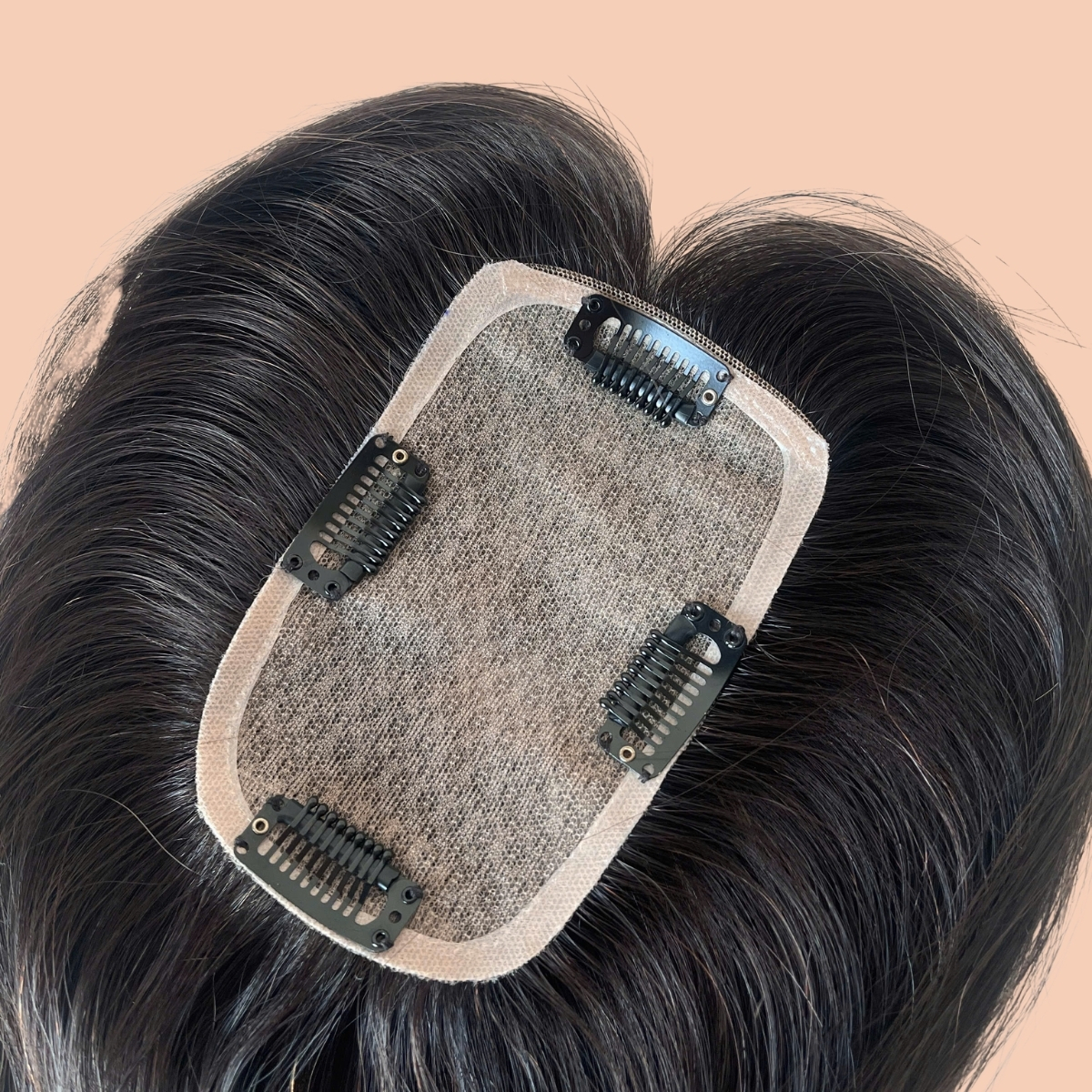
- Types of Clips: Opt for snap clips, comb clips, or pressure-sensitive clips, depending on your comfort and security needs. Snap clips are the most secure, while comb clips are easier to use.
- Placement Strategies: Strategically place clips around the perimeter of the hairpiece, ensuring they grip onto your natural hair securely. Distribute the clips evenly to prevent any one area from bearing too much weight.
- Adjustability: Choose clips that can be adjusted for a more customized and secure fit. Adjustable clips allow you to tighten or loosen the grip as needed.
Example: Emily, a Pilates enthusiast, uses clip-in hairpieces for her workouts, finding them comfortable and easy to manage.
Combs: Comfortable and Subtle
Combs offer a comfortable and subtle attachment method, suitable for light activities.
- Types of Combs: Select combs with fine teeth or wide teeth, depending on your hair type and the hairpiece base. Fine-toothed combs provide a more secure grip for thinner hair, while wide-toothed combs are gentler on thicker hair.
- Placement Tips: Position the combs carefully to ensure they are concealed and do not cause discomfort. Insert the combs at an angle to provide a stronger grip.
- Hairpiece Compatibility: Ensure the hairpiece is designed with combs that align with your natural hair growth patterns. The combs should blend seamlessly with your natural hair.
Example: John, who enjoys yoga and light workouts, prefers comb-attached hairpieces for their comfort and natural look.
🔍 Looking for a specific size, base, or hair color? Order a fully personalized toupee now!
Integrating Medical Grade Silicone
Medical-grade silicone liners offer an extra layer of security, especially for those with sensitive scalps.
- Benefits of Silicone: These liners provide a non-slip grip, prevent irritation, and can even promote hair growth. Medical-grade silicone is hypoallergenic and safe for prolonged use.
- Application Process: Apply the silicone liner directly to the scalp or the hairpiece base, ensuring a snug fit. Clean the liner regularly to maintain its grip and hygiene.
- Maintenance Tips: Clean the liner with mild soap and water, and store it in a cool, dry place to prolong its lifespan. Replace the liner every few months or as needed.
Example: Maria, a Zumba instructor, uses medical-grade silicone liners to keep her hairpiece secure and comfortable during high-energy dance sessions.
Pre-Workout Preparations for Hairpiece Protection
Taking a few simple steps before exercising can help protect your hairpiece and prolong its lifespan.
Secure the Perimeter
- Headbands: Use a moisture-wicking headband to keep sweat away from the hairline and secure the hairpiece. Choose a headband that fits snugly but is not too tight.
- Scarves: Tie a scarf around the hairpiece to provide extra security and protect it from friction. Silk or satin scarves are gentle on the hair and prevent tangling.
- Wig Grips: Use a wig grip band to create a non-slip base and prevent the hairpiece from shifting. Wig grips are adjustable and comfortable for extended wear.
Example: Before hitting the gym, Alex secures his hairpiece with a moisture-wicking headband to keep it in place and absorb sweat.
Style it Right
- Braids: Style the hairpiece in braids to minimize tangling and keep it away from your face. French braids, Dutch braids, or simple three-strand braids are all good options.
- Ponytails: Secure the hairpiece in a high or low ponytail to keep it off your neck and shoulders. Use soft elastics to avoid damaging the hair.
- Buns: Twist the hairpiece into a bun for a secure and stylish look that keeps it out of the way. Secure the bun with bobby pins to keep it in place.
Example: Before her tennis match, Jessica styles her hairpiece in a high ponytail, ensuring it stays out of her face and keeps her cool.
Choose the Right Products
- Sweat-Resistant Sprays: Apply a sweat-resistant spray to protect the hairpiece from moisture and prevent frizz. Look for sprays that are specifically designed for synthetic or human hair.
- Dry Shampoo: Use dry shampoo to absorb excess oil and keep the hairpiece looking fresh between washes. Apply dry shampoo at the roots and brush through.
- Leave-In Conditioners: Apply a leave-in conditioner to keep the hairpiece hydrated and prevent it from becoming dry or brittle. Choose a lightweight formula that won’t weigh the hair down.
Example: Before her spin class, Karen applies a sweat-resistant spray to protect her hairpiece from moisture and keep it looking great.
Effective Workout Routines for Hairpiece Wearers
Adapt your workout routine to minimize stress on your hairpiece and ensure a comfortable experience.
Low-Impact Activities
- Yoga: Gentle stretching and poses are ideal for hairpiece wearers, minimizing movement and sweat. Yoga promotes relaxation and reduces stress, which can be beneficial for those with alopecia.
- Pilates: Core-strengthening exercises are low-impact and won’t put excessive strain on the hairpiece. Pilates improves posture and balance, which can enhance your overall confidence.
- Walking: A simple yet effective way to stay active without causing excessive sweating or movement. Walking is a great way to improve cardiovascular health and boost your mood.
Example: Lisa finds yoga to be the perfect low-impact activity, allowing her to stay fit without compromising the security of her hairpiece.
✂️ Be unique — create your custom-made toupee today!
Moderate-Impact Activities
- Swimming: Wear a swim cap to protect the hairpiece from chlorine and keep it securely in place. Swimming is a great full-body workout that is gentle on the joints.
- Cycling: Adjust your helmet to fit comfortably over the hairpiece and prevent it from shifting. Cycling improves cardiovascular health and strengthens the leg muscles.
- Dancing: Choose dance styles that are not too strenuous and avoid excessive head movements. Dancing is a fun and effective way to burn calories and improve coordination.
Example: Mark enjoys cycling and adjusts his helmet to ensure his hairpiece stays in place throughout his rides.
High-Impact Activities
- Running: Secure the hairpiece with strong adhesives and a moisture-wicking headband. Running improves cardiovascular health and boosts your mood.
- CrossFit: Opt for a custom-made hairpiece with secure attachments and minimal styling. CrossFit is a challenging workout that builds strength and endurance.
- Team Sports: Choose a hairpiece that is designed for high-impact activities and secure it with multiple attachment methods. Team sports promote teamwork and improve social skills.
Example: Sarah, a CrossFit enthusiast, wears a custom-made hairpiece with strong adhesives to keep it secure during her intense workouts.
Post-Workout Hairpiece Maintenance
Proper maintenance after exercising is essential to keep your hairpiece clean, fresh, and long-lasting.
Cleaning and Washing
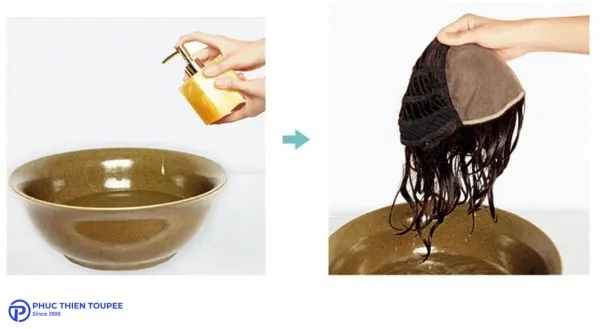
- Frequency: Wash the hairpiece after each workout or whenever it feels sweaty or dirty. Washing the hairpiece regularly prevents the buildup of sweat and bacteria.
- Shampoo and Conditioner: Use a mild shampoo and conditioner specifically designed for synthetic or human hair. Harsh chemicals can damage the hairpiece and shorten its lifespan.
- Washing Technique: Gently lather the shampoo and rinse thoroughly with cool water. Avoid rubbing or twisting the hairpiece, as this can cause tangling.
Example: After each workout, David washes his hairpiece with a gentle shampoo and conditioner to keep it clean and fresh.
Drying and Styling
- Towel Drying: Gently pat the hairpiece with a soft towel to remove excess water. Avoid rubbing or twisting the hairpiece, as this can cause damage.
- Air Drying: Allow the hairpiece to air dry on a wig stand or mannequin head. Air drying prevents heat damage and prolongs the lifespan of the hairpiece.
- Heat Styling: Use heat styling tools sparingly and always use a heat protectant spray. Excessive heat can damage synthetic and human hair, so use it sparingly.
Example: Emily air dries her hairpiece on a wig stand after washing, ensuring it retains its shape and texture.
Storage and Care
- Wig Stand: Store the hairpiece on a wig stand or mannequin head to maintain its shape and prevent tangling. A wig stand provides proper ventilation and prevents the hairpiece from becoming compressed.
- Protective Case: Use a protective case or bag when traveling with the hairpiece. A protective case prevents the hairpiece from being crushed or damaged during transport.
- Regular Maintenance: Brush the hairpiece regularly to prevent tangling and remove any debris. Use a wide-toothed comb or a wig brush to gently detangle the hair.
Example: John stores his hairpiece on a wig stand in a cool, dry place to keep it clean and ready for his next workout.
Live without limits: Embrace an Active Lifestyle Hair Systems and boost your Alopecia and Confidence
Addressing Common Concerns and Challenges
Navigating the world of hairpieces and exercise can come with challenges. Phuc Thien is here to help you address these common concerns.
Scalp Irritation
- Causes: Sweat, friction, and adhesives can cause scalp irritation. Sweat and adhesives can clog pores and lead to inflammation.
- Prevention: Use hypoallergenic adhesives, breathable base materials, and clean the scalp regularly. Choose products that are specifically designed for sensitive skin.
- Treatment: Apply a soothing scalp treatment, such as aloe vera or tea tree oil. Consult a dermatologist if the irritation persists.
Example: Karen experienced scalp irritation due to adhesive sensitivity, so she switched to a hypoallergenic adhesive and now has no issues.
Hairpiece Slippage
- Causes: Improper attachment, excessive sweating, and vigorous movement can cause the hairpiece to slip. Make sure the attachment method is secure and suitable for your activity level.
- Prevention: Use strong adhesives, secure clips, and a moisture-wicking headband. Combine multiple attachment methods for added security.
- Solutions: Reapply adhesive as needed, adjust the clips, or consider a custom-made hairpiece. Consult a hairpiece specialist for personalized advice.
Example: Alex experienced hairpiece slippage during a run, so he switched to a stronger adhesive and now has no issues.
Maintaining Natural Appearance
- Blending: Ensure the hairpiece blends seamlessly with your natural hair color and texture. Choose a hairpiece that is close to your natural hair color and texture.
- Styling: Style the hairpiece to complement your facial features and workout attire. Experiment with different styles to find what works best for you.
- Confidence: Embrace your look and wear your hairpiece with confidence. Confidence is key to rocking any style.
Example: Lisa styles her hairpiece to match her natural hair color and texture, ensuring a seamless and natural look.
✨ A toupee shouldn’t just hide hair loss — make it a style statement!
Conclusion: Exercising with Alopecia Hairpieces
Exercising with alopecia hairpieces can be a liberating experience, allowing you to embrace an active lifestyle with confidence and style. By selecting the right hairpiece, using secure attachment methods, and following proper maintenance routines, you can enjoy your workouts without worry.
Phuc Thien is dedicated to helping you find the perfect hairpiece solution for your needs. Contact us today for personalized advice and explore our wide range of high-quality hairpieces designed for active individuals. Embrace your active lifestyle with confidence and style, knowing that Phuc Thien is here to support you every step of the way.
Phuc Thien Toupee Co., Ltd
Design Brand: Royal Hair Vietnam
Office Address:
🏢 Room A909, Decapella Building, 116 Luong Dinh Cua Street, An Khanh Ward, Thu Duc City, Ho Chi Minh City 700000, Vietnam
Factory Address:
🏭 No. 26/9, Street 57, Thuong Hamlet, Tan Thong Hoi Ward, Cu Chi District, Ho Chi Minh City 700000, Vietnam
Email: ✉️ phucthientoupeevn@gmail.com
Phone / WhatsApp: 📞 +84 933 901 196
Websites: 🌐 phucthientoupee.com – 🌐 royalhair.shop



