

- 04/06/2025
- Posted by: phucthien
- Category: Blog

Toupees for face shapes can dramatically enhance your appearance and confidence. Discover the secrets to selecting the ideal hairpiece that complements your unique facial structure, boosting your style and self-assurance. This guide provides expert advice for achieving a natural, flattering look. Hair systems, wigs, and hair replacements.
Understanding Face Shapes and Toupee Styles
Choosing the right toupee starts with understanding your face shape. Identifying whether you have an oval, round, square, heart, or diamond-shaped face is crucial. Each shape has unique characteristics that can be accentuated or balanced with the appropriate toupee style. This section provides a detailed overview of each face shape and the toupee styles that best complement them.
Identifying Your Face Shape
Before diving into toupee styles, let’s determine your face shape. Here’s a simple guide:
- Oval: The length of your face is about 1.5 times its width. Your forehead and jawline are rounded.
- Round: Your face is nearly as wide as it is long, with full cheeks and a rounded jawline.
- Square: Your forehead, cheekbones, and jawline are roughly the same width. Your jawline is angular.
- Heart: Your forehead is wider than your cheekbones and jawline. Your chin is pointed.
- Diamond: Your cheekbones are the widest part of your face, and your forehead and jawline are narrower.
Table: Face Shape Characteristics
| Face Shape | Key Characteristics |
| Oval | Balanced proportions, rounded forehead and jaw |
| Round | Equal width and length, full cheeks, soft features |
| Square | Angular jawline, equal width forehead and jaw |
| Heart | Wide forehead, narrow chin |
| Diamond | Wide cheekbones, narrow forehead and jaw |
Find your perfect fit: Master Toupee Blending for a seamless finish

✂️ Be unique — create your custom-made toupee today!
5 Toupee Styles for Different Face Shapes
Here, Phuc Thien Toupee will share detail toupee style based on face shape, make you more confident:
1. Oval Face: The Canvas of Versatility
Often regarded as the ideal face shape due to its balanced proportions, the oval face offers remarkable flexibility when choosing a toupee style. The length is typically about one and a half times the width, with a softly rounded forehead and jawline, creating a harmonious silhouette. This balance means you can explore a wide array of looks without needing to drastically correct proportions.
- Goal: Maintain the natural balance and symmetry. Avoid styles that add excessive height or width, which could disrupt the inherent harmony.
- Ideal Toupee Styles in Detail:
- Classic Short Style with Side Part: This timeless look exudes professionalism and neatness. The hairpiece should be cut precisely, potentially tapering slightly at the sides and back to blend seamlessly with any existing hair. A defined side part adds structure without overwhelming the face. Styling Tip: Use a light-hold cream or wax for definition and control without stiffness. A lace front base is excellent here for an undetectable hairline if the style is brushed back slightly at the front.
- Textured Crop: A more modern approach, the textured crop adds subtle volume and dimension on top. This can involve shorter layers cut into the hairpiece, creating a slightly tousled, youthful appearance. It prevents the hair from looking flat while complementing the oval shape. Styling Tip: Work a small amount of texturizing paste through dry hair fibers, using fingers to create separation and lift. This style works well with various base materials, including monofilament for durability.
- Sleek Back or Gentle Pompadour: For a touch of sophistication, a style swept back off the forehead can look incredibly polished. It shouldn’t be overly voluminous to avoid elongating the face too much. A gentle lift at the front, rather than a dramatic pompadour, maintains balance. Styling Tip: A medium-hold gel or pomade helps keep the hair back smoothly. A skin (polyurethane) base can offer a very flat-lying, scalp-like appearance, especially if the hair density is lower.
- Phuc Thien Toupee Insight: While versatility is key, we often advise oval-faced clients to focus on styles that enhance their features naturally. A common mistake is choosing something too extreme simply because they can. Subtle enhancements often yield the most sophisticated results. Think classic refinement or controlled texture.
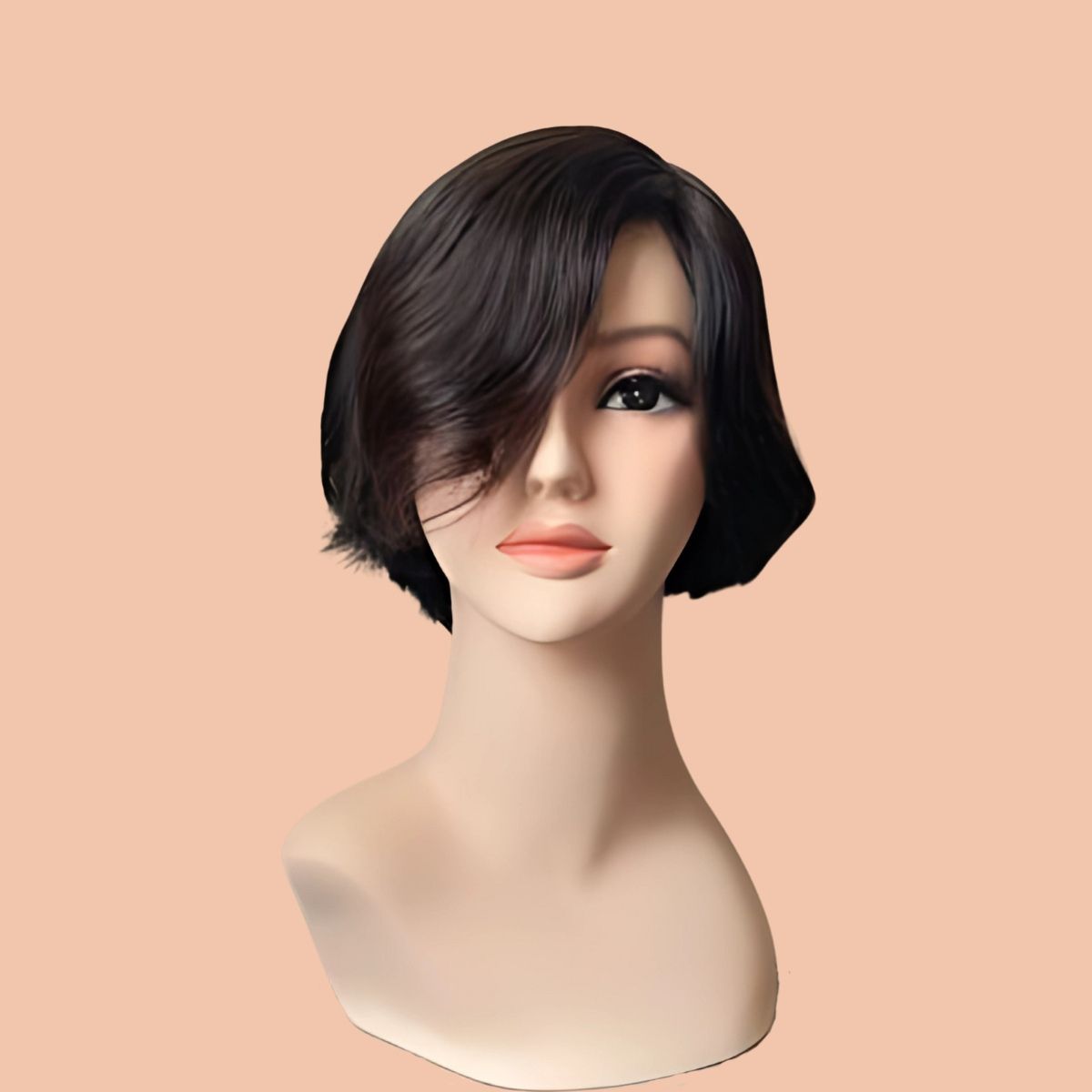
2. Round Face: Crafting Length and Definition
Characterized by similar width and length, full cheeks, and a rounded, soft jawline, the round face benefits significantly from toupee styles that introduce vertical lines and angles. The primary aim is to visually elongate the face and create the illusion of a slimmer, more defined structure.
- Goal: Add height, minimize width, create angularity. Avoid styles with heavy volume on the sides or rounded fringes that echo the face shape.
- Ideal Toupee Styles in Detail:
- High Volume Top (e.g., Quiff, Pompadour): This is a cornerstone style for round faces. By adding significant height at the crown and forehead area, the toupee draws the eye upward, effectively stretching the face’s appearance. The sides should be kept relatively short and neat to avoid adding width. Styling Tip: Use a volumizing mousse on damp hair fibers before blow-drying upwards. Finish with a strong-hold hairspray. A base combining lace at the front (for a natural lift) and monofilament or skin elsewhere can provide both appearance and durability.
- Asymmetrical Cut or Off-Center Part: Introducing asymmetry breaks up the uniform roundness of the face. An off-center part instantly creates a diagonal line, drawing attention away from the center width. A style cut slightly longer on one side can also add angular interest. Styling Tip: Define the part clearly. Use products that provide hold without adding excessive bulk to the sides.
- Slicked Back with Height: Similar to the high volume top but often sleeker. By directing the hair upward and backward, you achieve the desired vertical lift. Keeping the sides tight enhances the elongating effect. Styling Tip: Apply a strong-hold gel or pomade to damp hair and comb back. Ensure there’s noticeable lift at the front. This style benefits greatly from a secure attachment method like glue, especially for active individuals.
- Phuc Thien Toupee Insight: We emphasize controlling the sides. Many clients focus only on top volume, but if the sides of the hairpiece are too full, it negates the elongating effect and can make the face look even wider. Tapering the sides is crucial.
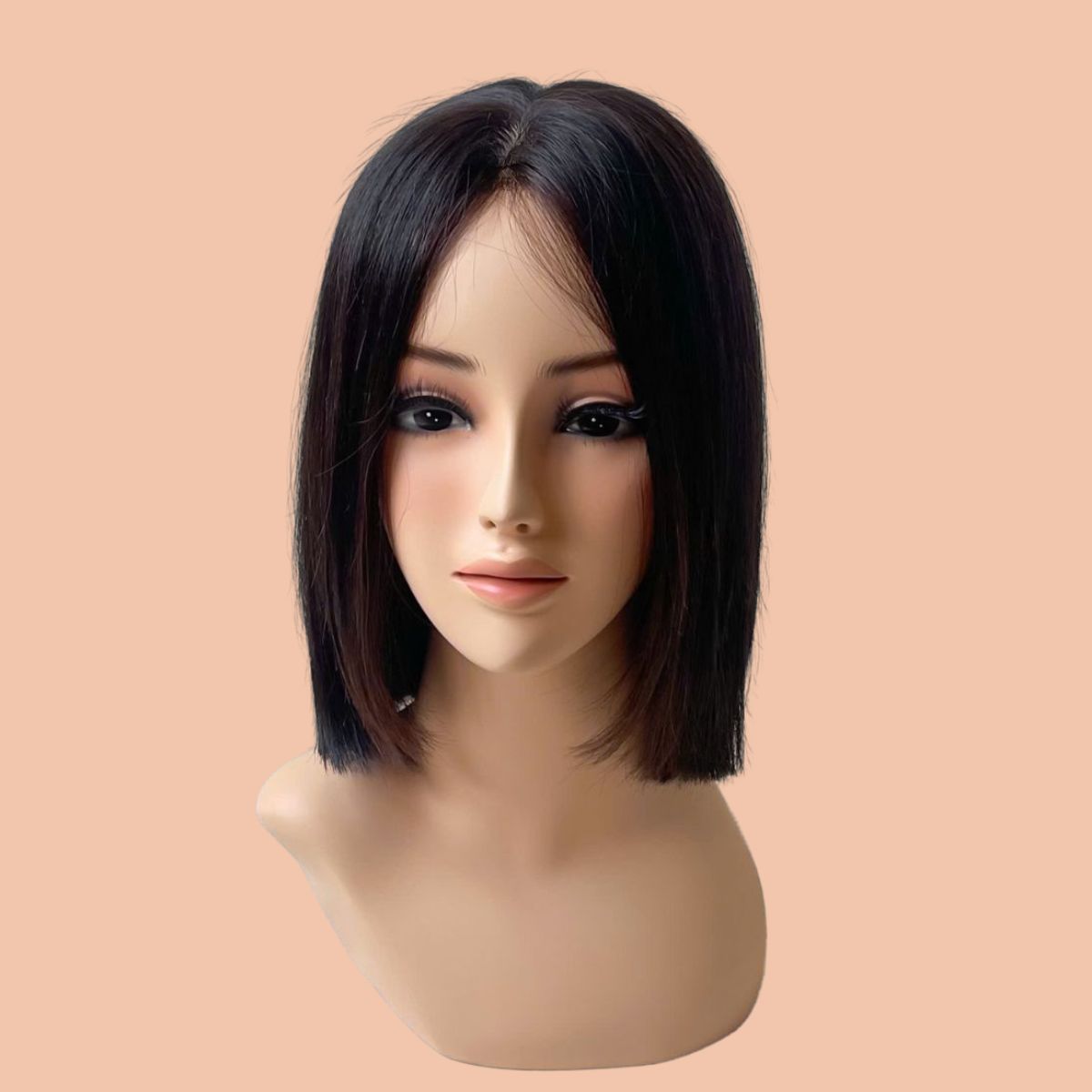
3. Square Face: Softening Strong Angles
The square face is defined by a prominent, angular jawline and roughly equal width across the forehead, cheekbones, and jaw. While showcasing strength and structure, the goal with a toupee is often to soften these sharp angles and introduce curves and movement.
- Goal: Add softness, roundness, and texture to counterbalance the strong jawline. Avoid sharp, geometric cuts, center parts, or styles that end directly at the jawline, which can emphasize squareness.
- Ideal Toupee Styles in Detail:
- Layered Styles with Movement: Incorporating layers throughout the toupee breaks up the solid silhouette and introduces softness. Layers around the face, particularly those falling slightly over the temples or jaw corners, can visually soften the angles. Longer layers on top add height and roundness. Styling Tip: Use a light mousse or styling cream to encourage movement. Avoid heavy waxes that clump layers together. Human hair toupees offer excellent versatility for layered cuts.
- Wavy or Curly Texture: Natural-looking waves or curls are highly effective at counteracting sharp angles. The roundness of the curls adds softness and volume in a non-structured way, detracting from the jawline’s severity. Styling Tip: Use curl-enhancing products and avoid over-brushing, which can cause frizz. A diffuser attachment when drying can help maintain curl definition. Both human hair and high-quality synthetic fibers can provide realistic wave patterns.
- Side-Swept Fringe or Soft Bangs: A fringe swept to the side breaks up the squareness of the forehead and draws the eye diagonally, softening the overall look. Avoid blunt, heavy bangs which can mimic the strong jawline. Soft, textured bangs achieve a gentler effect. Styling Tip: Use a round brush while blow-drying to create a soft sweep. A light hairspray can hold it in place. A lace front is almost essential for a natural-looking fringe area.
- Phuc Thien Toupee Insight: Texture is your friend. Even if you prefer a generally straight style, incorporating subtle texture or slight waves, especially around the face, makes a significant difference in softening a square jaw. We often recommend human hair systems for the most natural movement in layered and wavy styles.
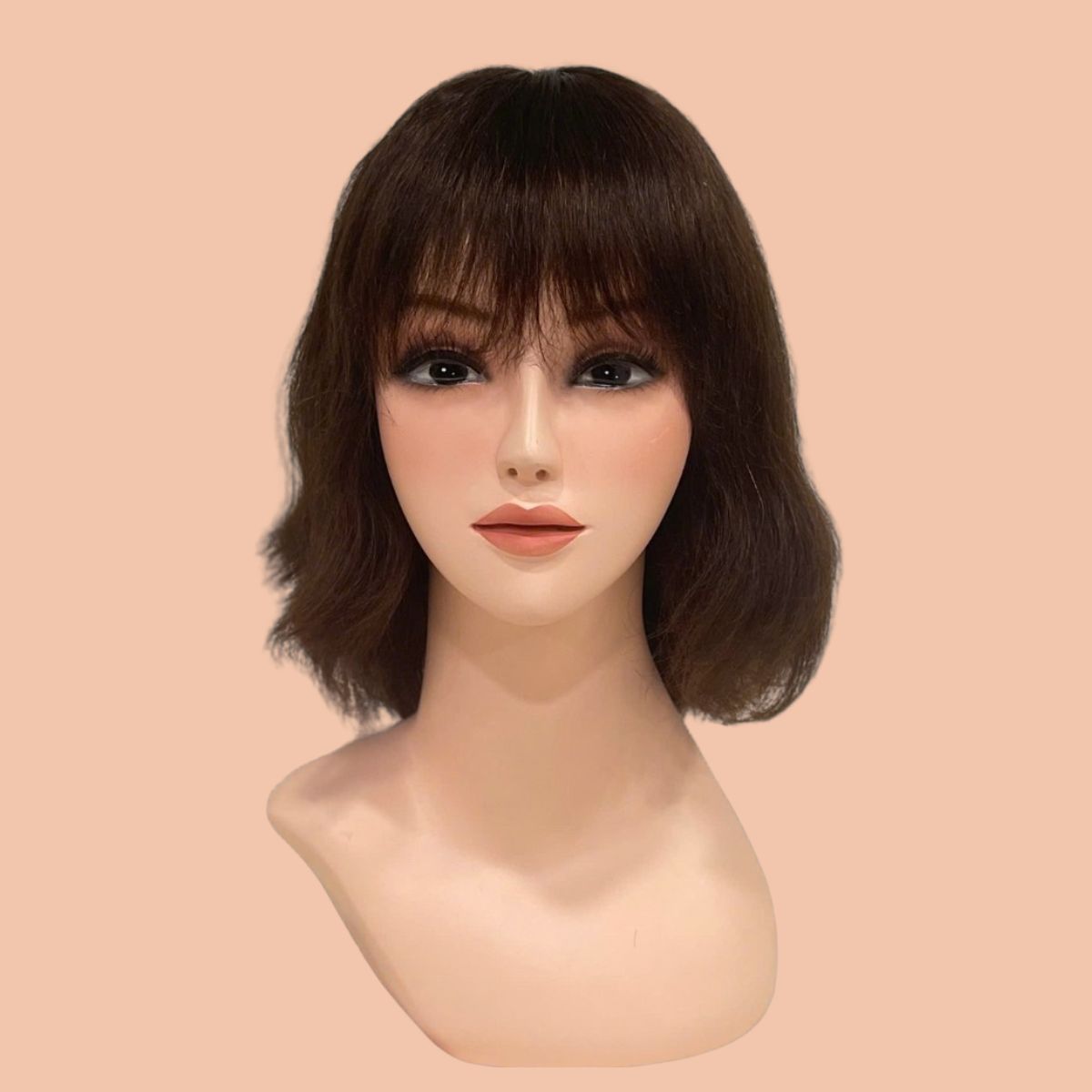
4. Heart Face: Balancing Width and Narrowness
The heart-shaped face is characterized by a wider forehead and cheekbones, gradually narrowing down to a smaller, often pointed chin. The key is to balance these proportions by adding perceived width or volume near the lower half of the face while minimizing emphasis on the broader forehead.
- Goal: Add volume/width around the chin and jawline, reduce perceived width at the forehead. Avoid styles with excessive height or volume on top, or those slicked back tightly at the sides which emphasize the forehead width.
- Ideal Toupee Styles in Detail:
- Chin-Length or Slightly Longer Styles: Hairpieces extending to or slightly below the chin help fill the space around the narrower jawline, creating a more balanced oval illusion. Layers starting around the cheekbones and flowing downwards add beneficial width. Styling Tip: Style the ends to flip out slightly or have gentle waves/volume around the chin area. Use volumizing products focused on the lower sections.
- Side Part with Soft Fringe: A deep side part can effectively minimize the width of the forehead. Pairing this with a soft, side-swept fringe further distracts from the forehead and draws attention towards the eyes. Styling Tip: Ensure the fringe blends smoothly into the rest of the style. Avoid heavy, blunt fringes.
- Textured Volume Focused Lower: Styles that incorporate texture and volume, but concentrate this fullness around the jawline rather than the crown, work well. Think textured layers that start lower down or styles with natural wave that expands near the bottom. Styling Tip: Apply texturizing sprays or creams primarily to the mid-lengths and ends. A lighter density on top might be preferable.
- Phuc Thien Toupee Insight: Proportional balance is critical. We often customize the density, making it slightly fuller towards the bottom of the hairpiece for heart-shaped faces. Avoid overly short styles unless they incorporate significant texture around the jaw.

5. Diamond Face: Highlighting Eyes and Softening Cheekbones
Diamond faces are widest at the cheekbones, with narrower foreheads and jawlines. The objective is to soften the prominent cheekbones while adding perceived width to the forehead and chin area, creating a more balanced, oval-like appearance.
- Goal: Add width/fullness at the forehead and jawline, soften the cheekbones. Avoid styles that are pulled back tightly at the sides (emphasizing cheekbones) or have excessive height concentrated only at the very top center.
- Ideal Toupee Styles in Detail:
- Styles with Forehead Fullness (Fringe/Bangs): Incorporating a fringe or bangs, whether full or side-swept, adds width to the forehead area, balancing the narrower top third of the face. Textured bangs work particularly well. Styling Tip: Style bangs to have some volume and softness, avoiding overly flat or severe looks. A lace front base provides the most natural appearance for fringes.
- Chin-Length Bobs or Layered Styles: Similar to heart shapes, styles ending around the chin add necessary width to the lower face. Layers that fall onto or slightly curve around the cheekbones can soften their prominence. Styling Tip: Encourage volume and texture around the jawline using styling products and techniques like round brushing or gentle waves.
- Side Part with Volume: A side part helps break up the symmetry and can add softness. Ensure the style incorporates some volume or texture, particularly towards the forehead and jaw, rather than being completely flat against the head. Styling Tip: Use root-lifting sprays or mousse at the forehead area when styling. Ensure the sides aren’t slicked back too tightly over the cheekbones.
- Phuc Thien Toupee Insight: Softening the cheekbone area is often achieved not just by the cut, but by how the hairpiece falls. We ensure the hair fibers have natural movement and can be styled to gently frame or sweep across the cheekbones, rather than pulling away from them. Careful layering is key.

Choosing the Right Toupee: Key Considerations
Beyond face shape, several other factors play a crucial role in selecting the perfect toupee. These include hair color, hair texture, base material, and attachment method.
1. Hair Color
Matching your toupee’s hair color to your natural hair is essential for a seamless and natural look. Consider subtle variations to add depth and dimension.
- Tips:
- Take samples of your natural hair to a professional toupee stylist.
- Consider adding highlights or lowlights for a more natural look.
- Choose a color that complements your skin tone.
- Example: According to a survey by the Hair Loss Society, 85% of toupee wearers prioritize color matching for a natural appearance.
🎨 Your style, your hair — we make it exactly how you want.
2. Hair Texture
Matching the texture of your toupee to your natural hair is equally important. Whether you have straight, wavy, curly, or coily hair, ensure your toupee blends seamlessly.
- Tips:
- Consider the curl pattern and density of your natural hair.
- Opt for a toupee that can be styled to match your natural texture.
- Use hair products designed for your hair type to maintain consistency.
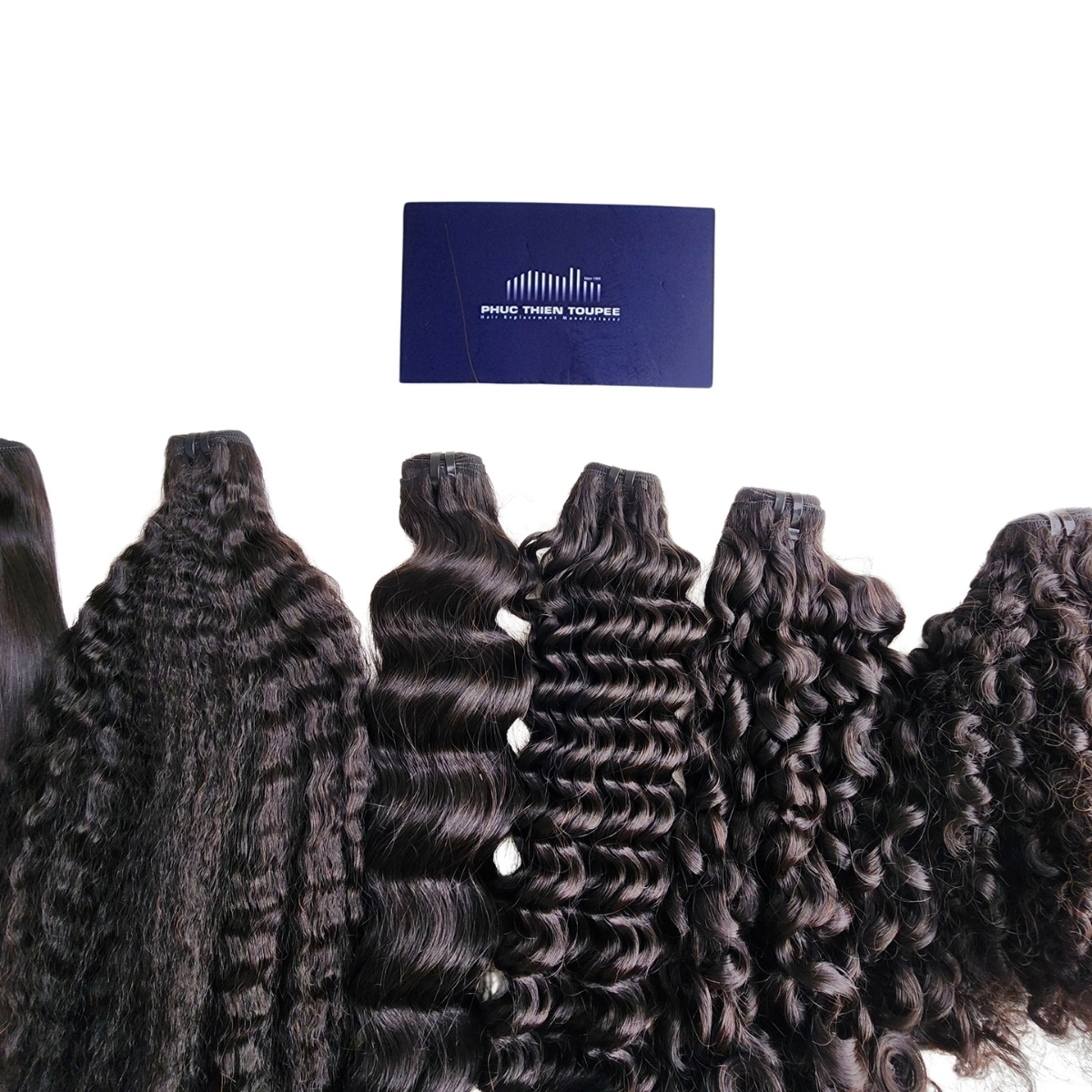
3. Base Material
The base material of your toupee affects its comfort, durability, and natural appearance. Common base materials include lace, skin, and monofilament.
- Lace: Offers a natural hairline and breathability.
- Skin: Provides a realistic scalp appearance.
- Monofilament: Offers durability and versatility in styling.
Table 7: Toupee Base Materials
| Material | Pros | Cons |
| Lace | Natural hairline, breathable | Can be more delicate, requires careful maintenance |
| Skin | Realistic scalp appearance | Can be less breathable, may require more frequent cleaning |
| Monofilament | Durable, versatile styling options | May not appear as natural as lace or skin, slightly less breathable |
4. Attachment Method
The attachment method determines how securely your toupee stays in place. Options include tape, glue, clips, and integrated systems.
- Tape: Provides a temporary, easy-to-use solution.
- Glue: Offers a more secure and longer-lasting hold.
- Clips: Ideal for those who want a non-adhesive option.
- Integrated Systems: Involve weaving the toupee into your natural hair for a permanent solution.
Table 8: Toupee Attachment Methods
| Method | Pros | Cons |
| Tape | Easy to use, temporary | Requires frequent replacement, not ideal for active lifestyles |
| Glue | Secure hold, longer-lasting | Requires skill to apply and remove, can irritate skin |
| Clips | Non-adhesive, easy to remove | Can be less secure, may damage natural hair |
| Integrated | Permanent, natural look | Requires professional installation and maintenance |
Step-by-Step Guide to Choosing and Styling Your Toupee
Here’s a detailed guide to help you choose and style your toupee:
Step 1: Accurately Identify Your Face Shape
Why it’s crucial: This is the foundation. Choosing a style incompatible with your face shape can lead to an unnatural or unflattering appearance, undermining the purpose of wearing a hairpiece.
How to do it:
- Mirror Method: Stand facing a mirror. Use a non-permanent marker (like a dry-erase marker or soap) to trace the outline of your face directly onto the mirror. Step back and look at the shape you’ve drawn. Compare it to standard shapes (Oval, Round, Square, Heart, Diamond).
- Photo Method: Take a clear photo of yourself facing directly into the camera, with your hair pulled back. Print it out or view it on screen and analyze the outline, width, and length proportions.
- Measurement Method (Optional, More Precise): Use a flexible tape measure. Measure:
- Forehead Width: Across the widest part of your forehead.
- Cheekbone Width: Across the widest part of your cheekbones.
- Jawline Width: From the point of your chin to the corner of the jaw below your ear, then multiply by two.
- Face Length: From the center of your hairline to the tip of your chin. Compare these measurements. For example, equal width and length suggest Round or Square; wider forehead than jaw suggests Heart; widest at cheekbones suggests Diamond.
Action: Once identified, keep your face shape firmly in mind for the next steps. Refer back to the detailed descriptions in the previous section.
🔍 Looking for a specific size, base, or hair color? Order a fully personalized toupee now!
Step 2: Select Potential Toupee Styles Based on Your Face Shape
Why it’s crucial: Knowing your shape allows you to filter options effectively, focusing on styles scientifically and artistically proven to complement your features.
How to do it:
- Review Recommendations: Carefully read the expanded “5 Toupee Styles for Different Face Shapes” section above. Note the styles recommended specifically for your shape.
- Consider Lifestyle & Personality: Are you in a formal corporate environment or a creative field? Are you highly active? Do you prefer low-maintenance or enjoy styling? Your daily routine and personal style should influence the type of recommended style you lean towards (e.g., a high-maintenance pompadour might not suit someone constantly wearing a helmet).
- Gather Inspiration (Carefully): Look at photos of hairstyles you like, but filter them through the lens of your face shape recommendations. Does that style incorporate features (like height, layers, fringe) suggested for your shape?
Action: Create a shortlist of 2-3 potential styles that align with your face shape recommendations and lifestyle preferences.

Step 3: Choose the Right Hair Color and Texture
Why it’s crucial: Mismatching color or texture is one of the quickest ways to make a toupee look unnatural. Seamless blending is key for believability.
How to do it:
- Color Matching:
- Natural Light is Best: Always assess color samples in natural daylight, as artificial lighting can distort hues.
- Match Existing Hair: If you have remaining hair (sides, back), the toupee must match this precisely. Take samples if possible, or high-resolution photos in natural light. Phuc Thien Toupee uses detailed color rings and can even take physical samples for custom orders.
- Consider Gradual Changes: Hair naturally has subtle variations. A solid block color can look artificial. Consider options with slight highlights, lowlights, or a percentage of gray blended in (if appropriate for your age and existing hair) for hyper-realism.
- Skin Tone: While matching existing hair is primary, ensure the chosen color also complements your skin tone (cool, warm, neutral). A drastically wrong undertone can make you look washed out or sallow.
- Texture Matching:
- Analyze Your Hair: Is your natural hair fine, medium, or coarse? Is it straight, wavy, curly, or coily? What is the specific wave/curl pattern (e.g., 2a, 3c, 4b)?
- Select Compatible Fibers: Human hair offers the most natural texture variability and styling options. High-quality synthetic fibers have improved significantly and can mimic many textures well, often with less maintenance for holding style. Discuss the pros and cons of each with your provider.
- Density Matters: Match the hair density (hairs per square inch) to your existing hair’s density for a seamless transition. Too dense can look bulky; too sparse might not provide adequate coverage.
Action: Finalize your color and texture choice, ideally with professional guidance using color rings and texture samples. Specify any desired blending (e.g., “Color 4 with 10% gray distributed evenly”).
Step 4: Select the Appropriate Base Material and Attachment Method
Why it’s crucial: This impacts comfort, appearance (especially the hairline), durability, maintenance requirements, and security. Your lifestyle heavily influences the best choice.
How to do it:
- Evaluate Base Materials (Revisit Table 7):
- Lace (French/Swiss): Best for natural, invisible hairlines. Breathable but more delicate. Requires careful handling. Ideal for styles worn off the face.
- Skin (Polyurethane/PU): Creates a realistic scalp appearance, easy to clean adhesive residue from. Can be less breathable, potentially warmer. Thinner skin bases offer realism but less durability.
- Monofilament: Very durable, allows multi-directional parting. Can be slightly less invisible at the edge than lace or thin skin. Often combined with other materials (e.g., lace front).
- Hybrid Bases: Many modern systems combine materials (e.g., lace front for hairline, poly perimeter for easy tape/glue application, mono top for durability).
- Evaluate Attachment Methods (Revisit Table 8):
- Tape (Double-Sided): Easy to apply/remove daily or for a few days. Good for beginners. Hold varies by tape type (e.g., low tack vs. extended wear). Can leave residue. Less secure for heavy sweating/swimming.
- Glue (Liquid Adhesive/Bonding): Provides the most secure, longer-lasting hold (weeks). Requires careful application, skin patch tests, and specific removers. Best for active lifestyles and maximum confidence. Can irritate sensitive skin.
- Clips: Snap onto existing hair. Easy on/off, no adhesives. Requires sufficient existing hair for attachment. Can cause traction alopecia if placed improperly or too tight long-term. Less secure than bonding.
- Integration: Woven or linked into existing hair. Semi-permanent. Requires professional application and regular maintenance (tightening). Offers high security but relies on existing hair strength.
- Match to Lifestyle: Highly active person? Consider secure bonding. Prefer easy daily removal? Tape or clips might work. Prioritize hairline realism above all? Lace front is key. Need maximum durability? Monofilament components help.
Action: Discuss your lifestyle, desired hold time, maintenance tolerance, and aesthetic priorities with your provider (like Phuc Thien Toupee) to select the optimal base and attachment combination.

Step 5: Consult with and Utilize a Professional Stylist/Technician
Why it’s crucial: A professional brings expertise in fitting, cutting, blending, and styling hair systems that amateurs cannot replicate. This step transforms a “product” into your hair.
How to do it:
- Initial Consultation: A thorough consultation (like those offered by Phuc Thien Toupee) involves precise measurements, face shape analysis, color/texture matching, discussing lifestyle needs, explaining base/attachment options, and potentially creating a template or mold of your head shape/hair loss pattern.
- Professional Ordering/Customization: They can ensure the correct specifications are ordered or guide a custom unit’s creation.
- Fitting and Attachment: Professionals are skilled in applying tapes or adhesives correctly for a secure, comfortable fit without damaging skin or the unit.
- Cutting and Blending: This is vital. The toupee arrives as a blank slate of hair. A skilled stylist specializing in hair systems will cut the hairpiece while it’s on your head to blend seamlessly with any existing hair, create the desired style, layer it naturally, and ensure it looks like it’s growing from your scalp. Standard barbers/stylists often lack this specific skill.
- Styling Lesson: Ask the stylist to show you how to style your new hair day-to-day using recommended products.
Action: Do not skip this step. Invest in professional fitting, cutting, and blending. Schedule follow-up appointments as needed for maintenance or adjustments.
Step 6: Learn to Style and Maintain Your Toupee
Why it’s crucial: Proper care extends the lifespan of your investment and keeps it looking natural and vibrant. Incorrect handling can quickly damage the hair or base.
How to do it:
- Use Recommended Products: Use shampoos, conditioners, and styling products specifically designed for hair systems (or differentiating between human/synthetic hair). Avoid harsh sulfates or alcohols that can dry out the hair. Phuc Thien Toupee can recommend suitable product lines.
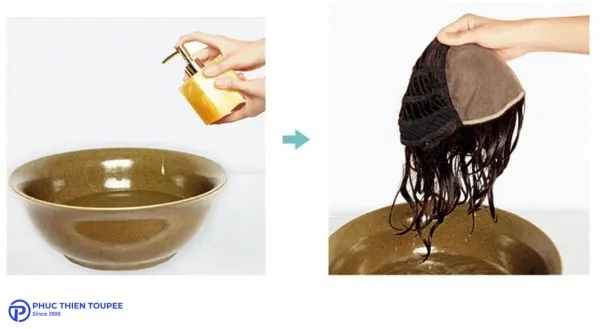
- Gentle Washing: Follow instructions for washing frequency (typically less often than natural growing hair). Use cool or lukewarm water. Avoid vigorous scrubbing; gently smooth products through the hair. Rinse thoroughly.
- Careful Drying: Pat gently with a towel; do not rub. Air drying on a wig stand is ideal. If blow-drying, use a low heat setting and keep the dryer moving.
- Detangling: Use a wide-tooth comb or specialized loop brush, starting from the ends and working up to the base to prevent tension and shedding. Be extra gentle near the base knots/injection points.
- Styling: Apply heat protectant if using heat tools (on human hair only, typically). Avoid excessive heat. Learn the basic styling techniques shown by your stylist.
- Storage: When not wearing (if using temporary attachments), store the toupee on a wig stand or mannequin head to maintain its shape and prevent tangling. Keep it away from direct sunlight and excessive heat/humidity.
- Regular Maintenance: Adhere to recommended schedules for reattachment (if using bonding/tape), cleaning, and professional check-ups.
Action: Establish a consistent care routine using the right products and techniques. Treat the hairpiece gently to maximize its appearance and longevity. Refer to the detailed “Toupee Maintenance Tips” section and any specific care instructions provided by Phuc Thien Toupee or the manufacturer.
By diligently following these steps, guided by professional expertise from sources like Phuc Thien Toupee, you significantly increase your chances of selecting, wearing, and enjoying a toupee that looks remarkably natural, perfectly complements your face shape, and powerfully enhances your self-image.
Toupee Maintenance Tips
Proper maintenance is crucial for extending the life of your toupee and keeping it looking its best. Here are some essential maintenance tips:
- Regular Cleaning: Wash your toupee regularly with a mild shampoo and conditioner.
- Proper Storage: Store your toupee on a wig stand or in a protective case to prevent damage.
- Avoid Heat: Limit the use of heat styling tools to prevent damage to the hair fibers.
- Professional Maintenance: Schedule regular maintenance appointments with a professional stylist to address any issues and maintain the toupee’s appearance.
The Psychological Benefits of Wearing a Toupee
Wearing a toupee can have significant psychological benefits, including increased self-esteem, improved confidence, and a more positive body image.
- Increased Self-Esteem: Regaining a full head of hair can boost your self-esteem and confidence.
- Improved Confidence: Feeling good about your appearance can lead to increased confidence in social and professional settings.
- Positive Body Image: A toupee can help you feel more comfortable and satisfied with your appearance.
- Social Benefits: Many people feel more confident and socially engaged when they are happy with their hair.
Enhance your features: Achieve Natural Look Toupee Application with expert Toupee Styling Products
Why Choose Phuc Thien Toupee?
At Phuc Thien Toupee, we are committed to providing our customers with the highest quality toupees and exceptional customer service. Our team of experienced stylists and consultants will help you find the perfect toupee to complement your face shape, hair color, and lifestyle.
- Expert Consultation: Our expert consultants will guide you through the selection process and help you choose the right toupee for your needs.
- Customization Options: We offer a wide range of customization options to ensure a perfect fit and natural appearance.
- High-Quality Materials: We use only the highest quality materials to create durable and long-lasting toupees.
- Exceptional Customer Service: We are dedicated to providing our customers with exceptional customer service and support.
✨ A toupee shouldn’t just hide hair loss — make it a style statement!
Conclusion: Toupees for Face Shapes
Choosing the right toupee for your face shape is a transformative decision that can significantly enhance your appearance and boost your confidence. By understanding your face shape, considering key factors like hair color, texture, and base material, and consulting with a professional stylist like Phuc Thien Toupee, you can achieve a natural, flattering look that makes you feel your best.
Embrace the opportunity to redefine your style and rediscover your confidence with the perfect toupee. Whether you’re aiming for a classic, modern, or bold look, the right toupee can help you achieve your desired aesthetic and embrace a new chapter in your personal style journey. Trust Phuc Thien to help you find the perfect hairpiece for your unique features.
Phuc Thien Toupee Co., Ltd
Design Brand: Royal Hair Vietnam
Office Address:
🏢 Room A909, Decapella Building, 116 Luong Dinh Cua Street, An Khanh Ward, Thu Duc City, Ho Chi Minh City 700000, Vietnam
Factory Address:
🏭 No. 26/9, Street 57, Thuong Hamlet, Tan Thong Hoi Ward, Cu Chi District, Ho Chi Minh City 700000, Vietnam
Email: ✉️ phucthientoupeevn@gmail.com
Phone / WhatsApp: 📞 +84 933 901 196
Websites: 🌐 phucthientoupee.com – 🌐 royalhair.shop



