

- 08/06/2025
- Posted by: phucthien
- Category: Blog

Navigating hair replacement systems can feel overwhelming, especially when finding the perfect fit. Custom base size and shape options are the key to achieving a natural-looking and comfortable hair system. Phuc Thien Toupee is here to guide you through the process, ensuring you find a hair solution that boosts your confidence.
Think of your hair system as a tailored suit – the more precisely it fits, the better it looks and feels. By understanding the importance of custom base size and shape, you can unlock a world of possibilities for achieving your desired hairstyle and appearance. Let’s explore the ins and outs of achieving a perfect fit, using personalized hairpieces and hair integrations to enhance your look.
Understanding Custom Base Size and Shape for Hair Systems
The foundation of a successful hair system lies in its base. A properly sized and shaped base ensures a secure, comfortable, and undetectable fit. This section delves into the nuances of custom base design.
Why Customization Matters: The Perfect Fit
Generic, one-size-fits-all hair systems often fall short in meeting individual needs. Customization addresses these limitations:
- Natural Look: A base that conforms to your scalp’s unique contours creates a seamless blend with your natural hairline.
- Comfort: A precisely fitted base minimizes slippage, itching, and discomfort, allowing you to wear your hair system with confidence all day long.
- Security: A custom fit provides a secure hold, preventing embarrassing situations during physical activity or windy conditions.
- Versatility: Customization opens up a range of styling options, allowing you to part your hair in different ways without revealing the system’s edges.
✂️ Be unique — create your custom-made toupee today!
Key Considerations for Base Size
Determining the correct base size involves measuring the area of hair loss and considering the desired coverage.
- Measuring Your Scalp: Use a flexible measuring tape to accurately measure the length and width of the balding area.
- Coverage Area: Decide how much coverage you need. Do you want to cover only the balding area, or do you prefer additional coverage for styling purposes?
- Hair Density: Consider the density of your natural hair. A denser hair system may require a larger base for a balanced look.
Example: Let’s say you’ve measured your balding area to be 5 inches in length and 4 inches in width. You might opt for a base that’s slightly larger (e.g., 6×5 inches) to ensure full coverage and a secure attachment.

Tailored just for you: Explore unique Custom Base Design Options for your system
Exploring Different Base Shapes
Base shape is just as important as size. Common base shapes include:
- Full Cap: Covers the entire head, often used for complete hair loss.
- Frontal: Covers only the front hairline and temples, ideal for receding hairlines.
- Top Piece: Covers the crown and top of the head, suitable for thinning hair in these areas.
- Custom Shapes: Tailored to fit unique balding patterns, such as horseshoe-shaped hair loss.
Choosing the Right Shape:
The ideal base shape depends on the pattern of hair loss. For example, someone with a receding hairline would benefit from a frontal base, while someone with diffuse thinning might prefer a top piece.
Materials and Construction: Building a Custom Base
The choice of materials and construction techniques greatly impacts the comfort, durability, and natural appearance of your hair system.
Base Materials Explored: Pros, Cons, and Best Uses
Choosing the right base material is perhaps the most critical decision after determining size and shape. Each material offers a unique blend of characteristics.
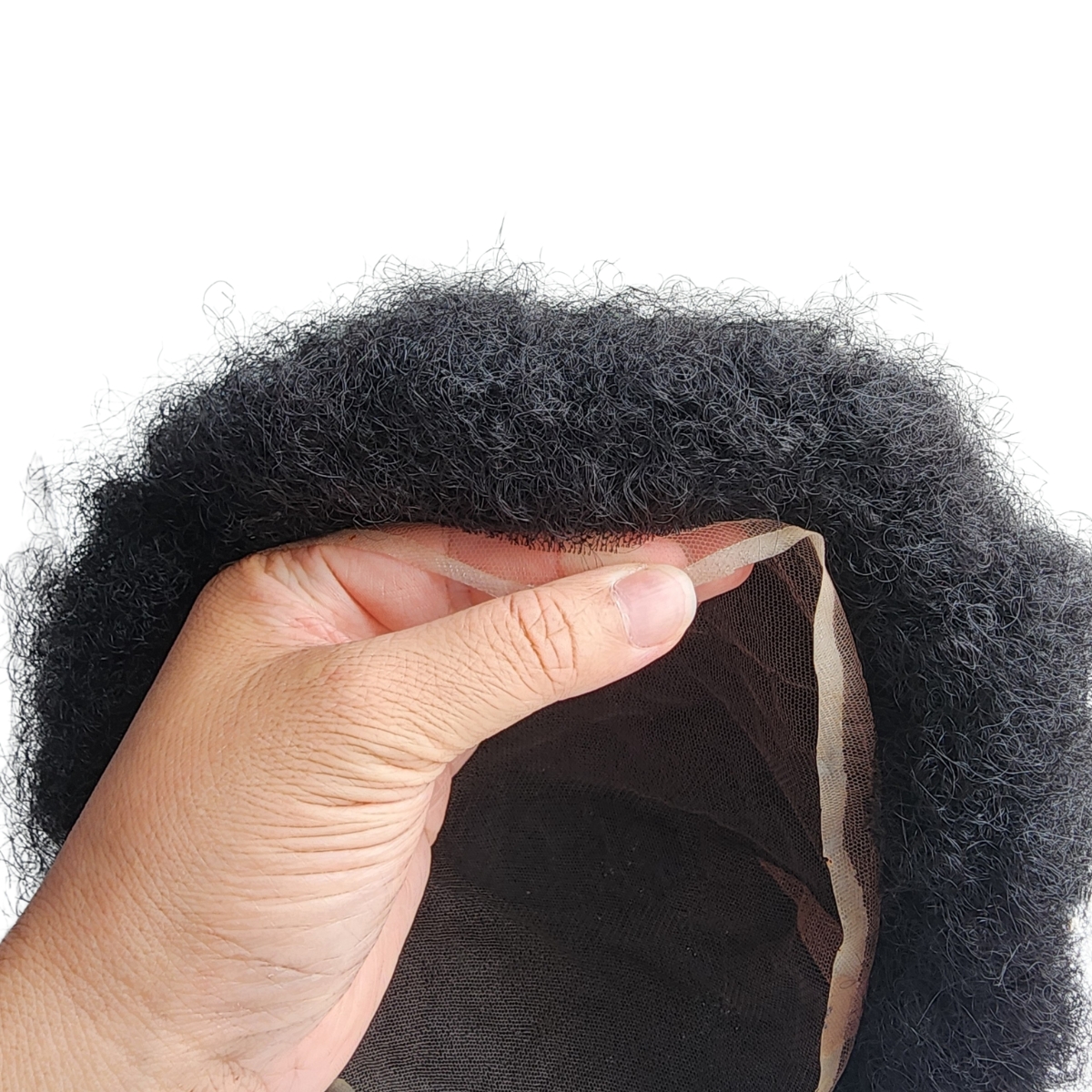
- Lace (Swiss Lace, French Lace):
- Description: Lace bases are made from delicate, mesh-like fabrics. Swiss lace is the finer, more undetectable but more fragile option. French lace is slightly more durable while still offering excellent realism.
- Pros:
- Unmatched Breathability: The mesh structure allows air and moisture to pass through, keeping the scalp cooler and reducing sweat buildup, ideal for warm climates or active individuals.
- Superior Natural Hairline: When properly applied, lace melts into the skin, creating the illusion of hair growing directly from the scalp. Knots can often be bleached for further invisibility.
- Lightweight Comfort: You’ll barely feel it’s there.
- Cons:
- Delicate Nature: Especially Swiss lace, requires careful handling during application, removal, and cleaning to prevent tearing.
- Potential for Fraying: Edges can fray over time with wear and tear.
- Adhesive Management: Liquid adhesives can sometimes seep through the mesh if applied too thickly. Requires practice for clean application.
- Shorter Lifespan: Generally, lace systems have a shorter lifespan compared to more robust materials due to their delicate nature (expect 3-6 months typically with good care).
- Best For: Those prioritizing the most natural-looking hairline, people in hot climates, individuals with active lifestyles, experienced users comfortable with careful handling. Phuc Thien often recommends French lace for a good balance of realism and usability.
- Skin (Polyurethane – Poly):
- Description: These bases are made from thin layers of polyurethane, designed to mimic the appearance and feel of skin. They come in various thicknesses, from ultra-thin (like cling film) to medium thickness (around 0.08mm).
- Pros:
- Realistic Scalp Appearance: Polyurethane creates a seamless, skin-like surface where the hair appears to emerge naturally.
- Ease of Cleaning: Adhesives and tapes adhere well and are generally easier to clean off a smooth poly surface compared to lace.
- Strong Adhesive Bond: Provides a very secure attachment, giving users confidence.
- Durability (Thickness Dependent): Thicker poly bases (0.06mm+) offer good durability.
- Cons:
- Reduced Breathability: Solid poly does not allow air to pass through, which can lead to heat and sweat buildup, especially in warmer weather or during exercise.
- Potential for Shine: Some poly bases can have a slight shine, which may require матирование products or techniques for a completely natural look.
- Can Tear (Ultra-Thin): Ultra-thin skin bases (0.02-0.04mm) offer incredible realism but are very delicate and have a shorter lifespan, requiring expert handling.
- Best For: Users seeking ease of maintenance, a very strong bond, a defined scalp look, those in cooler climates, or individuals who don’t sweat heavily. Phuc Thien helps clients choose the right thickness based on their priority between realism and durability.
- Monofilament (Mono):
- Description: A durable mesh material, typically nylon or polyester, woven more tightly than lace. Often comes in fine (softer) or welded (stiffer, more durable) varieties.
- Pros:
- Excellent Durability: Monofilament is known for its strength and longevity, often lasting longer than lace or thin skin bases (6-12+ months possible).
- Natural Scalp Illusion: Hair knotted onto mono gives a good scalp appearance, and hair can be parted freely in multiple directions.
- Holds Shape Well: Less prone to distortion than lace.
- Cons:
- Can Be Stiffer: Especially welded mono, might feel less flexible than lace or thin skin initially.
- Hairline Consideration: While the scalp look is good, the front edge might be more detectable than lace. Often combined with a lace front for the best of both worlds.
- Slightly Less Breathable than Lace: Though more breathable than poly.
- Best For: Users prioritizing durability and longevity, those who like to change their parting frequently, individuals looking for a good balance between realism and robustness.
- Combination (Hybrid) Bases:
- Description: These bases strategically combine two or more materials to leverage their respective strengths and mitigate weaknesses.
- Common Examples:
- Lace Front + Mono Top + Poly Perimeter: Offers the undetectable hairline of lace, the durable and natural parting of mono, and the easy cleanup and secure bond of a poly edge for tape or glue. This is a very popular and practical choice Phuc Thien frequently recommends.
- Skin Perimeter + Lace Center: Easy adhesive application/cleanup around the edges, with the breathability of lace in the center.
- Mono Center + Skin Perimeter: Durable parting area with easy edge cleanup.
- Pros: Highly customizable to individual needs, balances competing priorities (e.g., realism vs. ease of care).
- Cons: Can be slightly more complex in construction, potentially impacting cost.
- Best For: Almost anyone, as they can be tailored to address specific concerns and preferences. Ideal for users wanting specific benefits from different materials in one system.
Material Comparison Table:
| Feature | Lace (French/Swiss) | Skin (Polyurethane) | Monofilament (Mono) | Combination (Hybrid) |
| Realism | Highest (Hairline) | High (Scalp Look) | High (Parting) | High (Tailored) |
| Breathability | Highest | Lowest | Medium | Medium-High (Depends) |
| Durability | Lower | Medium (Thickness Dependent) | Highest | High (Depends on materials) |
| Ease of Clean | Moderate | Easiest | Moderate | Moderate-Easy (Depends) |
| Comfort | Highest (Lightweight) | High (Can be warm) | High (Can be slightly stiff) | High (Balanced) |
| Lifespan | Shorter (3-6 mo) | Variable (2-8+ mo) | Longer (6-12+ mo) | Variable (Often longer) |
| Best For | Natural hairline, Hot climate | Easy care, Strong bond, Scalp look | Durability, Flexible parting | Balancing specific needs |
Construction Techniques: Durability and Realism
How the hair is attached to the base significantly impacts the final look, feel, and longevity of the system.
- Hand-Tied:
- Process: Skilled technicians individually tie strands of hair to the base material using tiny, specialized knots. Different knotting techniques exist:
- Single Knots: Smallest, least detectable, but less secure. Often used at the very front hairline.
- Double Knots: More secure, slightly larger knot. Common throughout the system.
- Split Knots: Smaller than double knots, good balance of stealth and security.
- Bleached Knots: Knots (usually at the front) are lightened to blend with the base/scalp color, making them virtually invisible. Requires careful processing to avoid weakening the hair.
- Benefits: Allows multi-directional movement (hair moves like natural hair), provides the most natural appearance, versatile styling. This is the gold standard for high-quality custom systems.
- Where Used: Primarily on Lace and Monofilament bases.
- Process: Skilled technicians individually tie strands of hair to the base material using tiny, specialized knots. Different knotting techniques exist:
- Injected:
- Process: Hair is injected directly into the polyurethane base material, often without knots visible on the surface. Techniques include:
- V-Looping: Hair forms a ‘V’ shape, injected and returning out nearby. Very flat, no knots, but hair direction may be less flexible.
- Injection Knotting: Hair injected and then knotted underneath the base for added security.
- Benefits: Creates an incredibly flat, realistic appearance of hair growing directly from the scalp, completely knotless on top.
- Drawbacks: Hair direction might be less freestyle than hand-tied; the injection points can sometimes be weaker points over the very long term.
- Where Used: Exclusively on Skin (Polyurethane) bases.
- Process: Hair is injected directly into the polyurethane base material, often without knots visible on the surface. Techniques include:
- Machine-Made (Wefted):
- Process: Hair is sewn by machine onto strips called wefts. These wefts are then sewn onto the base structure, often a more solid cap.
- Benefits: Much faster production, significantly lower cost.
- Drawbacks: Tends to be bulkier, less natural movement, limited parting options, generally not used for high-end, custom toupees designed for seamless integration, more common in standard full wigs.
- Phuc Thien’s Focus: While machine wefting exists, Phuc Thien specializes in hand-tied and injected techniques for custom systems to ensure maximum realism and quality.
- Ventilation: This term refers to the method and density of hair attachment. Proper ventilation ensures the hair density matches your natural hair and flows correctly. Lighter density at the hairline (graduated) is crucial for realism.
Quality Commitment: Phuc Thien prioritizes meticulous hand-tying and precise injection techniques, often involving knot bleaching where appropriate, to deliver custom hair systems that are virtually indistinguishable from natural hair. Our focus is on craftsmanship that ensures both realism and reasonable durability.
🎨 Your style, your hair — we make it exactly how you want.
Customization Process: From Measurement to Delivery
Creating a custom hair system involves a collaborative process between you and Phuc Thien Toupee.
Step 1: The Crucial Consultation and Precise Measurement
This initial stage lays the groundwork for everything that follows. It’s about understanding you and gathering exact data.
- In-Depth Discussion:
- Your Goals: What look are you trying to achieve? What are your biggest concerns (hairline, density, comfort)?
- Lifestyle Assessment: Are you highly active? What is your work environment? Do you swim or play sports regularly? How much time are you willing to dedicate to maintenance?
- Hair Loss Evaluation: We carefully examine the pattern and extent of your hair loss.
- Option Education: We explain the different base materials, hair types, attachment methods, and their respective pros and cons in detail, relating them to your specific situation.
- Budget Talk: We discuss pricing transparently based on different options.
- Precise Measurement & Templating: Accuracy here is non-negotiable for a perfect fit.
- Scalp Measurements: Using a flexible tailor’s tape measure, we take multiple measurements:
- Front-to-back (from desired front hairline position to the back edge of the thinning area).
- Side-to-side (across the widest point of the thinning area).
- Temple-to-temple.
- Potentially other measurements depending on the hair loss pattern.
- Template Creation (Highly Recommended): For the most accurate shape replication, we often create a template directly on your scalp:
- Place clear plastic wrap tightly over the hair loss area.
- Use clear packing tape over the plastic wrap (2-3 layers) to create a firm, transparent mold of your scalp’s contours and the exact area needing coverage.
- Carefully trace the desired outline of the base onto the tape template with a permanent marker. Indicate the desired front hairline shape, crown location, and any specific contours (like a receding pattern you want replicated).
- Mark the desired hair direction on the template.
- Carefully remove the template. This physical mold captures your unique head shape far better than measurements alone.
- Scalp Measurements: Using a flexible tailor’s tape measure, we take multiple measurements:
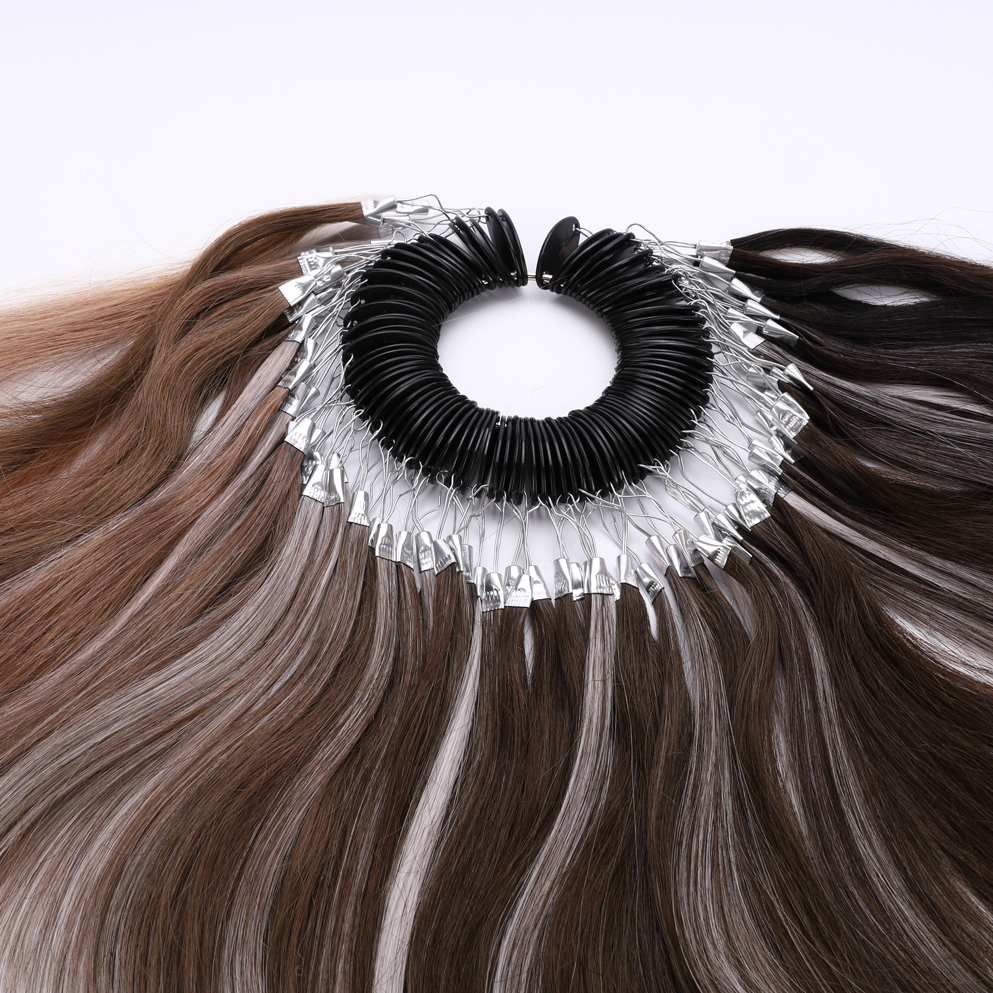
- Hair Sample Collection: We take small samples of your existing hair (if available) from different areas (sides, back) to precisely match:
- Color: Capturing the natural variations and base color.
- Texture: Fine, medium, coarse.
- Wave/Curl Pattern: Straight, wavy, curly.
- Density: Assessing the thickness of your surrounding hair for seamless blending.
Step 2: Collaborative Design and Material Selection
Armed with measurements, template, hair samples, and a clear understanding of your needs, we move to the design phase.
- Finalizing Specifications: We review all the details with you:
- Base Size & Shape: Confirmed using the template and measurements.
- Base Materials: Selecting the primary material(s) based on the consultation (e.g., French Lace front, Mono top, 1-inch Poly coating on perimeter).
- Hair Type: Discussing options like Indian Remy, European Virgin, etc., explaining quality differences and suitability.
- Hair Color: Confirming the match using samples, potentially planning for subtle blending or highlights if desired.
- Hair Density: Specifying the percentage (e.g., 90% medium-light, 110% medium) often with lighter density towards the hairline for realism.
- Hair Length: Specifying the initial length needed for cut-in and styling (usually longer than the final desired style).
- Wave/Curl: Matching your natural pattern (e.g., 30mm slight wave).
- Hair Direction/Ventilation Style: Freestyle (most versatile), specific part (left, right, center), forward direction, slight lift at front, etc.
- Hairline: Specifying the level of recession (if any), graduated density, knot bleaching (if applicable).
- Client Approval: You review the detailed order specification sheet, confirming all choices. This ensures complete transparency and that the final system will meet your expectations. Production only begins after your explicit approval.
Step 3: Meticulous Production and Rigorous Quality Control
This is where skilled artisans bring your custom design to life.
- Craftsmanship: Based on the approved specifications and template, technicians begin constructing the base and meticulously ventilating the hair (hand-tying or injecting each strand). This is labor-intensive work requiring skill and patience.
- Material Handling: Correct processing of hair (e.g., coloring, perming if required) and careful handling of base materials are paramount.
- Quality Control Checkpoints: Throughout the production process, multiple quality checks occur:
- Base construction accuracy against the template.
- Knotting/injection consistency and security.
- Hair quality, color, and texture verification.
- Density and direction accuracy.
- Final inspection against the order specifications before shipment.
- Timeline: As noted, high-quality custom production typically takes 4 to 8 weeks, sometimes longer for highly complex orders or specific hair types. Phuc Thien keeps you informed about the progress. This timeframe reflects the detailed hand-work involved.
🔍 Looking for a specific size, base, or hair color? Order a fully personalized toupee now!
Step 4: Professional Fitting, Styling, and Education
Receiving your system is just the beginning of the transformation.
- Initial Fitting Appointment:
- We place the new system on your head, checking the fit against your scalp contours and hairline position.
- We ensure the edges lay flat and the base feels secure and comfortable. Minor adjustments to the base edge can sometimes be made if necessary.
- Professional Cut-In and Styling: This is arguably as crucial as the system’s quality itself.
- Hair systems arrive with hair longer than the final style.
- An experienced stylist (ideally one familiar with hair systems) will carefully cut the system’s hair and blend it seamlessly with your existing biological hair (if any).
- This involves layering, texturizing, and shaping to create a completely natural and undetectable look that matches your desired style. Never attempt to cut in a new system yourself unless you are professionally trained.
- Client Education: We don’t just hand you the system; we empower you to care for it.
- Attachment/Removal: We demonstrate the chosen attachment method (tape, glue, clips) step-by-step, ensuring you feel confident doing it yourself.
- Cleaning & Maintenance: We provide detailed instructions on washing, conditioning, and drying.
- Product Recommendations: Suggesting specific shampoos, conditioners, styling products, and adhesives/tapes suitable for your system.
- Styling Tips: Offering advice on how to style your new hair day-to-day.
- Do’s and Don’ts: Highlighting key practices to extend the system’s life.
- Ongoing Support: Phuc Thien remains available for follow-up questions, troubleshooting, and future orders or adjustments. We aim to build a long-term relationship with our clients.

Maintenance and Care: Extending the Life of Your System
Proper maintenance is crucial for prolonging the lifespan of your custom hair system.
Essential Cleaning and Conditioning Routine
Regular cleaning removes product buildup, sweat, and environmental debris, keeping the hair fresh and the base hygienic.
- Frequency:
- General Guideline: Wash your system every 1-2 weeks.
- Adjust Based On:
- Activity Level: If you sweat heavily or exercise frequently, you may need to wash weekly or even more often (especially if using daily wear attachment).
- Products Used: Heavy use of styling products necessitates more frequent washing.
- Environment: Exposure to smoke, dust, or strong odors may require more frequent cleaning.
- Attachment Method: Extended wear (weeks) requires thorough cleaning during reapplication appointments. Daily wear allows for more frequent off-head washing.
- Choosing the Right Products:
- Shampoo: Use a high-quality, sulfate-free, paraben-free, and color-safe shampoo specifically designed for processed human hair or hair systems. Regular shampoos can strip moisture and color.
- Conditioner: Essential for restoring moisture. Again, use products formulated for hair systems. Apply primarily to the hair lengths and ends, avoiding oversaturation at the base/knots (conditioner can loosen knots over time, especially on lace).
- Leave-In Conditioner/Serum: Highly recommended to keep hair hydrated, smooth, and protected between washes. Look for light, non-greasy formulas.
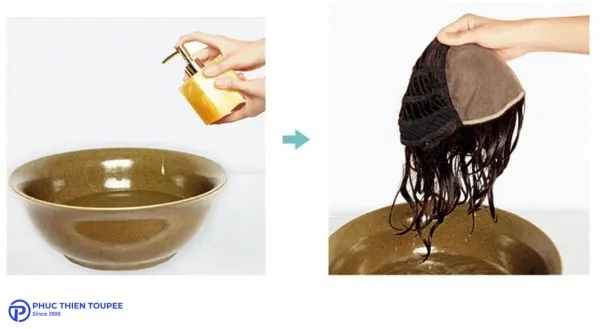
- Step-by-Step Washing Technique (Off-Head Method Recommended):
- Prepare: Fill a basin or sink with cool water. Add a small amount of system-specific shampoo and mix gently.
- Detangle: BEFORE wetting, gently detangle the hair using a wide-tooth comb or your fingers, starting from the ends and working up towards the base. Never brush harshly, especially when wet.
- Submerge & Wash: Gently submerge the hair system in the water. Use your fingers to softly stroke the shampoo through the hair in a downward motion (from base to ends). Do NOT rub, twist, or massage vigorously, as this can cause tangling and damage knots. Pay gentle attention to the inside of the base.
- Rinse: Drain the soapy water and refill the basin with clean, cool water. Rinse the system thoroughly by dipping and gently swishing until all shampoo is removed. Repeat if necessary. Ensure water flows downwards through the hair.
- Condition: Apply conditioner, focusing on mid-lengths and ends. Let it sit for 2-5 minutes (or as directed by the product). Avoid the base, especially knots on lace systems.
- Rinse Again: Rinse thoroughly with cool water until the water runs clear and the hair feels clean (not slippery).
- Remove Excess Water: Gently squeeze out excess water downwards. Place the system flat on a clean towel and pat gently – do not wring or rub.
- Air Dry: Place the system on a mannequin head or specialized stand to air dry completely. This is the gentlest method and helps maintain shape. Keep away from direct sunlight or heat sources while drying. A low, cool setting on a hairdryer can be used sparingly if needed, always keeping the dryer moving and at a distance.
Secure Attachment Methods and Careful Reapplication
How you attach your system impacts security, comfort, and base longevity.
- Liquid Adhesives (Glue):
- Types: Silicone-based (often flexible, gentler) or Acrylic-based (stronger hold). Available in various hold times (daily wear to 2-4 weeks extended wear). Water-resistant and waterproof options exist.
- Application: Requires a clean, dry scalp (use alcohol wipes). Apply a thin, even layer of adhesive to the scalp or the base (depending on product instructions). Allow it to become tacky (crucial step). Carefully align and press the system firmly into place.
- Removal: Requires specific adhesive removers/solvents. Apply the solvent, allow it to break down the bond, then gently lift the system away. Never pull forcefully. Thoroughly clean residual adhesive from both the scalp and the base after removal.
- Patch Test: ALWAYS perform a patch test on your skin 24-48 hours before using a new adhesive to check for allergic reactions.
- Tapes:
- Types: Double-sided tapes designed specifically for hair systems. Come in rolls or pre-cut contours. Vary in tackiness, residue level (low-residue options are popular), and hold duration (daily to extended wear). Different types work better on different bases (e.g., no-shine tapes for lace).
- Application: Apply tape strips to the designated areas on the underside of the base (often the perimeter). Peel off the backing paper. Align and press the system firmly onto a clean, dry scalp.
- Removal: Generally easier than liquid adhesives. Peel the system off gently. Tape residue can be removed from the base and scalp using appropriate removers or citrus-based cleaners.
- Clips:
- Method: Small clips are sewn securely around the perimeter of the base. These clips then fasten onto your existing biological hair.
- Pros: No chemicals on the scalp, easy daily on/off, allows scalp to breathe overnight.
- Cons: Requires sufficient existing hair with enough strength to hold the clips securely. Less secure than adhesives/tape for very active lifestyles. Potential for long-term traction alopecia if clips are too tight or always placed in the same spot.
- Reapplication Schedule & Scalp Care:
- Frequency: Depends entirely on the method chosen, your skin’s oiliness, climate, and activity level. Daily wear means removing nightly. Extended wear can range from a few days to 4 weeks (maximum recommended for scalp health).
- Scalp Preparation: Before every reapplication, your scalp MUST be thoroughly cleaned (shampooed if possible, or at least wiped with antiseptic/alcohol) and completely dry. Using a scalp protector product can create a barrier between your skin and the adhesive/tape, improving hold and reducing irritation for sensitive skin.
✨ A toupee shouldn’t just hide hair loss — make it a style statement!
Proper Storage and Protective Measures
How you store and protect your system when not wearing it significantly impacts its condition.
- Storage:
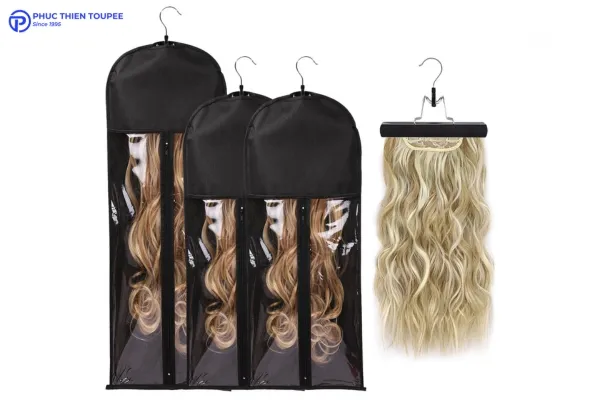
- Mannequin Head/Stand: The best way to maintain the system’s shape and prevent tangling is to store it on a Styrofoam or canvas mannequin head or a dedicated wire/plastic stand.
- Cool, Dry Place: Keep it away from direct sunlight (causes fading), excessive heat (can damage base/hair), and high humidity.
- Travel: Use a satin bag or a specific hair system travel case/box to prevent crushing and friction.
- Protective Measures:
- Heat Styling: Human hair systems can be heat styled, but always use a heat protectant spray. Use moderate temperature settings on curling irons, straighteners, and dryers. Excessive heat damages hair and can warp some base materials.
- Sun Exposure: Prolonged UV exposure fades hair color. Wear a hat or use UV-protective hair products if spending significant time outdoors.
- Sleeping: If wearing the system overnight (extended wear), sleep on a silk or satin pillowcase to minimize friction, which can cause tangling and hair breakage.
- Swimming (Chlorine/Salt Water): These can be very drying and damaging. It’s best to avoid submerging the system if possible. If you do swim, wear a secure swim cap. Afterward, rinse the system thoroughly with fresh water immediately and apply a leave-in conditioner or perform a full wash/condition routine.
- Friction: Be mindful of hats, headphones, or rough collars rubbing against the hair or base edges.
- Chemical Exposure: Avoid harsh chemicals, including hairsprays with high alcohol content, which can dry out the hair.
Understanding Lifespan and Planning for Replacement
Even with meticulous care, hair systems are not permanent. Understanding their expected lifespan helps manage expectations and budget accordingly.
- Factors Influencing Lifespan:
- Base Material: Delicate bases like ultra-thin skin and Swiss lace naturally have shorter lifespans than robust mono or thicker poly bases.
- Hair Quality & Type: Higher quality hair (e.g., Virgin) may last longer if cared for properly.
- Maintenance Routine: Consistent, correct care is the biggest factor you control. Improper washing, harsh products, or rough handling dramatically shorten lifespan.
- Lifestyle: Very active users or those in harsh environments may experience faster wear.
- Frequency of Wear: A system worn 24/7 will wear out faster than one worn only during the day or rotated with another unit.
- Attachment Method: Constant application/removal cycles can stress the base over time.
- Typical Lifespan Estimates (Averages, Varies Greatly):
- Ultra-Thin Skin (0.02-0.04mm): 1-3 months
- Thin Skin (0.05-0.08mm): 3-6 months
- Lace (Swiss/French): 3-6 months
- Monofilament: 6-12+ months
- Combination Bases: Often 6-12+ months (depends on components)
- Signs Replacement is Needed:
- Significant shedding (hair loss from the base).
- Base material tearing, thinning, or becoming brittle.
- Hair becoming excessively dry, dull, frizzy, or unmanageable despite proper conditioning.
- Knots becoming loose consistently.
- Planning Ahead: Factor hair system replacement into your budget. Many clients order their next system when they start wearing a new one to avoid being without hair if unexpected damage occurs. Having a backup system is also highly recommended.
The perfect fit: Customize your Custom Hair System Design and optimize Custom Hair System Ventilation for comfort
Conclusion: Embrace Your Transformation with Phuc Thien
Custom base size and shape are essential for achieving a natural-looking, comfortable, and secure hair system. Phuc Thien Toupee is committed to providing you with the highest quality custom hair solutions and personalized service.
Ready to experience the transformative power of a custom hair system? Contact us today for a free consultation.
Phuc Thien Toupee Co., Ltd
Design Brand: Royal Hair Vietnam
Office Address:
🏢 Room A909, Decapella Building, 116 Luong Dinh Cua Street, An Khanh Ward, Thu Duc City, Ho Chi Minh City 700000, Vietnam
Factory Address:
🏭 No. 26/9, Street 57, Thuong Hamlet, Tan Thong Hoi Ward, Cu Chi District, Ho Chi Minh City 700000, Vietnam
Email: ✉️ phucthientoupeevn@gmail.com
Phone / WhatsApp: 📞 +84 933 901 196
Websites: 🌐 phucthientoupee.com – 🌐 royalhair.shop



