

- 11/06/2025
- Posted by: phucthien
- Categories: Blog, Hair Loss & Hairpiece Options, Styling, Color & Lifestyle
No Comments

Confidence and Hairpieces: 6 Hairpieces for Alopecia
Confidence and hairpieces go hand in hand, offering a powerful solution for individuals experiencing hair loss to reclaim their self-esteem and embrace their best selves.
Understanding the Confidence Crisis of Hair Loss
Hair loss, regardless of the cause, can deeply impact self-perception and confidence.
- The Psychological Impact: Hair is often associated with youth, vitality, and attractiveness.
- Addressing the Root Cause: Alopecia and Other Conditions: Alopecia, the medical term for hair loss, encompasses various conditions, including alopecia areata (autoimmune hair loss), androgenetic alopecia (pattern baldness), and telogen effluvium (temporary hair shedding).

6 Hairpieces to Consider for Confidence
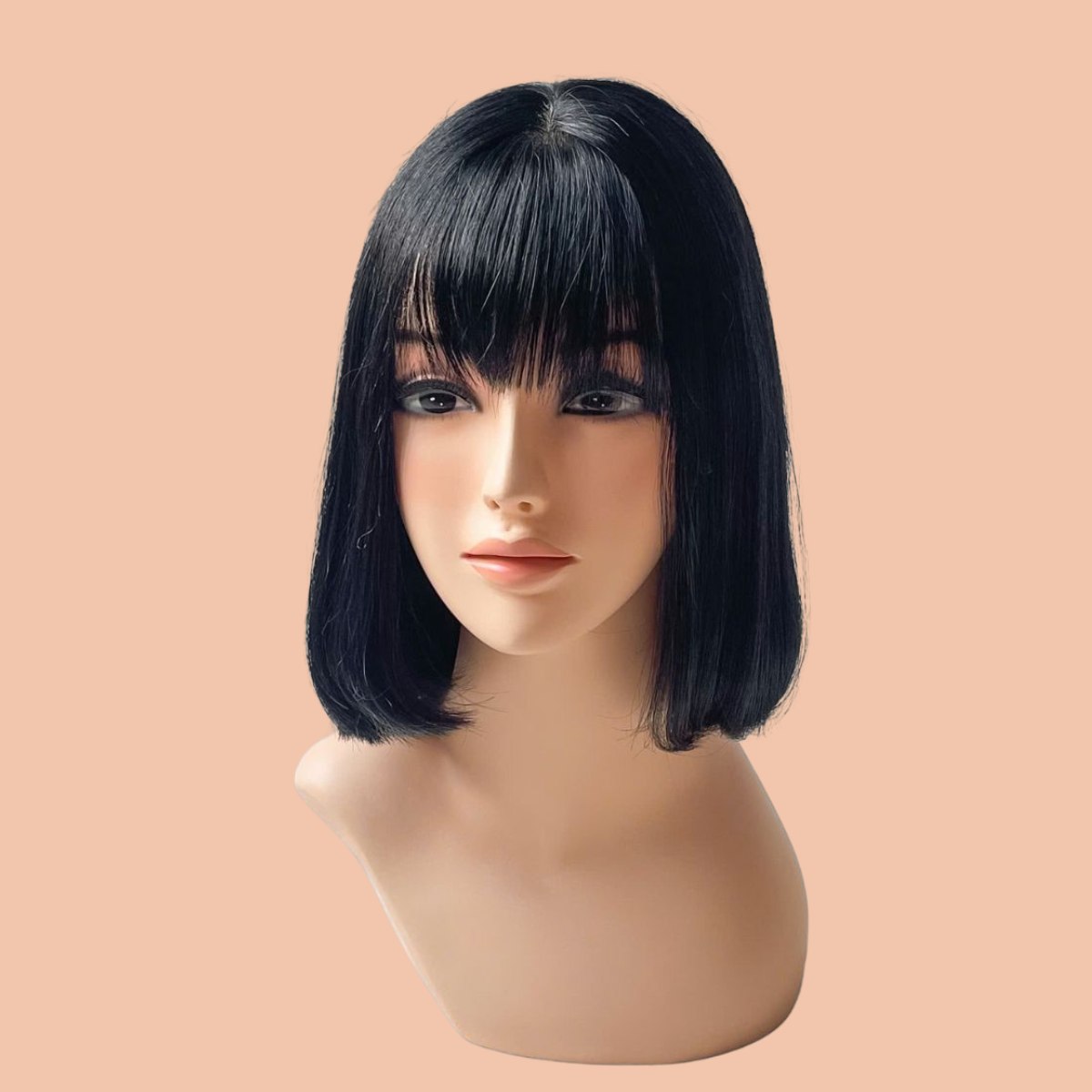
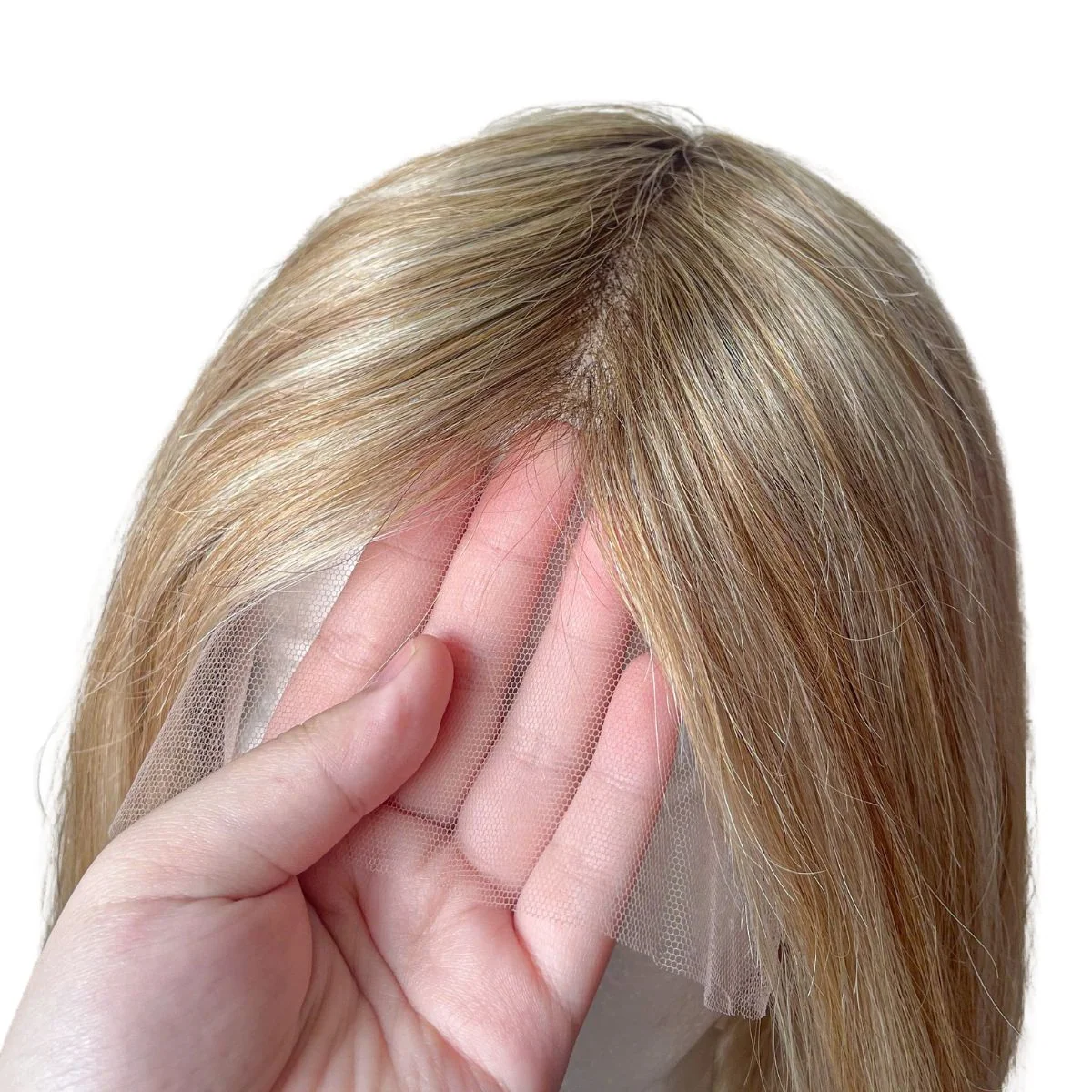
- 1. Full Lace Wigs: The Pinnacle of Realism and Styling Freedom: For those seeking the ultimate in undetectable appearance and versatile styling, a full lace wig is often the gold standard.
- 2. Lace Front Wigs: Natural Hairline Confidence with Practicality: Lace front wigs offer a fantastic balance between a highly realistic appearance where it matters most – the front hairline – and ease of use.
- 3. Monofilament Wigs: The Illusion of Growth and Parting Versatility: Monofilament wigs are celebrated for their ability to replicate the appearance of a natural scalp and offer flexible styling.
- 4. Hair Toppers (Topettes or Wiglets): Targeted Volume Where You Need It Most: Hair toppers are not full wigs but smaller pieces designed to add volume and coverage to specific areas of thinning hair, typically on the top or crown of the head.
- 5. Integration Hairpieces: Weaving Confidence with Your Natural Hair: Integration systems feature an open or webbed base construction that allows you to pull your own natural hair through the openings.
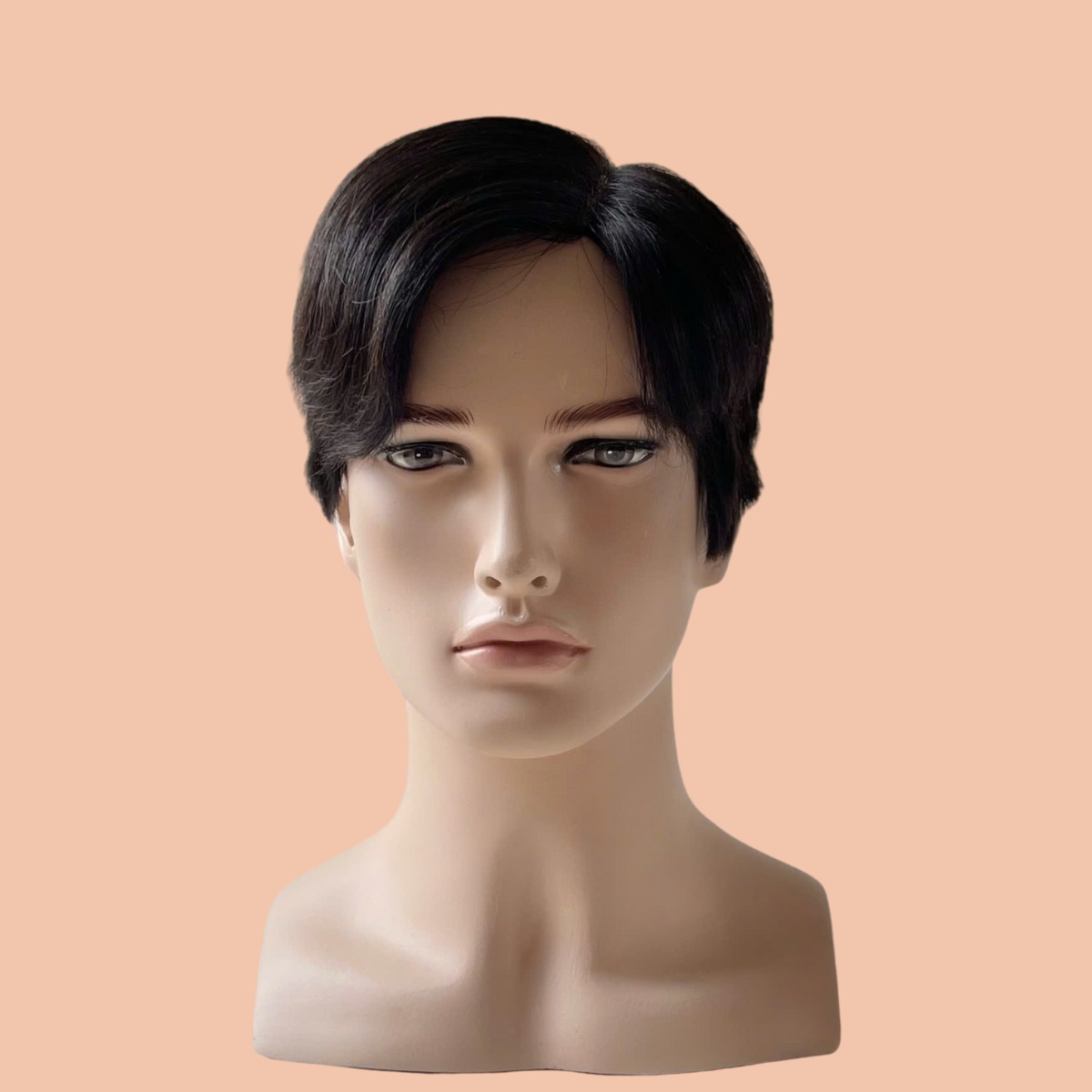
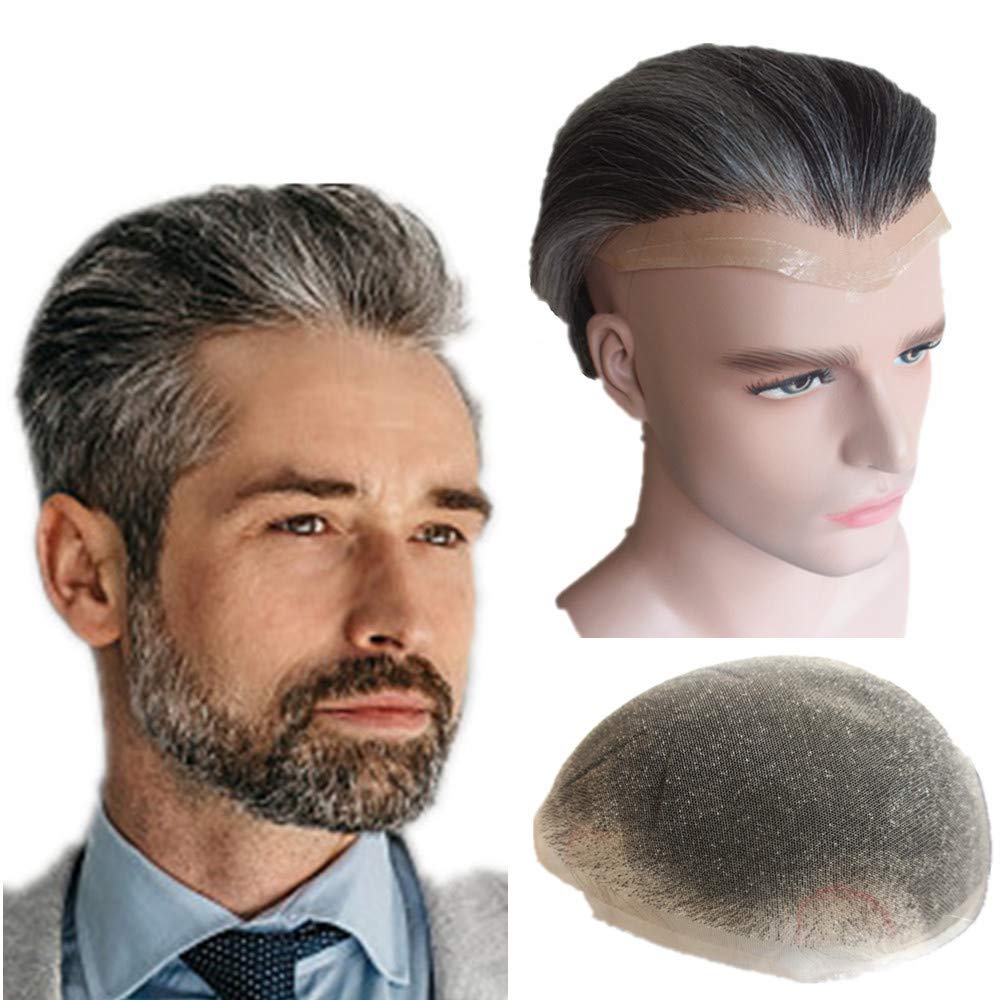
- 6. Toupees and Custom Hair Systems: Comprehensive Coverage, Restored Identity: Primarily associated with men but also used by women with extensive hair loss, toupees and modern hair systems offer coverage for larger areas of baldness, often focusing on the top, front, and crown.
Choosing the Right Hairpiece for You: A Step-by-Step Guide
- Step 1: Assess Your Hair Loss and Needs: Identify the Pattern : Determine the extent and pattern of your hair loss (e.g., thinning crown, receding hairline, overall baldness).
- Step 2: Explore Hairpiece Options: Research Different Types : Learn about the various types of hairpieces, their features, and their suitability for your needs.
- Step 3: Consider Hair Quality and Construction: Synthetic Hair : Human hair offers a more natural look and feel, as well as greater styling versatility.
- Step 4: Determine Color and Style: Color Matching : Match the hairpiece color to your natural hair color for a seamless blend.
- Step 5: Ensure Proper Fit and Attachment: Accurate Measurements : Take accurate measurements of your head to ensure a comfortable and secure fit.
- Step 6: Maintenance and Care: Regular Cleaning : Clean the hairpiece regularly to remove dirt, oil, and product buildup.
Confidence and Non-Surgical Hair Replacement
Non-surgical hair replacement, including hairpieces, offers a compelling alternative to surgical options for restoring hair and confidence.

Styling Tips for Maximum Confidence
Once you’ve chosen your hairpiece, mastering the art of styling is key to maximizing your confidence.
- Basic Styling Techniques: Washing and Conditioning : Use gentle, sulfate-free shampoos and conditioners to clean and hydrate the hairpiece.
- Advanced Styling Tips: Heat Styling : Use heat-protectant products before using styling tools such as curling irons or straighteners.

Phuc Thien: Your Partner in Confidence
At Phuc Thien, we believe that everyone deserves to feel confident and beautiful.


Hairpieces vs. Surgical Hair Restoration
| Feature | Hairpieces (Non-Surgical) | Surgical Hair Restoration (e.g., FUT, FUE) |
| Procedure | No surgery required; hairpiece is attached with clips, adhesive, or tape. | Surgical procedure involving transplanting hair follicles from a donor area to the balding area. |
| Recovery Time | Immediate results with no recovery period. | Requires a recovery period; results are not immediate and can take several months to become visible. |
| Cost | Lower initial cost; ongoing maintenance expenses (cleaning, styling, replacement). | Higher upfront cost; may require multiple sessions; additional expenses for medications and follow-up appointments. |
| Risk | Minimal risk; potential for scalp irritation or allergic reactions to adhesives. | Risks associated with surgery, including infection, scarring, bleeding, and nerve damage. |
| Appearance | Natural appearance can be achieved with high-quality hairpieces; versatility in styling. | Results can vary depending on the surgeon’s skill and the individual’s hair characteristics; naturalness depends on the technique used. |
| Maintenance | Requires regular cleaning, styling, and occasional replacement. | Once transplanted, the hair is permanent but may require maintenance to manage thinning or continued hair loss. |
| Suitability | Suitable for all types of hair loss; ideal for those seeking immediate results. | Best suited for individuals with sufficient donor hair and realistic expectations about the results; may not be suitable for those with extensive hair loss. |
| Reversibility | Fully reversible; hairpiece can be removed at any time. | Generally considered permanent, although results can be modified with additional procedures. |
| Confidence Boost | Immediate boost in confidence due to the instant transformation. | Confidence boost can be gradual as results become visible; psychological benefits may be offset by the stress of surgery and recovery. |