

- 15/06/2025
- Posted by: phucthien
- Category: Blog
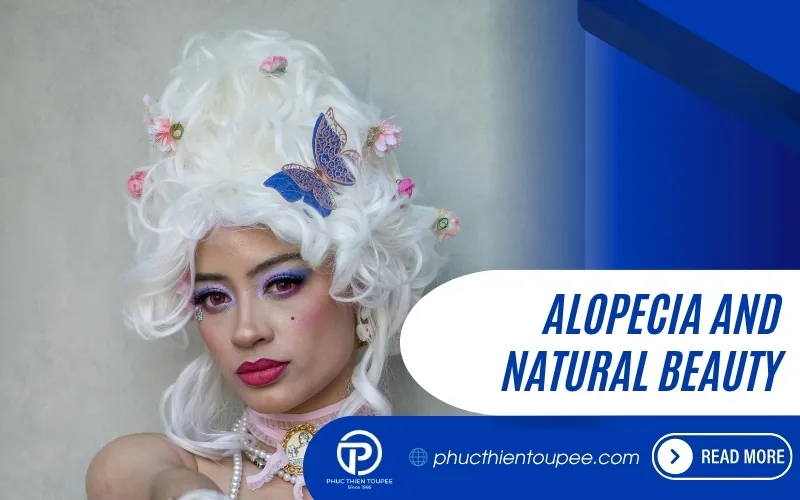
Alopecia and natural beauty can coexist harmoniously, empowering individuals to reclaim their confidence and express themselves authentically. Finding effective and natural solutions for hair loss associated with alopecia is a journey many embark on, and hairpieces offer a fantastic and immediate way to rediscover your personal style. This article explores six incredible hairpiece options, focusing on natural-looking solutions and self-care routines that promote well-being.
Ready to explore ways to embrace your beauty? Let’s delve into the world of hairpieces and natural approaches to managing alopecia. Throughout the journey, we’ll explore ways to address issues, such as baldness cures and manage thinning hair.
Understanding Alopecia and Its Impact on Beauty
Alopecia, a condition characterized by hair loss, can significantly affect self-esteem and perceived beauty. While there’s no one-size-fits-all cure, understanding the condition and exploring various solutions can empower individuals to take control and embrace their natural beauty.
- Alopecia Areata: An autoimmune condition where the immune system attacks hair follicles, leading to patchy hair loss. According to the National Alopecia Areata Foundation (NAAF), it affects approximately 6.8 million people in the US.
- Androgenetic Alopecia: Also known as male-pattern baldness or female-pattern baldness, this is a genetic condition causing gradual hair thinning.
- Alopecia Totalis: Complete loss of hair on the scalp.
- Alopecia Universalis: Complete loss of hair on the entire body.
The emotional impact of alopecia should not be underestimated. Studies have shown that individuals with alopecia often experience anxiety, depression, and social isolation. A 2018 study published in the Journal of the American Academy of Dermatology found that alopecia areata significantly impacts quality of life.
✂️ Be unique — create your custom-made toupee today!
Statistics on Alopecia in the US
| Type of Alopecia | Estimated Prevalence in US |
| Alopecia Areata | 6.8 million |
| Androgenetic Alopecia (Men) | 50% of men over 50 |
| Androgenetic Alopecia (Women) | 25% of women over 50 |

Embrace your authentic self: Boost Alopecia and Confidence and improve Alopecia and Self-Esteem
Hairpieces: A Natural Beauty Solution for Alopecia
Hairpieces, also known as wigs or toppers, provide an immediate and versatile solution for hair loss. They can restore confidence and allow individuals to experiment with different styles and colors without damaging their natural hair. When it comes to alopecia and natural beauty, hairpieces can be a game-changer. Phuc Thien understands this deeply and dedicates our expertise to providing realistic, comfortable, and confidence-boosting options.
Benefits of Using Hairpieces
- Instant Transformation: Hairpieces provide immediate coverage for bald spots or thinning hair.
- Versatility: Experiment with different styles, colors, and lengths without altering your natural hair.
- Boost Confidence: Restore a sense of normalcy and self-esteem.
- Protection: Protect your scalp from sun exposure.
- Non-Surgical: A non-invasive solution compared to hair transplants.
6 Natural-Looking Hairpieces for Alopecia
Phuc Thien offers a diverse range of hairpieces designed to blend seamlessly with your natural hairline and complexion. Here are six excellent options:
1. Monofilament Top Hairpieces: The Scalp Illusion Master
What It Is: Monofilament (or “mono-top”) hairpieces feature a cap construction where individual hairs are meticulously hand-tied onto a fine, sheer mesh material, typically nylon or polyester. This mesh section is usually located at the top or crown area.
How It Achieves Natural Look:
- Scalp Appearance: The sheer mesh allows your own scalp color to show through, creating a highly realistic illusion of hair growing directly from your head. This is a significant advantage for achieving undetectable results.
- Natural Movement: Because each hair is individually tied, it can move freely in any direction, mimicking the natural sway and bounce of biological hair.
- Parting Versatility: You can part the hair anywhere within the monofilament section (left, right, center) just like you would your own hair, offering fantastic styling flexibility.
Best Suited For:
- Individuals with sensitive scalps due to the soft material.
- Those experiencing hair loss primarily at the top or crown (like certain patterns of alopecia areata or androgenetic alopecia).
- Anyone prioritizing the most realistic scalp appearance and parting flexibility.
- Suitable for partial or total hair loss depending on the overall wig construction (e.g., a full wig with a mono-top).
Considerations:
- Hand-tying makes these slightly more expensive than basic cap constructions.
- The mesh requires gentle handling.
Phuc Thien Expertise: Phuc Thien often recommends mono-top options for clients seeking maximum realism and comfort, particularly those with sensitive skin resulting from alopecia treatments.
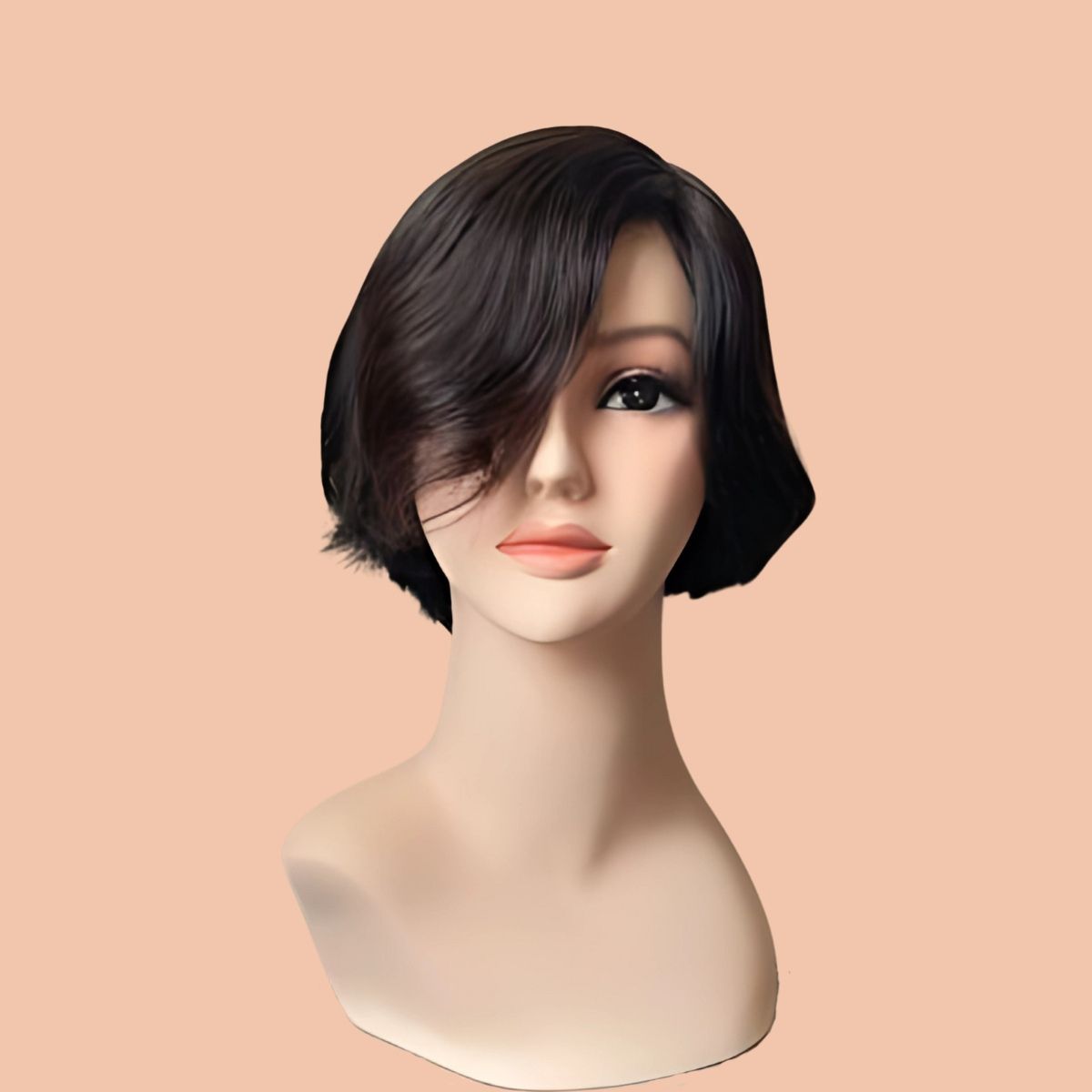
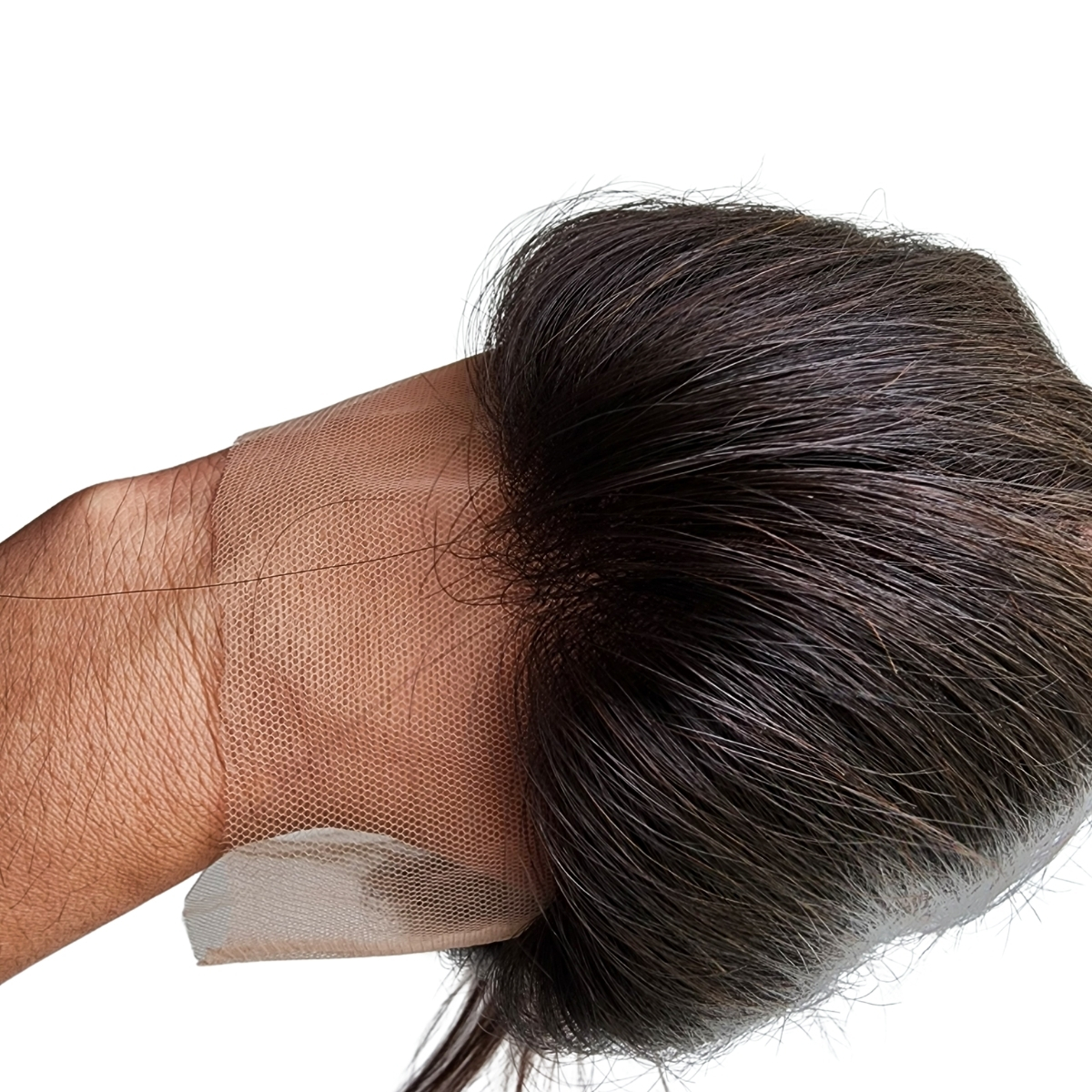
2. Lace Front Wigs: The Undetectable Hairline Hero
What It Is: Lace front wigs incorporate a panel of delicate, sheer lace material along the front hairline. Hairs are individually hand-tied into this lace section. The lace extends temple-to-temple or sometimes ear-to-ear.
How It Achieves Natural Look:
- Seamless Hairline: The fine lace virtually disappears against the skin when applied correctly (often with a bit of adhesive or sometimes built-in grips). This creates the illusion that the hair is growing directly from your forehead, crucial for styles worn off the face.
- Graduated Density: High-quality lace fronts often feature slightly less dense hair right at the hairline, mimicking natural growth patterns.
Best Suited For:
- Individuals concerned about a natural-looking front hairline, especially if they like to wear hair pulled back or tucked behind the ears.
- Those with receding hairlines or hair loss affecting the front portion of the scalp.
- Alopecia areata affecting the hairline, or androgenetic alopecia.
Considerations:
- The lace is delicate and requires careful handling to avoid tearing.
- May require trimming the excess lace for a custom fit initially.
- Some find adhesives necessary for the most secure, invisible blend, though many modern designs offer glueless options.
Phuc Thien Expertise: We guide clients on proper lace trimming and application techniques to ensure a flawless, undetectable hairline blend, a hallmark of our premium lace front selections.
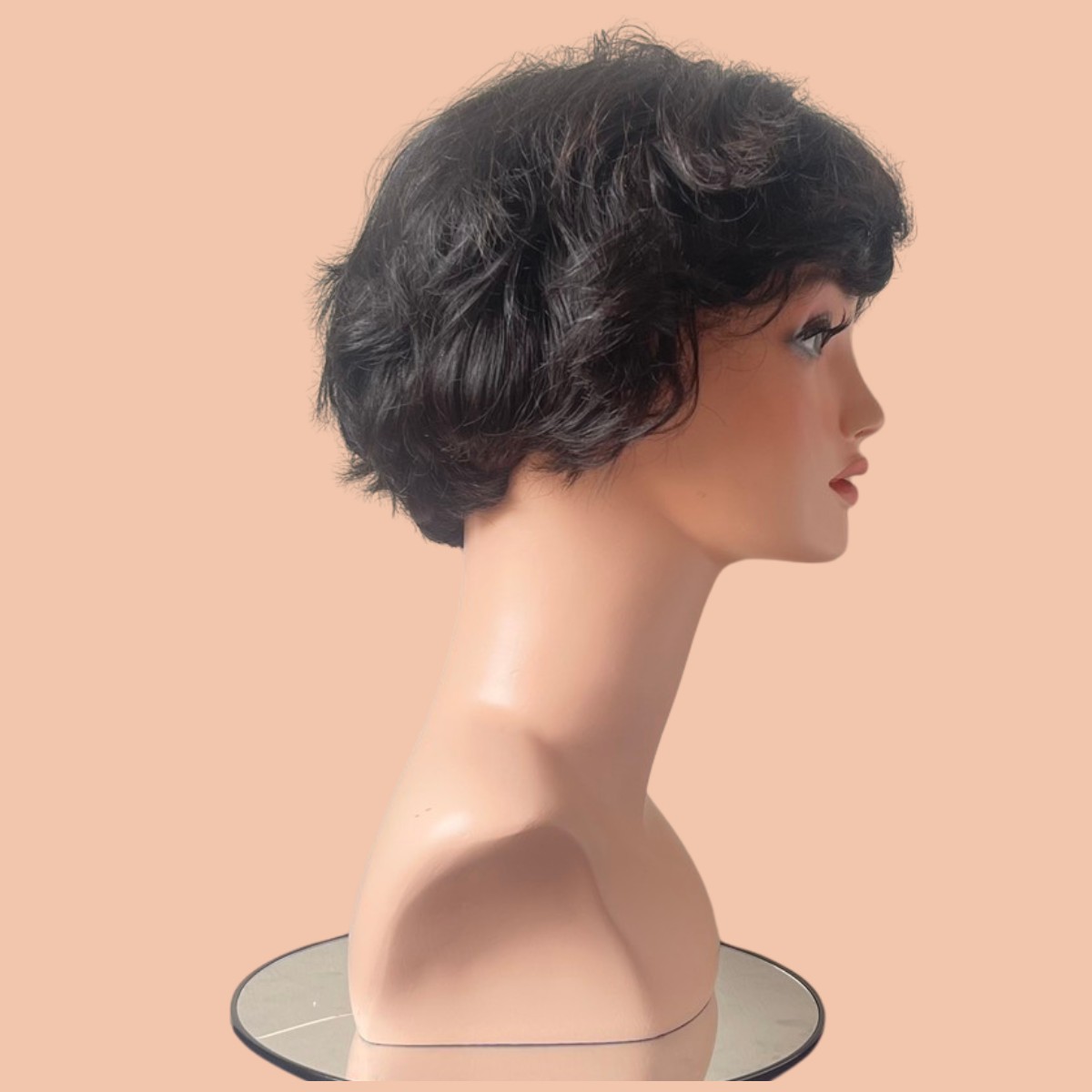
3. Human Hair Wigs: The Ultimate in Natural Feel and Styling
What It Is: These wigs are crafted from 100% real human hair. Quality can vary significantly (e.g., Remy hair, where cuticles are intact and aligned, versus non-Remy).
How It Achieves Natural Look:
- Texture and Sheen: Human hair possesses a natural texture, luster, and movement that is very difficult to replicate perfectly with synthetic fibers. It reflects light naturally.
- Styling Versatility: Just like your own hair, it can be heat-styled (curled, straightened), colored, cut, and permed by a professional experienced with wigs. This allows for ultimate personalization.
- Feel: The tactile sensation of human hair is unmatched.
Best Suited For:
- Individuals seeking the most natural look and feel possible.
- Those who enjoy changing their hairstyle frequently using heat tools.
- People willing to invest more time and budget into maintenance and styling.
- Suitable for all types of alopecia, offering full coverage and styling freedom.
Considerations:
- Higher price point compared to synthetic options.
- Requires more maintenance (washing, conditioning, styling) similar to natural hair.
- Can react to weather (e.g., frizz in humidity) like natural hair.
- Color can fade over time with sun exposure.
Phuc Thien Expertise: Phuc Thien sources high-grade human hair, often Remy quality, ensuring longevity and a superior natural appearance. We provide detailed care instructions tailored to human hair wigs.
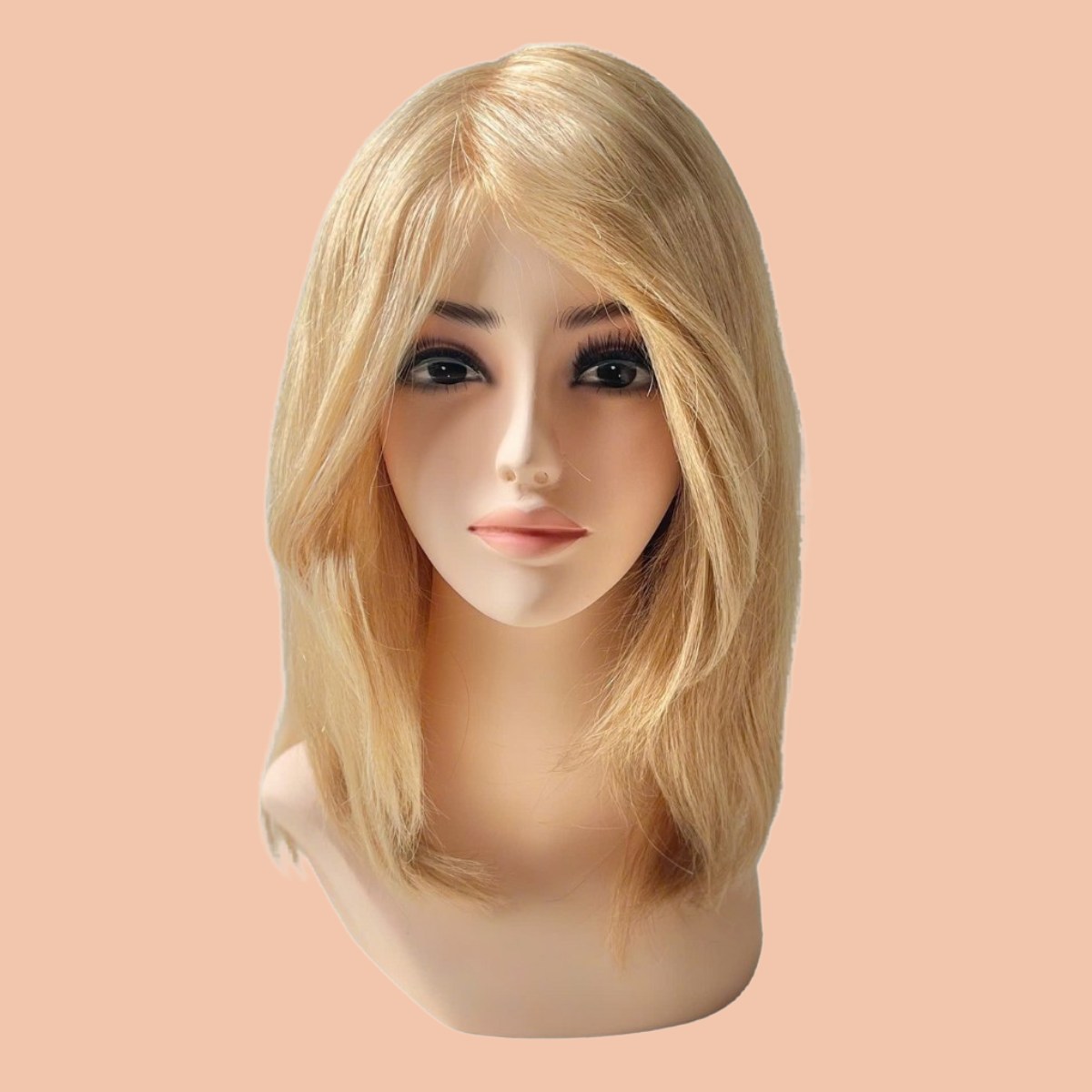
4. Synthetic Hair Wigs: Convenience and Style Retention
What It Is: Made from manufactured fibers (e.g., Kanekalon, Toyokalon) designed to mimic human hair. Technology has advanced significantly, making high-quality synthetics look remarkably realistic.
How It Achieves Natural Look:
- Improved Fibers: Modern synthetic fibers have better texture, less artificial shine, and come in a vast array of natural colors and blends.
- Style Memory: Synthetic wigs hold their style (e.g., curls, waves, straight) even after washing. This is a major convenience factor.
Best Suited For:
- Individuals seeking a lower-maintenance, ready-to-wear option.
- Those on a tighter budget.
- People who prefer not to style their hair frequently.
- Good for temporary use or trying out different styles.
- Heat-Friendly Synthetics: A sub-category allows for low-heat styling, offering more versatility than traditional synthetics.
Considerations:
- Cannot typically be colored or chemically treated.
- Traditional synthetics can be damaged by heat (hair dryers, curling irons), though heat-friendly options exist.
- Lifespan is generally shorter than human hair wigs with daily wear.
- Can sometimes have an unnatural shine (though higher quality ones minimize this).
- Friction can cause frizzing over time (e.g., rubbing against collars).
Phuc Thien Expertise: Phuc Thien selects premium synthetic fibers that offer a natural look and feel, advising clients on the benefits of style retention and ease of care, particularly for busy lifestyles.
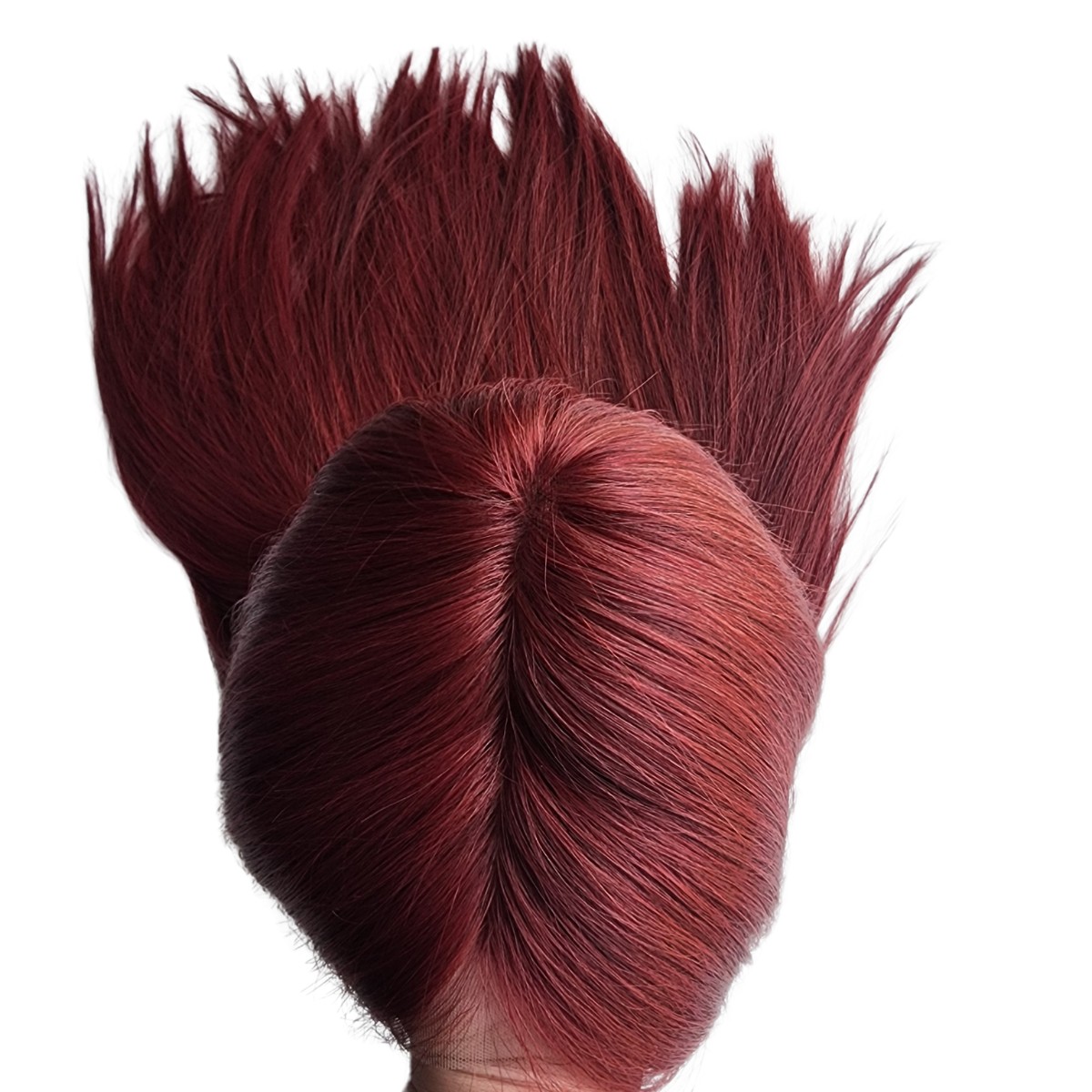
5. Toppers and Hair Integration Systems: Targeted Volume and Coverage
What It Is: These are not full wigs but smaller hairpieces designed to be worn on top of the head, blending with existing biological hair. They come in various base sizes, shapes, and attachment methods (clips, combs, sometimes tape or bonding). Integration systems have larger openings in the base to pull one’s own hair through.
How It Achieves Natural Look:
- Blending: Designed to seamlessly integrate with your own hair’s color and texture, adding volume or coverage only where needed (e.g., thinning part line, crown).
- Partial Coverage: Ideal for those who still have some hair they want to incorporate.
Best Suited For:
- Early to mid-stages of androgenetic alopecia (thinning crown or part).
- Alopecia areata with specific patchy loss on top.
- Individuals seeking added volume rather than full coverage.
- Those who prefer not to wear a full wig.
Considerations:
- Requires existing hair to attach to and blend with.
- Color and texture matching is crucial for a seamless blend.
- Attachment methods (like clips) need to be comfortable and secure without damaging existing hair.
Phuc Thien Expertise: Phuc Thien excels at custom-designing toppers and integration pieces, ensuring the base size, hair density, color, and texture perfectly match the client’s needs for an invisible blend.
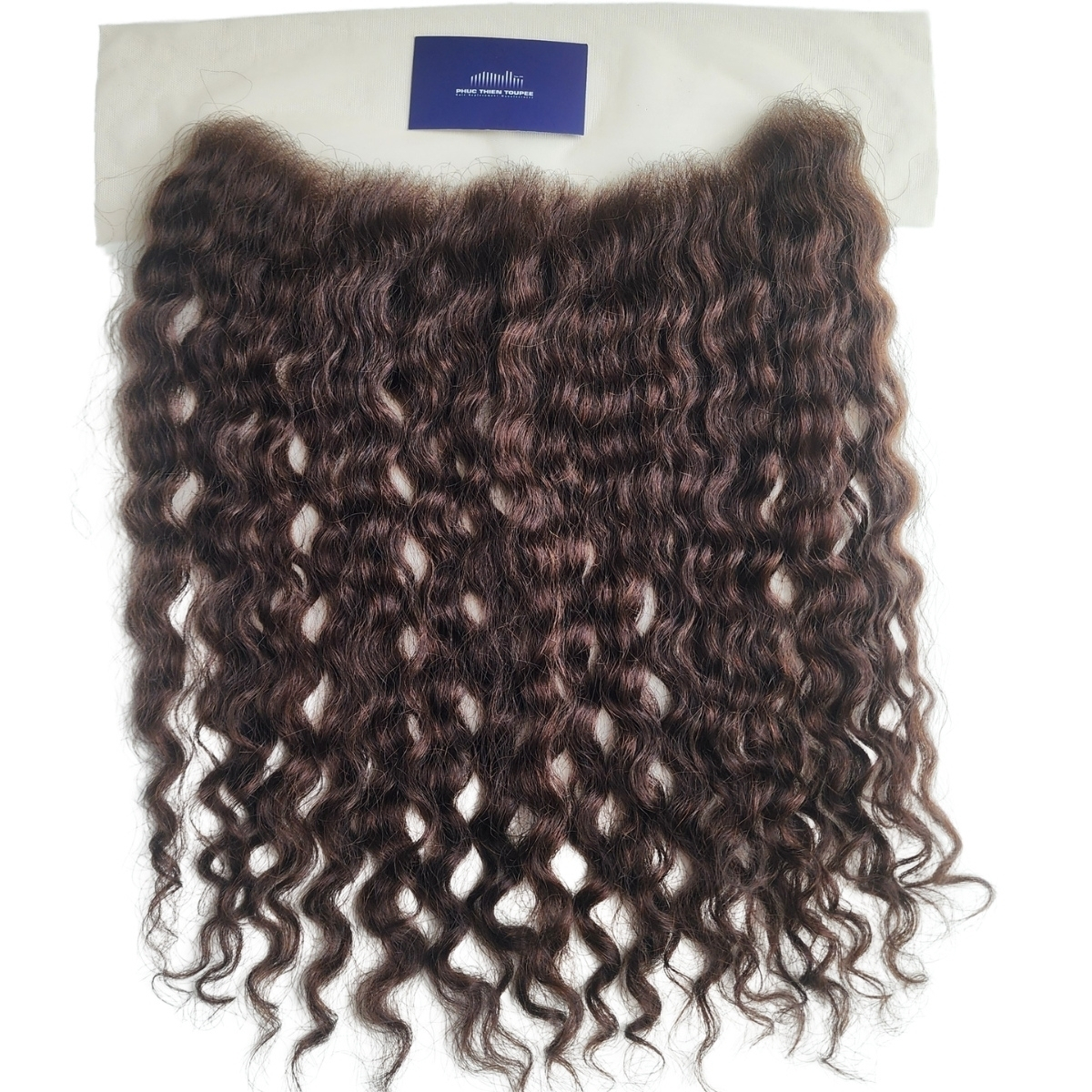
6. Hand-Tied Caps: Supreme Comfort and Movement
What It Is: While often combined with features like mono-tops or lace fronts, a fully hand-tied cap means every single hair on the entire cap is individually tied to a soft base material by hand.
How It Achieves Natural Look:
- Ultimate Natural Movement: Each hair moves independently, creating the most natural flow and simulating hair growth over the entire head.
- Softness and Comfort: The absence of wefts (machine-sewn rows of hair) makes these caps incredibly soft, lightweight, and comfortable against the scalp – ideal for sensitivity.
- Styling Versatility: Hair can be parted and styled in any direction across the entire cap.
Best Suited For:
- Individuals with total hair loss (alopecia totalis) or very sensitive scalps.
- Those prioritizing maximum comfort and the most natural hair movement.
- Clients seeking the highest quality construction and willing to invest accordingly.
Considerations:
- Most expensive cap construction due to the intensive labor involved.
- Requires gentle handling.
Phuc Thien Expertise: Our premium custom hair systems often feature fully hand-tied caps, reflecting Phuc Thien’s commitment to unparalleled comfort and realism for clients with extensive hair loss or sensitivity.
Choosing the Right Hairpiece: A Step-by-Step Guide
Selecting the perfect hairpiece can feel overwhelming. Phuc Thien simplifies the process with expert guidance and personalized consultations. Here’s a step-by-step guide to help you find the ideal hairpiece:
Step 1: Assess Your Hair Loss Pattern and Coverage Needs
- Identify the Area: Look closely in a mirror, perhaps using a hand mirror for the back and top. Where is the hair loss most prominent? Is it patchy (alopecia areata), diffuse thinning all over, concentrated at the crown or temples (androgenetic alopecia), a receding hairline, or complete loss (alopecia totalis/universalis)? Take photos if it helps.
- Determine Required Coverage:
- Targeted Loss (Crown/Part): A topper or integration piece might be perfect.
- Receding Hairline/Frontal Loss: A lace front wig provides the most natural solution here.
- Significant Thinning/Patchy Loss/Total Loss: A full wig (mono-top, lace front, hand-tied, or standard cap) will offer complete coverage.
- Consider Existing Hair: If you have existing hair you want to blend, a topper or integration system is suitable. If you prefer full coverage or have very sparse hair, a wig is likely the better choice.
🔍 Looking for a specific size, base, or hair color? Order a fully personalized toupee now!
Step 2: Evaluate Your Lifestyle and Activity Level
- Daily Routine: Are you highly active, spending lots of time outdoors, or working in a physically demanding job? Or do you have a more sedentary office job or home life?
- Active: Prioritize breathability (monofilament, hand-tied caps) and secure attachment (consider wigs with adjustable straps, silicone grips, or the option for temporary adhesives). Synthetic wigs might be easier for quick ‘put on and go’ after workouts.
- Sedentary: You might have more flexibility in cap construction, perhaps prioritizing the utmost realism of a human hair wig if styling time isn’t a constraint.
- Maintenance Tolerance: How much time are you realistically willing to spend on washing, conditioning, and styling?
- Low Maintenance: Synthetic wigs are ideal, retaining their style after washing.
- Willing to Style: Human hair wigs offer versatility but require regular styling effort, similar to biological hair.
- Environment: Do you live in a hot, humid climate? Breathable caps (monofilament, lace, hand-tied) are crucial for comfort. Human hair might react to humidity (frizz), while synthetics generally won’t.
Step 3: Define Your Budget Realistically
- Understand Price Factors: Hairpiece costs vary widely based on:
- Hair Type: Human hair (especially Remy) is more expensive than synthetic.
- Cap Construction: Hand-tied > Monofilament/Lace Front > Basic Wefted Caps.
- Hair Length & Density: Longer and thicker pieces cost more.
- Brand & Customization: Stock pieces are generally less expensive than custom-made ones.
- Set a Range: Determine what you are comfortable investing. Remember this is an investment in your confidence and well-being. Prices can range from around $120 for a basic synthetic wig to well over $1500+ for a high-end, custom human hair piece. Phuc Thien offers options across various price points.
- Consider Longevity: While human hair costs more upfront, it can last significantly longer than synthetic hair with proper care (often 1 year+ vs. 4-6 months for synthetics with daily wear), potentially offering better long-term value.

Step 4: Measure Your Head Accurately (Crucial for Wigs)
- Why Measure? An ill-fitting wig can be uncomfortable, look unnatural, and feel insecure. Most manufacturers offer Average, Petite, and Large sizes, but measurements ensure the best fit.
- Tools: Use a flexible cloth measuring tape.
- Key Measurements:
- Circumference: Start at your front hairline, go above your ears, around the back at the nape of your neck, above the other ear, and back to the starting point. (Average is typically 21.5 – 22.5 inches).
- Front to Nape: Measure from your front hairline, over the top of your head, down to the bony bump at the nape of your neck.
- Ear to Ear (Across Forehead): Measure from just above one ear, along your front hairline, to just above the other ear.
- Ear to Ear (Over Top): Measure from the top point of one ear, directly across the top of your head, to the top point of the other ear.
- Temple to Temple (Around Back): Measure from one temple, around the back of your head, to the other temple.
- Nape Width: Measure the width of your hairline across the nape of the neck.
- Phuc Thien Assistance: During a consultation, Phuc Thien experts will take precise measurements or guide you on how to do it accurately at home. We can also advise if a stock size or a custom fit is necessary.
Step 5: Select Hair Type, Color, Texture, and Density
- Hair Type (Recap): Human Hair (most natural, versatile styling, higher cost/maintenance) vs. Synthetic (convenient, budget-friendly, less versatile/durable) vs. Heat-Friendly Synthetic (some styling, moderate cost/durability).
- Color Matching:
- Goal: Match your natural hair color (if blending with a topper) or choose a color that complements your skin tone.
- Tips: Look at colors in natural daylight. Consider sending a hair sample for perfect matching. Online color charts can be helpful but may vary depending on screen settings. Phuc Thien offers color rings for accurate selection. Don’t be afraid to try slightly different shades – sometimes a subtle change can be refreshing.
- Texture: Match the texture (straight, wavy, curly) to your desired look or your existing hair if using a topper. Human hair offers various natural textures.
- Density: This refers to how much hair is on the cap. Aim for a natural density that isn’t overly thick or too thin for your age and facial structure. Lighter densities often look more natural, especially on petite frames or older individuals. Phuc Thien can customize density.
Step 6: Prioritize Cap Construction Features
- Beyond the Basics: Think about specific features based on earlier considerations:
- Need Scalp Realism/Parting? Monofilament Top.
- Need Undetectable Front Hairline? Lace Front.
- Need Maximum Comfort/Natural Movement? Hand-Tied Cap.
- Budget-Conscious/Less Concerned with Parting? Basic/Wefted Cap (often cooler due to open wefts).
- Attachment Security: Look for adjustable straps, silicone tabs, or flexible ear tabs for a secure fit. Consider if you might use wig glue or tape (ensure compatibility with cap materials).
Step 7: Schedule a Professional Consultation (Highly Recommended)
- The Phuc Thien Advantage: While online research is helpful, nothing beats personalized expert advice. During a Phuc Thien consultation (in-person or virtual):
- We assess your specific hair loss and scalp condition.
- We discuss your lifestyle, preferences, and budget in detail.
- We take accurate measurements.
- We show you different cap constructions and hair types.
- We assist with precise color and texture matching.
- We answer all your questions and address any concerns.
- We provide fitting and styling demonstrations.
- We guide you on proper care and maintenance.
- Outcome: You leave feeling confident and informed, having chosen a hairpiece that truly meets your needs and makes you feel beautiful. This step significantly reduces the chance of purchasing an unsuitable product.

Natural Remedies and Hair Care Routines for Alopecia
While hairpieces provide an immediate solution, incorporating natural remedies and a gentle hair care routine can promote scalp health and potentially stimulate hair growth.
Natural Remedies
- Rosemary Oil: Studies have shown that rosemary oil can improve hair growth by stimulating circulation in the scalp. A 2015 study published in JAMA Dermatology found that rosemary oil was as effective as minoxidil (Rogaine) in treating androgenetic alopecia.
- How to Use: Mix a few drops of rosemary oil with a carrier oil, such as coconut or jojoba oil, and massage into the scalp for 5-10 minutes daily.
- Onion Juice: Onion juice contains sulfur, which can help improve blood circulation and promote hair growth. A 2002 study published in the Journal of Dermatology found that applying onion juice to the scalp resulted in significant hair regrowth in individuals with alopecia areata.
- How to Use: Extract juice from an onion and apply it to the scalp for 30 minutes before washing it off.
- Aloe Vera: Aloe vera has anti-inflammatory properties that can soothe the scalp and promote healthy hair growth.
- How to Use: Apply fresh aloe vera gel to the scalp and leave it on for 30 minutes before rinsing.
- Ginseng: Ginseng can stimulate hair follicles and promote hair growth. A 2011 study published in the Journal of Medicinal Food found that ginseng extract promoted hair growth in mice.
- How to Use: Take ginseng supplements or use hair products containing ginseng extract.
- Probiotics: Emerging research suggests that probiotics may play a role in reducing inflammation and promoting hair growth.
- How to Use: Consume probiotic-rich foods like yogurt and kefir or take probiotic supplements.
✨ A toupee shouldn’t just hide hair loss — make it a style statement!
Gentle Hair Care Routine
- Use a Sulfate-Free Shampoo: Sulfates can strip the hair of its natural oils, leading to dryness and breakage. Choose a gentle, sulfate-free shampoo.
- Condition Regularly: Conditioning helps to hydrate and nourish the hair, preventing breakage.
- Avoid Heat Styling: Excessive heat can damage the hair and scalp. Minimize the use of heat styling tools.
- Protect Your Scalp from the Sun: Wear a hat or scarf to protect your scalp from sun exposure.
- Eat a Balanced Diet: A diet rich in vitamins, minerals, and protein is essential for healthy hair growth.
Incorporating Natural Beauty Products
Complement your hairpiece and natural remedies with natural beauty products that promote scalp health and enhance your overall appearance.
Gentle Scalp Cleansers and Shampoos
- Why Important: Even under a hairpiece, your scalp produces oils and sheds skin cells. Keeping it clean prevents irritation, buildup, and potential follicle blockage.
- What to Look For:
- Sulfate-Free: Sulfates (like SLS/SLES) can be harsh, stripping natural oils and potentially irritating sensitive scalps.
- pH-Balanced: A scalp-friendly pH (around 4.5-5.5) helps maintain the natural protective barrier.
- Soothing Ingredients: Look for ingredients like aloe vera, chamomile, calendula, or oatmeal extract if you experience sensitivity or itching.
- Anti-Inflammatory Ingredients: Green tea extract, licorice root, or allantoin can help calm inflammation associated with some types of alopecia.
- Usage: Gently cleanse your scalp regularly (frequency depends on oiliness and activity level) when you remove your hairpiece. Ensure thorough rinsing.
Nourishing Scalp Serums and Treatments
- Purpose: To deliver concentrated ingredients directly to the scalp to address specific concerns like dryness, irritation, or promoting a healthy environment for follicles.
- Beneficial Ingredients:
- Hydrators: Hyaluronic acid, glycerin, aloe vera.
- Stimulants (Circulation/Follicle Support): Rosemary oil extract, peppermint oil (diluted), caffeine, niacinamide (Vitamin B3), peptides.
- Anti-Inflammatories/Antioxidants: Green tea extract, Vitamin E, panthenol (Pro-Vitamin B5).
- Application: Apply a few drops directly to the scalp (especially in areas of concern) after cleansing and gently massage in. Use as directed, often daily or several times a week.
- Patch Test: Always perform a patch test on a small area of skin before applying any new serum widely, especially if you have sensitive skin.
Essential Oil Blends for Scalp Massage
- Potential Benefits: Scalp massage itself improves circulation. Certain essential oils may offer additional benefits, though scientific evidence varies and is stronger for some (like rosemary) than others.
- Key Oils (Always Dilute!):
- For Growth Support: Rosemary, Cedarwood, Thyme, Peppermint.
- For Soothing/Calming: Lavender, Chamomile.
- For Cleansing/Anti-Dandruff: Tea Tree.
- Carrier Oils (for Dilution): Use lightweight oils like Jojoba, Grapeseed, Argan, or Fractionated Coconut Oil. A general guideline is 2-3 drops of essential oil per teaspoon of carrier oil.
- How to Use: Mix your diluted blend. Apply sparingly to fingertips and massage gently into the scalp using circular motions for 5-10 minutes. Can be done before washing or as an overnight treatment (protect pillowcases).
- Caution: Essential oils are potent. Always dilute properly. Avoid contact with eyes. Discontinue use if irritation occurs. Consult a healthcare provider if pregnant, nursing, or have medical conditions before using essential oils. Never ingest essential oils.
Hydrating Hair Masks (for Biological Hair)
- Purpose: If you have remaining biological hair, keeping it hydrated and strong prevents breakage, especially where it might interact with the hairpiece (e.g., at the edges).
- Natural Ingredients:
- Moisture: Shea butter, coconut oil, argan oil, honey, avocado, banana.
- Strength: Hydrolyzed proteins (rice, wheat, quinoa – use sparingly if hair feels brittle), keratin amino acids.
- DIY Example (Simple Hydrating Mask): Mash half an avocado with 1 tablespoon of honey and 1 tablespoon of olive or argan oil. Apply to damp biological hair (avoiding the scalp if oily), leave on for 20-30 minutes, then rinse thoroughly and cleanse as usual.
- Frequency: Use once a week or every two weeks, depending on hair’s needs.
Scalp-Friendly Makeup and Sun Protection
- Concealing Scalp Show-Through: If needed when not wearing a hairpiece, or sometimes even at the parting of a topper, scalp concealers (powders, sprays, crayons) can camouflage thinning areas. Choose non-comedogenic options that wash out easily.
- Sun Protection: Exposed scalp areas (if you don’t wear your piece constantly, or have total loss) are highly susceptible to sunburn and long-term sun damage.
- Use SPF: Apply a broad-spectrum sunscreen (SPF 30 or higher) specifically designed for the face or sensitive skin to any exposed scalp areas. Mineral sunscreens (zinc oxide, titanium dioxide) are often gentler.
- Physical Barriers: Hats and scarves offer excellent protection when not wearing your hairpiece outdoors.
Gentle Skincare Routine
- Cleanse: Use a mild facial cleanser around the hairline where the hairpiece sits to prevent pore clogging from sweat, makeup, or adhesives.
- Moisturize: Keep the skin around the hairline hydrated with a gentle, non-comedogenic moisturizer.
Phuc Thien Recommendation: We always advise clients to prioritize scalp health. Using gentle, natural products complements the experience of wearing a hairpiece, ensuring comfort and supporting the condition of your skin and any remaining hair.
🎨 Your style, your hair — we make it exactly how you want.
Maintaining Your Hairpiece for Long-Lasting Beauty
Proper care and maintenance are essential to extend the lifespan of your hairpiece and keep it looking its best.
Washing and Conditioning: The Foundation of Care
General Principles:
- Frequency: Wash only when needed (typically every 7-14 wears, depending on lifestyle, product use, and environment). Over-washing shortens lifespan.
- Water Temperature: Always use cool or lukewarm water. Hot water can damage fibers (especially synthetic) and loosen knots.
- Gentle Handling: Never rub, twist, or wring the hairpiece.
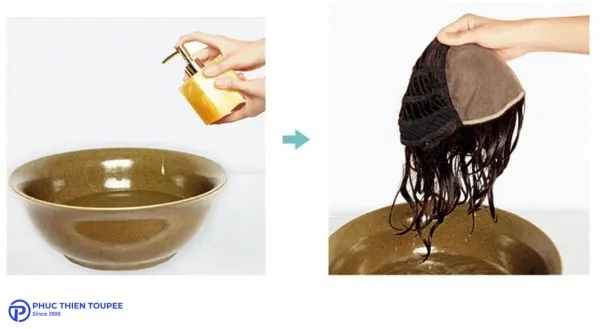
Synthetic Hairpiece Washing:
- Detangle: Gently remove tangles using a wide-tooth comb or fingers, starting from the ends and working up.
- Soak: Fill a basin with cool water and add a capful of shampoo specifically designed for synthetic wigs. Mix gently.
- Immerse: Submerge the wig completely and let it soak for 5-10 minutes. Do not agitate vigorously.
- Rinse: Drain the soapy water and refill the basin with clean, cool water. Gently swish the wig to rinse, repeating until all shampoo is removed.
- Condition (Optional but Recommended): Apply a synthetic wig conditioning spray lightly, or use a rinse-out conditioner designed for synthetics if needed, following product instructions (often applied mid-lengths to ends, avoiding the cap). Rinse if required.
Human Hair Hairpiece Washing:
- Detangle: Gently detangle dry hair with a wide-tooth comb or fingers, ends to roots.
- Wet: Hold the hairpiece under cool running water, allowing water to flow in the direction of the hair (top to bottom) to prevent tangling.
- Shampoo: Apply a small amount of sulfate-free shampoo (preferably for color-treated hair or wigs) to your palm, emulsify, and gently smooth it down the hair from top to bottom. Avoid scrubbing the cap.
- Rinse: Rinse thoroughly under cool running water until all shampoo is gone, keeping hair flowing downwards.
- Condition: Apply conditioner (wig-specific or for treated hair) from mid-lengths to ends, avoiding the base/knots (conditioner can loosen them). Leave on for 3-5 minutes (or as directed).
- Rinse Again: Rinse thoroughly under cool running water, ensuring no residue remains.
Drying and Styling: Preserving Shape and Fiber
Synthetic Hairpiece Drying & Styling:
- Remove Excess Water: Gently squeeze out excess water (do not wring). Place the wig flat on a towel and blot gently.
- Air Dry: Place the wig on a folding wig stand or styrofoam head. Allow it to air dry completely at room temperature, away from direct heat or sunlight. Never use a hairdryer on traditional synthetics.
- Style: Once dry, synthetic wigs typically snap back to their pre-set style. Gently comb or finger-style as needed. Use wig spray specifically for synthetics to add shine or manage flyaways.
- Heat-Friendly Synthetics: If you have a heat-friendly type, you can use low heat settings (usually below 280-350°F / 140-180°C – check manufacturer guidelines) for styling. Always use a heat protectant spray designed for synthetic fibers. Style infrequently to prolong lifespan.
Human Hair Hairpiece Drying & Styling:
- Remove Excess Water: Gently squeeze and blot with a towel, same as synthetic.
- Air Dry (Partial): Place on a wig stand and allow to air dry partially (about 60-70% dry is ideal before heat styling).
- Apply Products: Apply a leave-in conditioner, heat protectant spray, or styling products (mousse, serum) as desired.
- Styling:
- Blow Drying: Use a low to medium heat setting with a nozzle, directing airflow downwards from root to tip. Use a wig brush or appropriate round brush.
- Heat Tools: Use curling irons, flat irons, or rollers on medium heat settings. Treat it like fine, processed human hair – avoid excessive heat.
- Styling Products: Use professional-quality styling products sparingly.

Proper Storage: Protecting Your Investment
- Wig Stand: The best storage method is on a wig stand (folding or styrofoam head). This helps maintain the cap shape and style and allows air circulation.
- Location: Store in a cool, dry place away from direct sunlight (which can fade color), excessive heat (vents, radiators), and strong odors.
- Covering: If storing for extended periods, loosely cover with a light scarf or place it in a wig box or satin bag to protect from dust. Ensure it’s completely dry before storing.
- Travel: Use a wig box or turn the wig inside out and place it in a silk or satin bag inside your luggage to minimize friction and tangling.
Detangling Techniques: Preventing Damage
- When: Detangle before washing, before styling, and after wearing.
- Tools: Use fingers or a wide-tooth comb specifically designed for wigs. Avoid standard brushes with balls on the tips, which can snag.
- Method: Start detangling from the ends of the hair and gently work your way up towards the roots. Never force the comb through knots.
- Products: Use a detangling spray (specific to synthetic or human hair) if needed to ease the process.
Professional Maintenance and Repair
- Deep Conditioning (Human Hair): Periodically (every few months), consider a deep conditioning treatment for human hair wigs to restore moisture and shine.
- Revitalizing (Synthetic): Use revitalizing sprays designed for synthetic fibers to reduce frizz and restore luster as needed.
- Phuc Thien Services: For issues like tears in lace or monofilament, significant shedding, color restoration, or re-styling, professional services are invaluable. Phuc Thien offers expert repair and refurbishment services to extend the life of your hairpiece, helping you maintain that natural beauty for longer. Contact us to learn more about maintenance options.
By following these detailed maintenance steps, you can ensure your Phuc Thien hairpiece remains a beautiful, confidence-boosting part of your alopecia and natural beauty journey for as long as possible.
The Emotional and Psychological Benefits of Hairpieces
Hairpieces offer more than just a cosmetic solution; they can significantly impact self-esteem, confidence, and overall well-being.
Restoring Confidence
Hair loss can be a deeply emotional experience, leading to feelings of anxiety, depression, and social isolation. Hairpieces can restore a sense of normalcy and allow individuals to feel more comfortable and confident in their appearance.
Enhancing Self-Esteem
When you feel good about your appearance, it can positively impact your self-esteem. Hairpieces can help you feel more attractive and confident, boosting your overall sense of self-worth.
Improving Social Interactions
Hairpieces can help you feel more comfortable and confident in social situations, allowing you to engage more fully in life.
Empowering Self-Expression
Hairpieces offer a versatile way to express your personal style and experiment with different looks. Whether you want to try a new color, length, or style, hairpieces allow you to explore your creativity without altering your natural hair.
Inner strength revealed: Navigate Alopecia Emotional Impact and find empowering Self-Care for Alopecia tips
Conclusion: Embracing Your Unique Beauty with Phuc Thien
Alopecia and natural beauty are not mutually exclusive. With the right hairpiece, natural remedies, and a positive mindset, you can embrace your unique beauty and live a confident and fulfilling life. Phuc Thien is committed to providing high-quality hairpieces and expert guidance to help you on your journey.
We invite you to explore our collection of natural-looking hairpieces and schedule a personalized consultation with our experts. Together, we can find the perfect solution to help you embrace your natural beauty and rediscover your confidence. We look forward to supporting you. Visit Phuc Thien today to find the perfect hairpiece for you and embark on a journey of self-discovery and empowerment. Let Phuc Thien help you redefine alopecia and natural beauty, one hairpiece at a time.
Phuc Thien Toupee Co., Ltd
Design Brand: Royal Hair Vietnam
Office Address:
🏢 Room A909, Decapella Building, 116 Luong Dinh Cua Street, An Khanh Ward, Thu Duc City, Ho Chi Minh City 700000, Vietnam
Factory Address:
🏭 No. 26/9, Street 57, Thuong Hamlet, Tan Thong Hoi Ward, Cu Chi District, Ho Chi Minh City 700000, Vietnam
Email: ✉️ phucthientoupeevn@gmail.com
Phone / WhatsApp: 📞 +84 933 901 196
Websites: 🌐 phucthientoupee.com – 🌐 royalhair.shop



